Unit 3 2.1 miss johannes
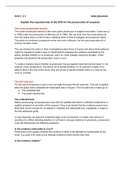
Explain the requirements of the CPS for the prosecution of suspects
The crown prosecution service
The crown prosecution service is the main public prosecutor in england and wales. It was set up
in 1896 under the prosecution of offences act in 1985. The cps took over the prosecuting role
from the police due to a risk of bias in allowing them to both investigate and prosecute cases.
The police do continue to prosecute some very minor offences, but the cps prosecutes all or
serious complex cases.
The cps advises the police in their investigations about lines of inquiry and about what evidence
might be required to build a case. It independently assesses the evidence submitted by the
police, decides whether or to prosecute, and if so, what charges should be brought. It then
prepares and presents the prosecution case in court.
To make a decision about whether to prosecute, the cps applies tests that are laid down in the
code for crown prosecutors. The test is not to decide whether or not a person is guilty of an
offence (that is the role of the court), they are simply to decide whether there is a case for the
court to consider.
The full code test
For the cps to prosecute a case it must normally first pass the full code test. This test is applied
after the police have completed all reasonable lines of inquiry. The full code test is made up of:
● The evidential test
● The public interest test
The evidential test
Before prosecuting, the prosecutors must first be satisfied that there is sufficient evidence for a
realistic prospect of conviction of the suspect. They must decide that the evidence would more
likely than not be enough for an objective, impartial and reasonable jury, magistrate or judge to
find the defendant guilty.
A case that does not pass the evidential stage must not proceed, no matter how serious or
sensitive it is. When deciding whether or not there is enough evidence to prosecute, prosecutors
must ask themselves the following questions:
Is the evidence admissible in court?
Prosecutors must assess whether the evidence is likely to be rejected as inadmissible by the
court. E.g could it be ruled out as hearsay evidence (more rumors than fact)
Is the evidence reliable?
Explain the requirements of the CPS for the prosecution of suspects
The crown prosecution service
The crown prosecution service is the main public prosecutor in england and wales. It was set up
in 1896 under the prosecution of offences act in 1985. The cps took over the prosecuting role
from the police due to a risk of bias in allowing them to both investigate and prosecute cases.
The police do continue to prosecute some very minor offences, but the cps prosecutes all or
serious complex cases.
The cps advises the police in their investigations about lines of inquiry and about what evidence
might be required to build a case. It independently assesses the evidence submitted by the
police, decides whether or to prosecute, and if so, what charges should be brought. It then
prepares and presents the prosecution case in court.
To make a decision about whether to prosecute, the cps applies tests that are laid down in the
code for crown prosecutors. The test is not to decide whether or not a person is guilty of an
offence (that is the role of the court), they are simply to decide whether there is a case for the
court to consider.
The full code test
For the cps to prosecute a case it must normally first pass the full code test. This test is applied
after the police have completed all reasonable lines of inquiry. The full code test is made up of:
● The evidential test
● The public interest test
The evidential test
Before prosecuting, the prosecutors must first be satisfied that there is sufficient evidence for a
realistic prospect of conviction of the suspect. They must decide that the evidence would more
likely than not be enough for an objective, impartial and reasonable jury, magistrate or judge to
find the defendant guilty.
A case that does not pass the evidential stage must not proceed, no matter how serious or
sensitive it is. When deciding whether or not there is enough evidence to prosecute, prosecutors
must ask themselves the following questions:
Is the evidence admissible in court?
Prosecutors must assess whether the evidence is likely to be rejected as inadmissible by the
court. E.g could it be ruled out as hearsay evidence (more rumors than fact)
Is the evidence reliable?