

??
ED
OV
PR
AP
?_
IA
UV
ST
, TABLE OF CONTENTS
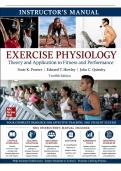
Instructor's Manual: Exercise Physiology: Theory and Application
to Fitness and Performance, 12th Edition
Author: Scott Powers
ST
SECTION 1: Physiology of Exercise
UV
Chapter 0. Introduction to Physiology of Exercise
Chapter 1. Common Measurements in Exercise Physiology
Chapter 2. Control of the Internal Environment
IA
Chapter 3. Bioenergetics
Chapter 4. Exercise Metabolism
?_
Chapter 5. Cell Signaling and the Hormonal Responses to Exercise
Chapter 6. Exercise and the Immune System
Chapter 7. The Nervous System: Structure and Control of Movement
AP
Chapter 8. Skeletal Muscle: Structure and Function
Chapter 9. Circulatory Responses to Exercise
Chapter 10. Respiration during Exercise
PR
Chapter 11. Acid-Base Balance during Exercise
Chapter 12. Temperature Regulation
Chapter 13. The Physiology of Training: Effects of Aerobic and Anaerobic Training
OV
Chapter 14. The Physiology of Resistance Training
SECTION 2: Physiology of Health and Fitness
Chapter 15. Exercise Is Medicine—Part 1: Prevention of Chronic Diseases
ED
Chapter 16. Exercise is Medicine—Part 2: Therapy for Chronic Diseases and Prevention of
Age-related Physiological Dysfunction
Chapter 17. Exercise is Medicine—Part 3: Exercise Prescriptions for Health and Fitness
?
Chapter 18. Nutrition, Body Composition, and Weight Management
?
SECTION 3: Physiology of Performance
Chapter 19. Factors Affecting Performance
Chapter 20. Training for Performance
, Chapter 21. Training for the Female Athlete, Children, Special Populations, and the Masters
Athlete
Chapter 22. Nutrition, Body Composition, and Performance
Chapter 23. Exercise and the Environment
Chapter 24. Ergogenic Aids
ST
UV
IA
?_
AP
PR
OV
ED
? ?
, Powers, Howley, & Quindry EXERCISE PHYSIOLOGY: Theory and Application to Fitness and Performance, 12e
INSTRUCTOR MANUAL
ST Chapter 0
INTRODUCTION TO EXERCISE PHYSIOLOGY
KEY POINTS
Physiology
UV SUBPOINTS
Study of function of tissues, organs, and systems
SLIDE #
3
Exercise Physiology
IA
Study of effect of exercise on tissues, organs, and systems
Responses to environmental factors
Milestones in Evolution of
Exercise Physiology ?_
Effects in special populations
Studies on Cardiorespiratory Control (Krogh and Lindhard) 4-5
AP
(1900-1950) 1920 Nobel Prize-Capillary Blood Flow Muscles (Krogh)
1922 Nobel Prize (Hill and Meyerhof)
Harvard Fatigue Lab (Dill)
(Keys)
PR
Laboratory of Physiological Hygiene-University of Minnesota
Important exercise physiology research (1930-1970) by
Milestones in Evolution of
OV
Asmussen, Christensen, and Nielson
Physical fitness research (Cureton)
Progressive resistance exercise research (Delorme)
ACSM founded (1954) 6
Exercise Physiology
(1951-2000) Institute of Environmental Stress (Horvath)
ED
??
ED
OV
PR
AP
?_
IA
UV
ST
, TABLE OF CONTENTS
Instructor's Manual: Exercise Physiology: Theory and Application
to Fitness and Performance, 12th Edition
Author: Scott Powers
ST
SECTION 1: Physiology of Exercise
UV
Chapter 0. Introduction to Physiology of Exercise
Chapter 1. Common Measurements in Exercise Physiology
Chapter 2. Control of the Internal Environment
IA
Chapter 3. Bioenergetics
Chapter 4. Exercise Metabolism
?_
Chapter 5. Cell Signaling and the Hormonal Responses to Exercise
Chapter 6. Exercise and the Immune System
Chapter 7. The Nervous System: Structure and Control of Movement
AP
Chapter 8. Skeletal Muscle: Structure and Function
Chapter 9. Circulatory Responses to Exercise
Chapter 10. Respiration during Exercise
PR
Chapter 11. Acid-Base Balance during Exercise
Chapter 12. Temperature Regulation
Chapter 13. The Physiology of Training: Effects of Aerobic and Anaerobic Training
OV
Chapter 14. The Physiology of Resistance Training
SECTION 2: Physiology of Health and Fitness
Chapter 15. Exercise Is Medicine—Part 1: Prevention of Chronic Diseases
ED
Chapter 16. Exercise is Medicine—Part 2: Therapy for Chronic Diseases and Prevention of
Age-related Physiological Dysfunction
Chapter 17. Exercise is Medicine—Part 3: Exercise Prescriptions for Health and Fitness
?
Chapter 18. Nutrition, Body Composition, and Weight Management
?
SECTION 3: Physiology of Performance
Chapter 19. Factors Affecting Performance
Chapter 20. Training for Performance
, Chapter 21. Training for the Female Athlete, Children, Special Populations, and the Masters
Athlete
Chapter 22. Nutrition, Body Composition, and Performance
Chapter 23. Exercise and the Environment
Chapter 24. Ergogenic Aids
ST
UV
IA
?_
AP
PR
OV
ED
? ?
, Powers, Howley, & Quindry EXERCISE PHYSIOLOGY: Theory and Application to Fitness and Performance, 12e
INSTRUCTOR MANUAL
ST Chapter 0
INTRODUCTION TO EXERCISE PHYSIOLOGY
KEY POINTS
Physiology
UV SUBPOINTS
Study of function of tissues, organs, and systems
SLIDE #
3
Exercise Physiology
IA
Study of effect of exercise on tissues, organs, and systems
Responses to environmental factors
Milestones in Evolution of
Exercise Physiology ?_
Effects in special populations
Studies on Cardiorespiratory Control (Krogh and Lindhard) 4-5
AP
(1900-1950) 1920 Nobel Prize-Capillary Blood Flow Muscles (Krogh)
1922 Nobel Prize (Hill and Meyerhof)
Harvard Fatigue Lab (Dill)
(Keys)
PR
Laboratory of Physiological Hygiene-University of Minnesota
Important exercise physiology research (1930-1970) by
Milestones in Evolution of
OV
Asmussen, Christensen, and Nielson
Physical fitness research (Cureton)
Progressive resistance exercise research (Delorme)
ACSM founded (1954) 6
Exercise Physiology
(1951-2000) Institute of Environmental Stress (Horvath)
ED
??

