EXCLUSIVISM (PARTICULARISM)
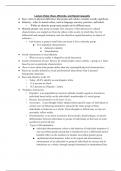
Exclusivism-View that people must have explicit faith in Jesus as the son of God and
have to believe that Salvation is found in Jesus otherwise they cannot be saved.
Argue that Jesus’ sacrificial death on the cross and Resurrection were real events of
cosmic significance. Reject the idea that there may be other ways to Salvation
without belief in the saving act of Christ.
KRAEMER CRITCISMS
Exclusivist he argued that Salvation is - It is not compatible with the
only for Christians, although God's idea of an omnibenvolent,
revelation can be seen by people forgiving God.
outside the Christian faith. He argued - It suggests that God loves
that religions have to be understood as some people more than others
a whole and it does not make any sense (partisan),
to say that some aspects of religion are - some have more opportunity
true full still either a religion accepts the to be exposed to Christianity
Salvation offered by cries or it does not. - causes social division and
conflict
BARTH - Fails to recognise richness
Exclusivist. He emphasised a “theology and wisdom of other religions
of the Word” and asserted that the - Arrogant in the way that it
knowledge of God can be found only assumes
when God chooses to reveal it through
his word. Jesus was the living word of
God, and the Bible is the word of God
as the witness to the truth of Christ.
GAVIN D’COSTA
He divides exclusivists into 2 groups:
1. Universal-access exclusivists
(UAE)- salvation is offered to all
and the will of God is that
everyone should come to him
through faith in Christ.
2. Restrictive-access exclusivists
(RAE)- God only saves those
that he has chosen.
Narrow exclusivists- argue that salvation is only for some, mot all Christians.
AUGUSTINE taught the idea of predestination. Literalists believe liberal Christians=
not saved. The Catholic Church before Vatican II taught there was no salvation r
Broad exclusivists- argue that all who accept Christ through faith are saved,
whatever their denomination or style of worship.
Exclusivism-View that people must have explicit faith in Jesus as the son of God and
have to believe that Salvation is found in Jesus otherwise they cannot be saved.
Argue that Jesus’ sacrificial death on the cross and Resurrection were real events of
cosmic significance. Reject the idea that there may be other ways to Salvation
without belief in the saving act of Christ.
KRAEMER CRITCISMS
Exclusivist he argued that Salvation is - It is not compatible with the
only for Christians, although God's idea of an omnibenvolent,
revelation can be seen by people forgiving God.
outside the Christian faith. He argued - It suggests that God loves
that religions have to be understood as some people more than others
a whole and it does not make any sense (partisan),
to say that some aspects of religion are - some have more opportunity
true full still either a religion accepts the to be exposed to Christianity
Salvation offered by cries or it does not. - causes social division and
conflict
BARTH - Fails to recognise richness
Exclusivist. He emphasised a “theology and wisdom of other religions
of the Word” and asserted that the - Arrogant in the way that it
knowledge of God can be found only assumes
when God chooses to reveal it through
his word. Jesus was the living word of
God, and the Bible is the word of God
as the witness to the truth of Christ.
GAVIN D’COSTA
He divides exclusivists into 2 groups:
1. Universal-access exclusivists
(UAE)- salvation is offered to all
and the will of God is that
everyone should come to him
through faith in Christ.
2. Restrictive-access exclusivists
(RAE)- God only saves those
that he has chosen.
Narrow exclusivists- argue that salvation is only for some, mot all Christians.
AUGUSTINE taught the idea of predestination. Literalists believe liberal Christians=
not saved. The Catholic Church before Vatican II taught there was no salvation r
Broad exclusivists- argue that all who accept Christ through faith are saved,
whatever their denomination or style of worship.