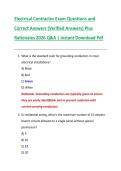
CALIFORNIA COURT CLERK
CERTIFICATION EXAM MASTER
PRACTICE TEST 2026–2027| QUESTIONS
AND ANSWERS WITH RATIONALES
1. What is the primary role of a court clerk in a California court system?
A. To represent defendants in court
B. To provide legal advice to the public
C. To maintain court records and manage case documentation
D. To preside over court hearings
CORRECT ANSWER: C
RATIONALE: Court clerks are responsible for managing official court records, filings, and case
processing—not legal representation or judicial decision-making.
2. Which document officially initiates a civil court case?
A. Judgment
B. Complaint
C. Subpoena
D. Verdict
CORRECT ANSWER: B
RATIONALE: A complaint is the initial pleading that starts a civil lawsuit.
3. What is the purpose of a docket in court administration?
A. To issue criminal sentences
B. To record daily court proceedings and case schedules
C. To serve subpoenas
D. To interpret laws
CORRECT ANSWER: B
RATIONALE: A docket is the official schedule and record of court cases and actions.
, 4. Which action is a court clerk responsible for during a trial?
A. Questioning witnesses
B. Making legal rulings
C. Recording court proceedings and maintaining exhibits
D. Advising jurors on verdicts
CORRECT ANSWER: C
RATIONALE: Clerks document proceedings and manage exhibits but do not make legal
decisions.
5. What does a subpoena do?
A. Issues a court ruling
B. Orders a person to appear in court or produce evidence
C. Dismisses a case
D. Files an appeal
CORRECT ANSWER: B
RATIONALE: A subpoena legally compels appearance or production of documents.
6. Which document is issued after a judge makes a final decision in a case?
A. Complaint
B. Verdict
C. Judgment
D. Motion
CORRECT ANSWER: C
RATIONALE: A judgment is the official court decision entered after ruling.
7. What is the importance of maintaining accurate court records?
A. It replaces judicial authority
B. It ensures legal transparency and appeals processing
C. It eliminates the need for hearings
D. It reduces attorney involvement
CORRECT ANSWER: B
RATIONALE: Accurate records support transparency, appeals, and proper case history tracking.
CERTIFICATION EXAM MASTER
PRACTICE TEST 2026–2027| QUESTIONS
AND ANSWERS WITH RATIONALES
1. What is the primary role of a court clerk in a California court system?
A. To represent defendants in court
B. To provide legal advice to the public
C. To maintain court records and manage case documentation
D. To preside over court hearings
CORRECT ANSWER: C
RATIONALE: Court clerks are responsible for managing official court records, filings, and case
processing—not legal representation or judicial decision-making.
2. Which document officially initiates a civil court case?
A. Judgment
B. Complaint
C. Subpoena
D. Verdict
CORRECT ANSWER: B
RATIONALE: A complaint is the initial pleading that starts a civil lawsuit.
3. What is the purpose of a docket in court administration?
A. To issue criminal sentences
B. To record daily court proceedings and case schedules
C. To serve subpoenas
D. To interpret laws
CORRECT ANSWER: B
RATIONALE: A docket is the official schedule and record of court cases and actions.
, 4. Which action is a court clerk responsible for during a trial?
A. Questioning witnesses
B. Making legal rulings
C. Recording court proceedings and maintaining exhibits
D. Advising jurors on verdicts
CORRECT ANSWER: C
RATIONALE: Clerks document proceedings and manage exhibits but do not make legal
decisions.
5. What does a subpoena do?
A. Issues a court ruling
B. Orders a person to appear in court or produce evidence
C. Dismisses a case
D. Files an appeal
CORRECT ANSWER: B
RATIONALE: A subpoena legally compels appearance or production of documents.
6. Which document is issued after a judge makes a final decision in a case?
A. Complaint
B. Verdict
C. Judgment
D. Motion
CORRECT ANSWER: C
RATIONALE: A judgment is the official court decision entered after ruling.
7. What is the importance of maintaining accurate court records?
A. It replaces judicial authority
B. It ensures legal transparency and appeals processing
C. It eliminates the need for hearings
D. It reduces attorney involvement
CORRECT ANSWER: B
RATIONALE: Accurate records support transparency, appeals, and proper case history tracking.