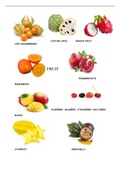
VEGETABLES CHAPTER 13
1. Define vegetables
2. Demonstrate and apply knowledge on the classification of vegetables in season.
3. Show an understanding of the structure and composition and apply the knowledge to the
cooking of and the effect of cooking on vegetables.
4. Identify the colour pigments present in vegetables.
5. Define Phytochemicals
6. Identify the flavour compounds present in vegetables
7. Plants as functional foods
8. Additives
9. Demonstrate and apply knowledge on the selection and purchasing of vegetables.
10. Reasons for cooking
11. Preparation methods – Moist heat and dry heat cooking methods and choose appropriate
preparation and cooking methods for vegetables. Discuss factors affecting the cooking of
vegetables.
12. Conservative cooking method
13. Show an understanding of the effect of heat on vegetables and apply the knowledge
when preparing vegetables. Identify changes that take place when cooking vegetables
14. Have knowledge on the causes of enzymatic and oxidative browning and effect of different
treatments to prevent oxidation of vegetables.
15. Terms and descriptions of techniques, processing and dishes relating to the preparation of
vegetables.
1. Define vegetables
2. Classification.
3. Structure of the cell – refer to fruit notes.
4. COLOUR PIGMENTS PRESENT IN VEGETABLES and FRUITS
PIGMENT COLOUR FOOD
Chlorophylls Green Green vegetables
Carotenoids Yellow Orange vegetables,
tomatoes, sweet potatoes
Flavenoids
Anthocyanins Violet/red Red cabbage,
White or
Anthoxanthins Colourless/pale Cauliflower, onions, turnips,
yellow cabbage
Betacyanins Red Beetroot
5. WHAT ARE PHYTOCHEMICALS?
Phytochemicals Biochemical substances(1) other than vitamins of plant origin.(1)
Positive effect on health(1) i.e. phenolic compounds, terpenoids,
pigments and antioxidants. (1)
, 6. FLAVOUR COMPONENTS
See notes under fruit about organic acids and flavour components.
Sulfur-containing compounds, e.g. allicin in onions, garlic, horseradish, chives, leeks.
Enzyme Allinase reacts with substances and produced the volatile compounds. This is
released when the vegetables are cut or peeled. I.e.
Onions releases ammonia and pyruvic acid. (burns your eyes). These substances are
volatile which means they will evaporate when exposed to cooking or to the air.
Malic acid is in lettuce, cauliflower, green beans, broccoli.
Citric acid in tomatoes and leafy vegetables.
Sinigrin in cabbage, watercress and mustard. It is released when tissue is damaged by
cutting or shredding. An enzyme, myrosinase breaks down the sinigrin to produce mustard
oil which is the cause of the very strong pungent flavour.
When exposed to heat the sinigrin forms hydrosulphide = very unpleasant odour.
Hydrogen sulphide and other volatile sulphur containing compounds may produce a strong
sulfurous flavour and odour in over-cooked cabbage-family vegetables.
Solution to the smell: Cook for the first few minutes without the lid to remove the
hydrosulphide formed and to retain the bright colour.
7. Plant as functional foods
8. ADDITIVES
9. CHOICE OF VEGETABLES
Colour
According to the type of vegetable: I.e. tomatoes bright red, carrots bright orange,
lettuce bright green.
Young and fresh. Certain vegetables are better for eating raw if young i.e. lettuce.
Other young vegetable such as New potatoes, gem squash, baby marrows etc. needs little
cooking and is suitable for steaming.
Appearance
Vegetables should be without any insect bites, bruises and any marks that deteriorate the
quality.
Good shape and size i.e. oversized vegetables are sometimes tasteless and has hard fibers
i.e. carrots.
Bulbs, roots – not washed, good colour, no spade marks or insect bites.
Lettuce and leafy vegetables and stems – crisp and firm.
Pods – full of seeds
In season –
Vegetables in season are cheaper than vegetables out of season.
10. REASONS FOR COOKING
Improved palatability i.e. potatoes
Improved digestibility i.e. starchy vegetables such as sweet potatoes. Gelatinization of
starch contributes to the improved digestibility
Additional flavour develop i.e. sweet potatoes
Microorganisms are destroyed.
1. Define vegetables
2. Demonstrate and apply knowledge on the classification of vegetables in season.
3. Show an understanding of the structure and composition and apply the knowledge to the
cooking of and the effect of cooking on vegetables.
4. Identify the colour pigments present in vegetables.
5. Define Phytochemicals
6. Identify the flavour compounds present in vegetables
7. Plants as functional foods
8. Additives
9. Demonstrate and apply knowledge on the selection and purchasing of vegetables.
10. Reasons for cooking
11. Preparation methods – Moist heat and dry heat cooking methods and choose appropriate
preparation and cooking methods for vegetables. Discuss factors affecting the cooking of
vegetables.
12. Conservative cooking method
13. Show an understanding of the effect of heat on vegetables and apply the knowledge
when preparing vegetables. Identify changes that take place when cooking vegetables
14. Have knowledge on the causes of enzymatic and oxidative browning and effect of different
treatments to prevent oxidation of vegetables.
15. Terms and descriptions of techniques, processing and dishes relating to the preparation of
vegetables.
1. Define vegetables
2. Classification.
3. Structure of the cell – refer to fruit notes.
4. COLOUR PIGMENTS PRESENT IN VEGETABLES and FRUITS
PIGMENT COLOUR FOOD
Chlorophylls Green Green vegetables
Carotenoids Yellow Orange vegetables,
tomatoes, sweet potatoes
Flavenoids
Anthocyanins Violet/red Red cabbage,
White or
Anthoxanthins Colourless/pale Cauliflower, onions, turnips,
yellow cabbage
Betacyanins Red Beetroot
5. WHAT ARE PHYTOCHEMICALS?
Phytochemicals Biochemical substances(1) other than vitamins of plant origin.(1)
Positive effect on health(1) i.e. phenolic compounds, terpenoids,
pigments and antioxidants. (1)
, 6. FLAVOUR COMPONENTS
See notes under fruit about organic acids and flavour components.
Sulfur-containing compounds, e.g. allicin in onions, garlic, horseradish, chives, leeks.
Enzyme Allinase reacts with substances and produced the volatile compounds. This is
released when the vegetables are cut or peeled. I.e.
Onions releases ammonia and pyruvic acid. (burns your eyes). These substances are
volatile which means they will evaporate when exposed to cooking or to the air.
Malic acid is in lettuce, cauliflower, green beans, broccoli.
Citric acid in tomatoes and leafy vegetables.
Sinigrin in cabbage, watercress and mustard. It is released when tissue is damaged by
cutting or shredding. An enzyme, myrosinase breaks down the sinigrin to produce mustard
oil which is the cause of the very strong pungent flavour.
When exposed to heat the sinigrin forms hydrosulphide = very unpleasant odour.
Hydrogen sulphide and other volatile sulphur containing compounds may produce a strong
sulfurous flavour and odour in over-cooked cabbage-family vegetables.
Solution to the smell: Cook for the first few minutes without the lid to remove the
hydrosulphide formed and to retain the bright colour.
7. Plant as functional foods
8. ADDITIVES
9. CHOICE OF VEGETABLES
Colour
According to the type of vegetable: I.e. tomatoes bright red, carrots bright orange,
lettuce bright green.
Young and fresh. Certain vegetables are better for eating raw if young i.e. lettuce.
Other young vegetable such as New potatoes, gem squash, baby marrows etc. needs little
cooking and is suitable for steaming.
Appearance
Vegetables should be without any insect bites, bruises and any marks that deteriorate the
quality.
Good shape and size i.e. oversized vegetables are sometimes tasteless and has hard fibers
i.e. carrots.
Bulbs, roots – not washed, good colour, no spade marks or insect bites.
Lettuce and leafy vegetables and stems – crisp and firm.
Pods – full of seeds
In season –
Vegetables in season are cheaper than vegetables out of season.
10. REASONS FOR COOKING
Improved palatability i.e. potatoes
Improved digestibility i.e. starchy vegetables such as sweet potatoes. Gelatinization of
starch contributes to the improved digestibility
Additional flavour develop i.e. sweet potatoes
Microorganisms are destroyed.