YAREN MESEGULU
Unit 14 – Organic chemistry
P1-
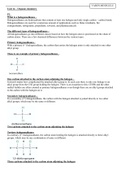
What is a halogenoalkanes -
Halogenoalkanes are hydrocarbons that contain at least one halogen and only single carbon – carbon bonds.
Halogenoalkanes are used for a numerous amount of applications such as flame retardants, fire
extinguishants, refrigerants, propellants, solvents, and pharmaceuticals.
The different types of halogenoalkanes –
All halogenoalkanes go into different classes based on how the halogen atom is positioned on the chain of
carbon atoms. There are a few chemical differences between the various types.
Primary halogenoalkanes -
With a primary (1°) halogenoalkane, the carbon that carries the halogen atom is only attached to one other
alkyl group.
These is an example of primary halogenoalkanes -
One carbon attached to the carbon atom adjoining the halogen –
It doesn't matter how complicated the attached alkyl group is. In each case there is only one linkage to an
alkyl group from the CH2 group holding the halogen. There is an exception to this. CH3Br and the other
methyl halides are often counted as primary halogenoalkanes even though there are no alkyl groups attached
to the carbon with the halogen on it.
Secondary halogenoalkanes –
In a secondary (2°) halogenoalkane, the carbon with the halogen attached is joined directly to two other
alkyl groups, which may be the same or different.
Two carbons attached to the carbon atom adjoining the halogen
Tertiary halogenoalkanes
In a tertiary (3°) halogenoalkane, the carbon atom holding the halogen is attached directly to three alkyl
groups, which may be any combination of same or different.
Three carbons attached to the carbon atom adjoining the halogen
,Reactions of halogenoalkanes –
- There are two types of reactions that halogenalkanes are involved in which is nucleophilic
substitution and addition.
Nucleophilic substitution-
A nucleophile is an the electron rich species that will react with an electron poor species
A substitution implies that one group replaces another.
Nucleophilic substitution reactions take place when an electron rich species, the nucleophile, reacts at an
electrophilic saturated C atom attached to an electronegative group (important), the leaving group, that can
be displaced as shown by the general scheme:
primary mainly substitution
secondary both substitution and elimination
tertiary mainly elimination
Nucleophilic substitution in primary halogenoalkanes
An SN1 reaction is a substitution (S) reaction that involves a nucleophile (N) and is unimolecular.
Unimolecular means that the speed of the reaction depends on only one molecule: the nucleophile.
In an SN1 reaction, the halogen-carbon bond breaks, resulting in a positively charged carbon. The
nucleophile is attracted to the positive charge, and a new bond is formed. This is a two-step mechanism and
most often occurs with tertiary alkyl halides.
Nucleophilic substitution in Bromoethane -
We'll talk this mechanism through using an ion as a nucleophile, because it's slightly easier. The water and
ammonia mechanisms involve an extra step which you can read about on the pages describing those
particular mechanisms.
We'll take bromoethane as a typical primary halogenoalkane. The bromoethane has a polar bond between the
carbon and the bromine. We'll look at its reaction with a general-purpose nucleophilic ion which we'll call
Nu-. This will have at least one lone pair of electrons. Nu- could, for example, be OH- or CN-
, The lone pair on the Nu- ion will be strongly attracted to the + carbon, and will move towards it, beginning
to make a co-ordinate (dative covalent) bond. In the process the electrons in the C-Br bond will be pushed
even closer towards the bromine, making it increasingly negative.
The movement goes on until the -Nu is firmly attached to the carbon, and the bromine has been expelled as a
Br- ion.
Nucleophilic substitution in secondary halogenoalkanesn -
There is nothing new in this. Secondary halogenoalkanes will use both mechanisms - some molecules will
react using the SN2 mechanism and others will react using the SN1mechanism.
The SN2 mechanism is a possible optiond because the back of the molecule isn't completely cluttered by
alkyl groups and so the approaching nucleophile can still get at the + carbon atom. The SN1 mechanism is
possible because the secondary carbocation formed in the slow step is more stable than a primary one. It isn't
as stable as a tertiary one though, and so the SN1 route isn't as effective as it is with tertiary
halogenoalkanes.
The SN2 reaction in secondary halogenoalkanes -
The reaction can happen in exactly the same way with a secondary halogenoalkane, although they also have
the potential for reacting via a different mechanism (which we'll deal with shortly).
Again, a lone pair on the approaching hydroxide ion forms a bond with the + carbon and, in the process,
the electrons in the carbon-bromine bond are forced entirely onto the bromine to create a bromide ion.
The SN1 reaction in secondary halogenoalkanes -
It is also possible to get some slight ionisation of the halogenoalkane to give an SN1 mechanism, but this
reaction is much less successful than with tertiary halogenoalkanes, because the secondary carbocation
formed isn't as stable as a tertiary one.
Once the carbocation has been formed, it will react immediately with a hydroxide ion. A lone pair on the
hydroxide ion is strongly attracted to the positive carbon, moves towards it, and forms a bond.
Nucleophilic substitution in tertiary halogenoalkanes –
Unit 14 – Organic chemistry
P1-
What is a halogenoalkanes -
Halogenoalkanes are hydrocarbons that contain at least one halogen and only single carbon – carbon bonds.
Halogenoalkanes are used for a numerous amount of applications such as flame retardants, fire
extinguishants, refrigerants, propellants, solvents, and pharmaceuticals.
The different types of halogenoalkanes –
All halogenoalkanes go into different classes based on how the halogen atom is positioned on the chain of
carbon atoms. There are a few chemical differences between the various types.
Primary halogenoalkanes -
With a primary (1°) halogenoalkane, the carbon that carries the halogen atom is only attached to one other
alkyl group.
These is an example of primary halogenoalkanes -
One carbon attached to the carbon atom adjoining the halogen –
It doesn't matter how complicated the attached alkyl group is. In each case there is only one linkage to an
alkyl group from the CH2 group holding the halogen. There is an exception to this. CH3Br and the other
methyl halides are often counted as primary halogenoalkanes even though there are no alkyl groups attached
to the carbon with the halogen on it.
Secondary halogenoalkanes –
In a secondary (2°) halogenoalkane, the carbon with the halogen attached is joined directly to two other
alkyl groups, which may be the same or different.
Two carbons attached to the carbon atom adjoining the halogen
Tertiary halogenoalkanes
In a tertiary (3°) halogenoalkane, the carbon atom holding the halogen is attached directly to three alkyl
groups, which may be any combination of same or different.
Three carbons attached to the carbon atom adjoining the halogen
,Reactions of halogenoalkanes –
- There are two types of reactions that halogenalkanes are involved in which is nucleophilic
substitution and addition.
Nucleophilic substitution-
A nucleophile is an the electron rich species that will react with an electron poor species
A substitution implies that one group replaces another.
Nucleophilic substitution reactions take place when an electron rich species, the nucleophile, reacts at an
electrophilic saturated C atom attached to an electronegative group (important), the leaving group, that can
be displaced as shown by the general scheme:
primary mainly substitution
secondary both substitution and elimination
tertiary mainly elimination
Nucleophilic substitution in primary halogenoalkanes
An SN1 reaction is a substitution (S) reaction that involves a nucleophile (N) and is unimolecular.
Unimolecular means that the speed of the reaction depends on only one molecule: the nucleophile.
In an SN1 reaction, the halogen-carbon bond breaks, resulting in a positively charged carbon. The
nucleophile is attracted to the positive charge, and a new bond is formed. This is a two-step mechanism and
most often occurs with tertiary alkyl halides.
Nucleophilic substitution in Bromoethane -
We'll talk this mechanism through using an ion as a nucleophile, because it's slightly easier. The water and
ammonia mechanisms involve an extra step which you can read about on the pages describing those
particular mechanisms.
We'll take bromoethane as a typical primary halogenoalkane. The bromoethane has a polar bond between the
carbon and the bromine. We'll look at its reaction with a general-purpose nucleophilic ion which we'll call
Nu-. This will have at least one lone pair of electrons. Nu- could, for example, be OH- or CN-
, The lone pair on the Nu- ion will be strongly attracted to the + carbon, and will move towards it, beginning
to make a co-ordinate (dative covalent) bond. In the process the electrons in the C-Br bond will be pushed
even closer towards the bromine, making it increasingly negative.
The movement goes on until the -Nu is firmly attached to the carbon, and the bromine has been expelled as a
Br- ion.
Nucleophilic substitution in secondary halogenoalkanesn -
There is nothing new in this. Secondary halogenoalkanes will use both mechanisms - some molecules will
react using the SN2 mechanism and others will react using the SN1mechanism.
The SN2 mechanism is a possible optiond because the back of the molecule isn't completely cluttered by
alkyl groups and so the approaching nucleophile can still get at the + carbon atom. The SN1 mechanism is
possible because the secondary carbocation formed in the slow step is more stable than a primary one. It isn't
as stable as a tertiary one though, and so the SN1 route isn't as effective as it is with tertiary
halogenoalkanes.
The SN2 reaction in secondary halogenoalkanes -
The reaction can happen in exactly the same way with a secondary halogenoalkane, although they also have
the potential for reacting via a different mechanism (which we'll deal with shortly).
Again, a lone pair on the approaching hydroxide ion forms a bond with the + carbon and, in the process,
the electrons in the carbon-bromine bond are forced entirely onto the bromine to create a bromide ion.
The SN1 reaction in secondary halogenoalkanes -
It is also possible to get some slight ionisation of the halogenoalkane to give an SN1 mechanism, but this
reaction is much less successful than with tertiary halogenoalkanes, because the secondary carbocation
formed isn't as stable as a tertiary one.
Once the carbocation has been formed, it will react immediately with a hydroxide ion. A lone pair on the
hydroxide ion is strongly attracted to the positive carbon, moves towards it, and forms a bond.
Nucleophilic substitution in tertiary halogenoalkanes –