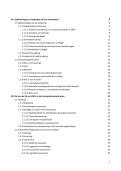
The Basics: Fundamentals of financial statements ............................................................. 4
Introduction .............................................................................................................. 4
Financial statements ................................................................................................. 4
Balance Sheet (BS) ............................................................................................. 4
Assets:........................................................................................................ 4
Equity and liabilities ..................................................................................... 6
Income Statement .............................................................................................. 6
The principles of Accrual Accounting ............................................................ 7
Equity Statement ................................................................................................ 8
Comprehensive Income statement ...................................................................... 8
Cash Flow Statement (CF) ................................................................................... 9
The Core 1: Financial Statement Analysis ......................................................................... 11
Profitability analysis................................................................................................. 11
Operating return: .............................................................................................. 11
Nonoperating return ......................................................................................... 13
Credit risk analysis .................................................................................................. 14
Solvency ratios: ................................................................................................ 14
Static ratios: .............................................................................................. 14
Dynamic ratios: ......................................................................................... 15
Covenants ....................................................................................................... 16
Operating income .................................................................................................... 18
Income statement by nature of expense ...................................................... 18
Income statement: Items overview .................................................................... 18
1.Revenues ............................................................................................... 18
2.Research & Development ........................................................................ 20
3.Selling, General & Administrative expenses ............................................... 21
Cost Analysis: ........................................................................................... 22
4.Noncontrolling Interests (NCI) ................................................................. 23
5.Earnings per Share (EPS) ......................................................................... 23
Current assets and liabilities .................................................................................... 24
1.Inventories (+COGS) ...................................................................................... 24
Accounting in inventories ........................................................................... 24
Analysis: Inventory turnover........................................................................ 26
1
, 2.Accounts receivable ...................................................................................... 26
Analysis: accounts receivable turnover ....................................................... 27
3.Operating current liabilities ............................................................................ 28
Analysis: Accounts payable turnover ........................................................... 28
Liquidity analysis ..................................................................................................... 28
Need for Working Capital and Net Cash Position ................................... 29
Long-term assets..................................................................................................... 30
Property, Plant and Equipment (PPE) .................................................................. 30
Sale of LT asset: example ........................................................................... 31
Intangible Assets .............................................................................................. 31
Goodwill .......................................................................................................... 32
Joint Ventures ................................................................................................... 33
Fair value assets ............................................................................................... 33
Fair value of Historical cost: example .......................................................... 33
Leased Assets .................................................................................................. 34
Accounting for leasing: carrefour ......................................................... 35
The Core 2: Valuation ...................................................................................................... 35
Securities Valuation process ............................................................................. 35
Valuation basics ...................................................................................................... 35
1.Accounting adjustments ................................................................................ 35
2.Forecasting Financial Statements ................................................................... 36
Forecasting revenues ................................................................................. 37
Forecasting other items.............................................................................. 37
3.Concepts of valuation .................................................................................... 37
Miller Modigliani ........................................................................................ 38
Betas ........................................................................................................ 39
Cash Flow Based valuation (DCF) ............................................................................. 39
Dividend discount model .................................................................................. 39
Discounted Cash Flow model (DCF)................................................................... 40
5-steps: .................................................................................................... 40
Free Cash Flow .......................................................................................... 41
How to measure? ................................................................................ 41
Parsimonious forecasting ........................................................................... 42
2
, Effects of changing variables: ..................................................................... 42
Income-based valuation (ROPI) ................................................................................ 43
Residual operating income model (ROPI):........................................................... 43
ROPI-valuation: 5-steps ............................................................................. 44
Effect of changing variables ........................................................................ 44
Implied cost of capital (implied WACC ........................................................ 44
Market-based valuation (Mutiples) ............................................................................ 45
How to select comparable companies? ................................................ 45
Earnings multiples ............................................................................................ 46
Book Value multiples ........................................................................................ 48
Conclusions of the market-based valuation analysis: ................................... 49
Valuation in Practice ................................................................................................ 49
3
, Financial Statement Analysis
The Basics: Fundamentals of financial statements
Introduction
Financial information:
- Demand by:
o Shareholders
o Investment analysts
o Lenders and bondholders (they want to know the credit risk and solvency)
o Employees (want to know how healthy company is)
o Customers, suppliers and other partners (JV)
o Regulators and tax authorities
- Supply of fin.info. for reasons:
o Compliance with public market regulation
o Benefits of disclosure: lower cost of equity, lower cost of debt
o Disclosing information also involves costs:
▪ Preparation and dissemination (verspreiding)
▪ Competitive disadvantages : bv Heineken is naar oost-europa getrokken en de
concurrent zagen dat ze daar veel success hadden dus zijn ze ook naar daar
getrokken, hierdoor verloor Heineken een groot deel van hun markt
Financial statements
Balance Sheet (BS)
Assets = Liabilities + Equity
Alles waar bedrijf in heeft geinvesteerd = hoe al die assets betaald zijn: eigen geld en leningen
De vraag is altijd: does the structure relate to how you think the BS will look?
- Do we expect a lot of long-term assets? When producing cars, yes bcs you need factories.
- Do we expect a lot of inventories? When producing produce/fresh food, no bcs it goes bad
relatively fast. When producing cars, yes
Assets:
To be reported on a BS, an asset must:
- Be owned (or controlled) by the company
- Possess expected future economic benefits
4
, Assets are listed in order of liquidity:
- Current assets comprise assets that can be converted or are expected to be converted to
cash within a year, an assets entailing an economic benefits (bv prepayments)
o Cash and cash equivalents: currency, bank deposits, and investments with an original
maturity of 90 days or less
o Marketable securities: short-term investments that can be quickly sold to raise cash,
typically with a maturity between 3 or 12 months
o Accounts receivable net: amounts due to the company from customers arising from
the sale of products and services on credit
o Inventories: goods purchased or produced for sale to customers, including raw
materials and work-in-progress
o Prepaid expenses: costs paid in advance for rent, insurance, advertising or other
services
- Long-Term asset cannot easily be, or are not expected to be, converted into cash within a year
o Property, plant and equipment (PPE) net: land, factory buildings, warehouses, office
buildings, machinery, motor vehicles, office equipment and other items used in
operating activities
▪ Net refers to subtraction of accumulated depreciation
o Leased assets: all leased assets must be shown on the balance sheet
o Intangible and other assets: assets without physical substance, such as patents,
trademarks, franchise rights and other costs the company incurred that provide future
benefits.
o Goodwill: the premium on top of the book/market value paid in acquisition activities
(dus als je organisch gegroeid bent en geen enkele m&a hebt gedaan ga je dit niet
hebben)
o Long-term investments: investments (usually in equity and bonds) which are not
intended to be sold within a year (kan dus ook marketable securities heten)
Asset recognition: in general, assets are reported on the BS under the principal of historical cost, also
referred to as ‘amortized cost’.
Historical cost accounting means you are recording the value of the asset at historical cost
price. This method is mostly used bcs it’s: objective, verifiable, predictable
There is an important alternative: Fair value accounting (zie infra): what is someone else
currently willing to pay for that asset.
Only include items that can be sufficiently reliably measured: considerable amounts of
“economic assets” may not be reflected on a BS: bv a strong management team,
attractiveness for new employees, customer satisfaction, a well-designed supply chain, or
superior technology
5
Introduction .............................................................................................................. 4
Financial statements ................................................................................................. 4
Balance Sheet (BS) ............................................................................................. 4
Assets:........................................................................................................ 4
Equity and liabilities ..................................................................................... 6
Income Statement .............................................................................................. 6
The principles of Accrual Accounting ............................................................ 7
Equity Statement ................................................................................................ 8
Comprehensive Income statement ...................................................................... 8
Cash Flow Statement (CF) ................................................................................... 9
The Core 1: Financial Statement Analysis ......................................................................... 11
Profitability analysis................................................................................................. 11
Operating return: .............................................................................................. 11
Nonoperating return ......................................................................................... 13
Credit risk analysis .................................................................................................. 14
Solvency ratios: ................................................................................................ 14
Static ratios: .............................................................................................. 14
Dynamic ratios: ......................................................................................... 15
Covenants ....................................................................................................... 16
Operating income .................................................................................................... 18
Income statement by nature of expense ...................................................... 18
Income statement: Items overview .................................................................... 18
1.Revenues ............................................................................................... 18
2.Research & Development ........................................................................ 20
3.Selling, General & Administrative expenses ............................................... 21
Cost Analysis: ........................................................................................... 22
4.Noncontrolling Interests (NCI) ................................................................. 23
5.Earnings per Share (EPS) ......................................................................... 23
Current assets and liabilities .................................................................................... 24
1.Inventories (+COGS) ...................................................................................... 24
Accounting in inventories ........................................................................... 24
Analysis: Inventory turnover........................................................................ 26
1
, 2.Accounts receivable ...................................................................................... 26
Analysis: accounts receivable turnover ....................................................... 27
3.Operating current liabilities ............................................................................ 28
Analysis: Accounts payable turnover ........................................................... 28
Liquidity analysis ..................................................................................................... 28
Need for Working Capital and Net Cash Position ................................... 29
Long-term assets..................................................................................................... 30
Property, Plant and Equipment (PPE) .................................................................. 30
Sale of LT asset: example ........................................................................... 31
Intangible Assets .............................................................................................. 31
Goodwill .......................................................................................................... 32
Joint Ventures ................................................................................................... 33
Fair value assets ............................................................................................... 33
Fair value of Historical cost: example .......................................................... 33
Leased Assets .................................................................................................. 34
Accounting for leasing: carrefour ......................................................... 35
The Core 2: Valuation ...................................................................................................... 35
Securities Valuation process ............................................................................. 35
Valuation basics ...................................................................................................... 35
1.Accounting adjustments ................................................................................ 35
2.Forecasting Financial Statements ................................................................... 36
Forecasting revenues ................................................................................. 37
Forecasting other items.............................................................................. 37
3.Concepts of valuation .................................................................................... 37
Miller Modigliani ........................................................................................ 38
Betas ........................................................................................................ 39
Cash Flow Based valuation (DCF) ............................................................................. 39
Dividend discount model .................................................................................. 39
Discounted Cash Flow model (DCF)................................................................... 40
5-steps: .................................................................................................... 40
Free Cash Flow .......................................................................................... 41
How to measure? ................................................................................ 41
Parsimonious forecasting ........................................................................... 42
2
, Effects of changing variables: ..................................................................... 42
Income-based valuation (ROPI) ................................................................................ 43
Residual operating income model (ROPI):........................................................... 43
ROPI-valuation: 5-steps ............................................................................. 44
Effect of changing variables ........................................................................ 44
Implied cost of capital (implied WACC ........................................................ 44
Market-based valuation (Mutiples) ............................................................................ 45
How to select comparable companies? ................................................ 45
Earnings multiples ............................................................................................ 46
Book Value multiples ........................................................................................ 48
Conclusions of the market-based valuation analysis: ................................... 49
Valuation in Practice ................................................................................................ 49
3
, Financial Statement Analysis
The Basics: Fundamentals of financial statements
Introduction
Financial information:
- Demand by:
o Shareholders
o Investment analysts
o Lenders and bondholders (they want to know the credit risk and solvency)
o Employees (want to know how healthy company is)
o Customers, suppliers and other partners (JV)
o Regulators and tax authorities
- Supply of fin.info. for reasons:
o Compliance with public market regulation
o Benefits of disclosure: lower cost of equity, lower cost of debt
o Disclosing information also involves costs:
▪ Preparation and dissemination (verspreiding)
▪ Competitive disadvantages : bv Heineken is naar oost-europa getrokken en de
concurrent zagen dat ze daar veel success hadden dus zijn ze ook naar daar
getrokken, hierdoor verloor Heineken een groot deel van hun markt
Financial statements
Balance Sheet (BS)
Assets = Liabilities + Equity
Alles waar bedrijf in heeft geinvesteerd = hoe al die assets betaald zijn: eigen geld en leningen
De vraag is altijd: does the structure relate to how you think the BS will look?
- Do we expect a lot of long-term assets? When producing cars, yes bcs you need factories.
- Do we expect a lot of inventories? When producing produce/fresh food, no bcs it goes bad
relatively fast. When producing cars, yes
Assets:
To be reported on a BS, an asset must:
- Be owned (or controlled) by the company
- Possess expected future economic benefits
4
, Assets are listed in order of liquidity:
- Current assets comprise assets that can be converted or are expected to be converted to
cash within a year, an assets entailing an economic benefits (bv prepayments)
o Cash and cash equivalents: currency, bank deposits, and investments with an original
maturity of 90 days or less
o Marketable securities: short-term investments that can be quickly sold to raise cash,
typically with a maturity between 3 or 12 months
o Accounts receivable net: amounts due to the company from customers arising from
the sale of products and services on credit
o Inventories: goods purchased or produced for sale to customers, including raw
materials and work-in-progress
o Prepaid expenses: costs paid in advance for rent, insurance, advertising or other
services
- Long-Term asset cannot easily be, or are not expected to be, converted into cash within a year
o Property, plant and equipment (PPE) net: land, factory buildings, warehouses, office
buildings, machinery, motor vehicles, office equipment and other items used in
operating activities
▪ Net refers to subtraction of accumulated depreciation
o Leased assets: all leased assets must be shown on the balance sheet
o Intangible and other assets: assets without physical substance, such as patents,
trademarks, franchise rights and other costs the company incurred that provide future
benefits.
o Goodwill: the premium on top of the book/market value paid in acquisition activities
(dus als je organisch gegroeid bent en geen enkele m&a hebt gedaan ga je dit niet
hebben)
o Long-term investments: investments (usually in equity and bonds) which are not
intended to be sold within a year (kan dus ook marketable securities heten)
Asset recognition: in general, assets are reported on the BS under the principal of historical cost, also
referred to as ‘amortized cost’.
Historical cost accounting means you are recording the value of the asset at historical cost
price. This method is mostly used bcs it’s: objective, verifiable, predictable
There is an important alternative: Fair value accounting (zie infra): what is someone else
currently willing to pay for that asset.
Only include items that can be sufficiently reliably measured: considerable amounts of
“economic assets” may not be reflected on a BS: bv a strong management team,
attractiveness for new employees, customer satisfaction, a well-designed supply chain, or
superior technology
5