Law, State, and Constitution
Week Two - Law & Public Law
Readings - Chapter 1
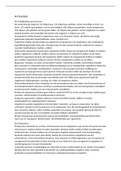
(a) Public Law, The State, and the Courts - David W. Elliott
Public law - The law relating to the state and its relationship to society.
- Such as Constitutional law, administrative law, criminal law, and civil liberties.
Focus has shifted within public law from legislatures to cabinets and rst ministers.
- NOW it is shared with anther institution of government - the courts of law.
- Courts like public law have a major impact on our lives.
This is an intro to public law with an emphasis on the role of courts.
The de nition emphasises that law is rule based, normative, and enforceable.
- By noting the enforcement role of the courts, it suggests an important connection
between the law and government.
- Law is created on behalf of the state.
Law - a body of rules enforceable in the courts.
Public law - the law relating to the state and to the relationship between the state and society.
Private law - the law relating to the actions of individuals and groups in society.
Common law - system has an adversary procedure and is oriented toward case law.
Civil law - has more inquisitorial procedure and is baed on legislative codes.
Common law is the body of rules and principles developed by the courts of law. Statute law
(primary legislation) is enacted by the legislature.
- Statute law prevails over common law.
- But statute law is interpreted by courts who apply common law principles when they
interpret it.
Canadian public law can take the form of conditional norms, legislation, or common law.
- Legal constitutional norms and legislation are incrusted by courts and the common law is
both created and interpreted by courts.
The Canadian state is a collective entity.
- 1 federal government, 10 provincial governments, 3 territorial governments.
- Each with three main branches:
- Legislative branch - to represent the interests of the electorate, to monitor the
executive branch, and to formally enact law.
- Executive branch - initiate and administer policy and law and to manage assets of
the state.
- Judicial branch - resolving disputes according to law and interpreting and
developing law.
Concept of state is related to one or more of the following traditional goals:
- Pursuing collective action
- A states capacity to pursue collective action that would be di cult or impossible f
or individuals acting on their own.
- Protecting private rights
- The need to protect interests of private individuals in concerns such as personal
liberty and property.
- Ensuring citizen control
- Those who are subject to state power should - as much as possible - direct it.
fi fi ffi
Week Two - Law & Public Law
Readings - Chapter 1
(a) Public Law, The State, and the Courts - David W. Elliott
Public law - The law relating to the state and its relationship to society.
- Such as Constitutional law, administrative law, criminal law, and civil liberties.
Focus has shifted within public law from legislatures to cabinets and rst ministers.
- NOW it is shared with anther institution of government - the courts of law.
- Courts like public law have a major impact on our lives.
This is an intro to public law with an emphasis on the role of courts.
The de nition emphasises that law is rule based, normative, and enforceable.
- By noting the enforcement role of the courts, it suggests an important connection
between the law and government.
- Law is created on behalf of the state.
Law - a body of rules enforceable in the courts.
Public law - the law relating to the state and to the relationship between the state and society.
Private law - the law relating to the actions of individuals and groups in society.
Common law - system has an adversary procedure and is oriented toward case law.
Civil law - has more inquisitorial procedure and is baed on legislative codes.
Common law is the body of rules and principles developed by the courts of law. Statute law
(primary legislation) is enacted by the legislature.
- Statute law prevails over common law.
- But statute law is interpreted by courts who apply common law principles when they
interpret it.
Canadian public law can take the form of conditional norms, legislation, or common law.
- Legal constitutional norms and legislation are incrusted by courts and the common law is
both created and interpreted by courts.
The Canadian state is a collective entity.
- 1 federal government, 10 provincial governments, 3 territorial governments.
- Each with three main branches:
- Legislative branch - to represent the interests of the electorate, to monitor the
executive branch, and to formally enact law.
- Executive branch - initiate and administer policy and law and to manage assets of
the state.
- Judicial branch - resolving disputes according to law and interpreting and
developing law.
Concept of state is related to one or more of the following traditional goals:
- Pursuing collective action
- A states capacity to pursue collective action that would be di cult or impossible f
or individuals acting on their own.
- Protecting private rights
- The need to protect interests of private individuals in concerns such as personal
liberty and property.
- Ensuring citizen control
- Those who are subject to state power should - as much as possible - direct it.
fi fi ffi