17th October 2019
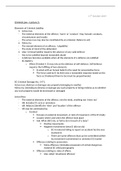
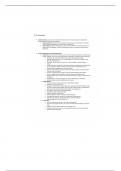
Criminal Law – Lecture 3:
Elements of Criminal Liability:
1. Actus reus
- The external elements of the offence, ‘harm’ or ‘conduct’. May include: conducts,
circumstances and results
- The actus reus may also be constituted by an omission (failure to act)
2. Mens rea
- The mental element of an offence, ‘culpability’
- The state of mind of the defendant
3. Also: Criminal liability requires the absence of any valid defence
- Has to be satisfied beyond reasonable doubt
- A defence becomes available when all the elements of a defence are satisfied
- EG Battery:
o When D kicked V, D may rely on the defence of self-defence. Self-defence
requires the fulfilling of two elements:
D acted with an honest belief in the need for preventative force
The force used by D (to kick) was a reasonable response based on the
facts as D believed them to be (must be proportionate)
EG Criminal Damage Act, 1971:
Actus reus: destroys or damages any property belonging to another
Mens rea: intending to destroy or damage any such property or being reckless as to whether
any such property would be destroyed or damaged
Actus Reus:
- The external elements of the offence, not the mind, anything not ‘mens rea’
- AR: Includes D’s acts or omissions
- AR: Helps to identify the ‘time’ and ‘location’ of the offence
- AR may be constituted by:
o Conduct
Focuses on external movement, or lack of movement, of the D’s body
Locates where and when the offence took place
Ask: What did D do, or fail to do in breach of a duty?
Positive movements
Negative movements (what D did not do)
o EG A motorist failing to report an accident he/she was
involved in
o There are some offences that can be committed wither
by movement (commission) or omission EG murder
Offences relating to possession:
Many offences criminalize possession of certain dangerous
material EG child pornography
Offences relating to state of affairs:
Also called ‘situational offences’
Criminal Law – Lecture 3:
Elements of Criminal Liability:
1. Actus reus
- The external elements of the offence, ‘harm’ or ‘conduct’. May include: conducts,
circumstances and results
- The actus reus may also be constituted by an omission (failure to act)
2. Mens rea
- The mental element of an offence, ‘culpability’
- The state of mind of the defendant
3. Also: Criminal liability requires the absence of any valid defence
- Has to be satisfied beyond reasonable doubt
- A defence becomes available when all the elements of a defence are satisfied
- EG Battery:
o When D kicked V, D may rely on the defence of self-defence. Self-defence
requires the fulfilling of two elements:
D acted with an honest belief in the need for preventative force
The force used by D (to kick) was a reasonable response based on the
facts as D believed them to be (must be proportionate)
EG Criminal Damage Act, 1971:
Actus reus: destroys or damages any property belonging to another
Mens rea: intending to destroy or damage any such property or being reckless as to whether
any such property would be destroyed or damaged
Actus Reus:
- The external elements of the offence, not the mind, anything not ‘mens rea’
- AR: Includes D’s acts or omissions
- AR: Helps to identify the ‘time’ and ‘location’ of the offence
- AR may be constituted by:
o Conduct
Focuses on external movement, or lack of movement, of the D’s body
Locates where and when the offence took place
Ask: What did D do, or fail to do in breach of a duty?
Positive movements
Negative movements (what D did not do)
o EG A motorist failing to report an accident he/she was
involved in
o There are some offences that can be committed wither
by movement (commission) or omission EG murder
Offences relating to possession:
Many offences criminalize possession of certain dangerous
material EG child pornography
Offences relating to state of affairs:
Also called ‘situational offences’