PATHOPHYSIOLOGY INTRODUCTORY
CONCEPTS AND CLINICAL PERSPECTIVES
PRACTICE STUDY GUIDE 2026
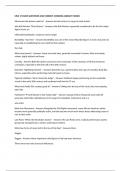
◉ Host. Answer: Colonized by a pathogen
◉ Infection. Answer: Invasion colonization or multiplication of a
pathogen.
◉ Septicemia. Answer: Infection of the blood stream
Can be caused by inserting a IV cath with out properly cleaning the
skin
◉ Immunocompetence. Answer: The individuals ability to protect
oneself from infectious agents because of a strong immune system
◉ Immunosuppressed. Answer: A weak immune system is at risk of
common microorganism causing a opportunistic infection
◉ Hospital Acquired Condition. Answer: Hospitals harbor a wide
variety of bacteria that can cause nosocomial infections
,◉ Staphylococcus Aureus. Answer: Skin and wound infections like;
impetigo, pneumonia, septicemia
Other infections on the skin surface, S. epidermidis, S. aureus,
corynebacterium
◉ Streptococcus pyogene. Answer: GABHS group A Beta hemolytic
streptococcus
Pharyngitis, impetigo, URI, rheumatic fever (rheumatic heart
disease/heart murmur), scarlet fever, glomerulonephritis, TSS,
necrotizing fascitis
◉ Streptococcus Pneumoniae. Answer: Community acquired
pneumonia
Institutionalized patients
Influenza is a common precursor
Pneumonia: Rigors, Crackles (hair between the fingers) lower lung
, #1 mortality in NH
◉ Legionnaires Disease. Answer: air conditioning systems
◉ Pseudamonas areuginosa. Answer: UTI 4th most commonly
isolated nosocomial infection, accounting for 10% all hospital
acquired infections
◉ Escherichia coli. Answer: UTI, wound infection, pneumonia,
septicemia
lower UTIs can be found in sexual active women, were males with
BPM cause urinary stasis. UTI with a fever should rule our
pyelonephritis
◉ Clostridium Difficile. Answer: Intestinal mucosa disruption
Long term antibiotic use
TX: contact precautions, isolation
◉ Neisseria Meningitidis. Answer: Meningitis , fever nuchal
rigidity(neck pain) and headache (nasopharynx is the human
reservoir)
CONCEPTS AND CLINICAL PERSPECTIVES
PRACTICE STUDY GUIDE 2026
◉ Host. Answer: Colonized by a pathogen
◉ Infection. Answer: Invasion colonization or multiplication of a
pathogen.
◉ Septicemia. Answer: Infection of the blood stream
Can be caused by inserting a IV cath with out properly cleaning the
skin
◉ Immunocompetence. Answer: The individuals ability to protect
oneself from infectious agents because of a strong immune system
◉ Immunosuppressed. Answer: A weak immune system is at risk of
common microorganism causing a opportunistic infection
◉ Hospital Acquired Condition. Answer: Hospitals harbor a wide
variety of bacteria that can cause nosocomial infections
,◉ Staphylococcus Aureus. Answer: Skin and wound infections like;
impetigo, pneumonia, septicemia
Other infections on the skin surface, S. epidermidis, S. aureus,
corynebacterium
◉ Streptococcus pyogene. Answer: GABHS group A Beta hemolytic
streptococcus
Pharyngitis, impetigo, URI, rheumatic fever (rheumatic heart
disease/heart murmur), scarlet fever, glomerulonephritis, TSS,
necrotizing fascitis
◉ Streptococcus Pneumoniae. Answer: Community acquired
pneumonia
Institutionalized patients
Influenza is a common precursor
Pneumonia: Rigors, Crackles (hair between the fingers) lower lung
, #1 mortality in NH
◉ Legionnaires Disease. Answer: air conditioning systems
◉ Pseudamonas areuginosa. Answer: UTI 4th most commonly
isolated nosocomial infection, accounting for 10% all hospital
acquired infections
◉ Escherichia coli. Answer: UTI, wound infection, pneumonia,
septicemia
lower UTIs can be found in sexual active women, were males with
BPM cause urinary stasis. UTI with a fever should rule our
pyelonephritis
◉ Clostridium Difficile. Answer: Intestinal mucosa disruption
Long term antibiotic use
TX: contact precautions, isolation
◉ Neisseria Meningitidis. Answer: Meningitis , fever nuchal
rigidity(neck pain) and headache (nasopharynx is the human
reservoir)