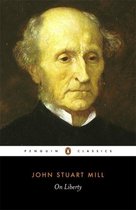
Chapter 5 notes
• Mill’s use of specimens, real life applications, of the two maximins is very effective in portraying his
views. Mill divides the harm principle in two main specimens, the first is no interference on our self-
regarding actions; if harm to interests is caused people are subject to punishment. However, this does not
always allow for state interference.
• In the first maximum Mill states that “the individual is not accountable to society for his actions… these
concern of no person but himself”. Thus, when one is acting in a manner that impacts only their own
self’s they should be free to du such without state interference.
o Dangerous situation- Mill believes that we should warn others of danger in order to protect people’s
choices, but once they are warned they have the right to do as they wish. If there is no time to warn them,
then ‘they might seize him and turn him back, without any real in- fringement of his liberty’. He believes
that people ‘can judge of the sufficiency of the motive which may prompt him to incur the risk’.
A strength of this example is how Mill allows the individual not only to be free, but also develop their
own capabilities. Mill believes that the individual knows what is best for themselves so one should allow
them to enter a dangerous situation if aware of it. It is possible that by going on the unstable bridge and
endangering themselves, the individuals will develop rational and practical faculties.
However, Mill writes that the public has a right to stop the individual to cross the bridge if they are not
aware of the danger to follow the individual survival desires. There is a clear issue in this point as one
can never know fully what the individual desires, thus one may want to fall into the river and make this
decision rationally.
o Selling yourself into slavery - Mill believes that people will think that he would allow one to sell
themselves to slavery: “an engagement by which a person should sell himself...neither enforced by law
or by opinion” - this is due to the fact that by not interfering with their choice to sell themselves, they are
not interfering on their liberty to choose the lifestyle they wish to follow (“The reason for not interfering,
unless for the sake of others, with a person’s voluntary acts, is consideration for his liberty.”)
However, Mill states that this is wrong: by selling yourself, you are selling your freedom (and hence
your right to decide whether or not you can make this choice) - by giving up your freedom, you are
giving up your right to decide any future lifestyle choices, and such is wrong “It is not freedom, to be
allowed to alienate his freedom”
This a flawed specimen to support the maxim because slavery is described by Mill as a contract which
can be found in everyday life at banks and gyms. If an individual is allowed to enter such contracts in
society it is counter intuitive for Mill to restrain the individual’s freedom to sell their liberties.
However, a strength of Mill’s argument against slavery is how despite affecting only one’s individual
sphere an individual cannot be bound by a contract that cannot be ended. This is because there is the
possibility that in the future they change their mind and it can’t be assumed that the individual will not
wish to exit the agreement.
• In the second maxim Mill argues that actions which harm the interests of others can be punished by the
state. Mill states that “for such actions as are prejudicial to the interests of others, the individual is
accountable and may be subjected either to social or to legal punishments.” when society agrees on it.
Mill admits that harm to others is not sufficient for state interference, it cannot justify it “it must by no
means be supposed, because damage, or probability of damage… it always does justify such
interferences”.
o Succeeding in an overcrowded profession or a competitive examination - The risk of damage to
other people cannot, on its own, ever fully justify the interference of society in an individual’s life.
Whoever succeeds in a profession/competitive examination “reaps benefit from the loss of others”.
However, it is still better for the general interest, society admits no legal or moral rights to “immunity
from this kind of suffering” - better for social progress (utility).
Within this specimen Mill lacks to explain the importance of quotas for gender or race. Mill would likely
consider these quotas as corruption of state. This is because the quotas would allow some individuals to
be chosen for a job simply because of their identity which would allow them to be more privileged to get
the position.
It is self-explanatory for Mill to support such application of the second maxim as state interference is not
justified because individuals should be allowed to try to thrive in their society and this cannot be stopped
as otherwise it would be unfair to the more ambitious individuals and to the seek of truths.
• Mill’s use of specimens, real life applications, of the two maximins is very effective in portraying his
views. Mill divides the harm principle in two main specimens, the first is no interference on our self-
regarding actions; if harm to interests is caused people are subject to punishment. However, this does not
always allow for state interference.
• In the first maximum Mill states that “the individual is not accountable to society for his actions… these
concern of no person but himself”. Thus, when one is acting in a manner that impacts only their own
self’s they should be free to du such without state interference.
o Dangerous situation- Mill believes that we should warn others of danger in order to protect people’s
choices, but once they are warned they have the right to do as they wish. If there is no time to warn them,
then ‘they might seize him and turn him back, without any real in- fringement of his liberty’. He believes
that people ‘can judge of the sufficiency of the motive which may prompt him to incur the risk’.
A strength of this example is how Mill allows the individual not only to be free, but also develop their
own capabilities. Mill believes that the individual knows what is best for themselves so one should allow
them to enter a dangerous situation if aware of it. It is possible that by going on the unstable bridge and
endangering themselves, the individuals will develop rational and practical faculties.
However, Mill writes that the public has a right to stop the individual to cross the bridge if they are not
aware of the danger to follow the individual survival desires. There is a clear issue in this point as one
can never know fully what the individual desires, thus one may want to fall into the river and make this
decision rationally.
o Selling yourself into slavery - Mill believes that people will think that he would allow one to sell
themselves to slavery: “an engagement by which a person should sell himself...neither enforced by law
or by opinion” - this is due to the fact that by not interfering with their choice to sell themselves, they are
not interfering on their liberty to choose the lifestyle they wish to follow (“The reason for not interfering,
unless for the sake of others, with a person’s voluntary acts, is consideration for his liberty.”)
However, Mill states that this is wrong: by selling yourself, you are selling your freedom (and hence
your right to decide whether or not you can make this choice) - by giving up your freedom, you are
giving up your right to decide any future lifestyle choices, and such is wrong “It is not freedom, to be
allowed to alienate his freedom”
This a flawed specimen to support the maxim because slavery is described by Mill as a contract which
can be found in everyday life at banks and gyms. If an individual is allowed to enter such contracts in
society it is counter intuitive for Mill to restrain the individual’s freedom to sell their liberties.
However, a strength of Mill’s argument against slavery is how despite affecting only one’s individual
sphere an individual cannot be bound by a contract that cannot be ended. This is because there is the
possibility that in the future they change their mind and it can’t be assumed that the individual will not
wish to exit the agreement.
• In the second maxim Mill argues that actions which harm the interests of others can be punished by the
state. Mill states that “for such actions as are prejudicial to the interests of others, the individual is
accountable and may be subjected either to social or to legal punishments.” when society agrees on it.
Mill admits that harm to others is not sufficient for state interference, it cannot justify it “it must by no
means be supposed, because damage, or probability of damage… it always does justify such
interferences”.
o Succeeding in an overcrowded profession or a competitive examination - The risk of damage to
other people cannot, on its own, ever fully justify the interference of society in an individual’s life.
Whoever succeeds in a profession/competitive examination “reaps benefit from the loss of others”.
However, it is still better for the general interest, society admits no legal or moral rights to “immunity
from this kind of suffering” - better for social progress (utility).
Within this specimen Mill lacks to explain the importance of quotas for gender or race. Mill would likely
consider these quotas as corruption of state. This is because the quotas would allow some individuals to
be chosen for a job simply because of their identity which would allow them to be more privileged to get
the position.
It is self-explanatory for Mill to support such application of the second maxim as state interference is not
justified because individuals should be allowed to try to thrive in their society and this cannot be stopped
as otherwise it would be unfair to the more ambitious individuals and to the seek of truths.