HESI PHARMACOLOGY EVOLVE EXAM
q q q
HESI Pharmacology Evolve Exam Questions and
q q q q q
Answers (2025/2026) (Verified Answers)
q q q q
Studypark
HESI Pharmacology
q
Evolve Examq
Questions and Answers (2025/2026)
q q q
Verified Answers q
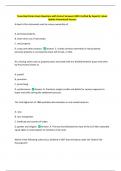
,1. A 19-year-old male client who has sustained a severe head injury is
q q q q q q q q q q q
q intubated and placed on assisted mechanical ventilation. To facilitate optimal
q q q q q q q q q
q ventilation and prevent the client from "fighting" the ventilator, the healthq q q q q q q q q
q care provider administers
q q pancuronium bromide IV,
with adjunctive opioid analgesia. What medication should q q
q be immediately accessible for a potential complication with
q q q q q q q this
q drug?
A. Dantrolene sodium q
B. Neostigmine bromide q
C. Succinylcholine bromide q q
D. Epinephrine
Answer>>> B. Neostigmine bromide q q q q
Neostigmine bromide and atropine sulfate, both anticholinergic drugs, reverse the respiratory muscle paralysis caused by pancuronium
q q q q q q q q q q q q q q q
bromide. Options A, C, and D are not antagonists to pancuronium bromide and would not be helpful in reversing the ettects of the
q q q q q q q q q q q q q q q q q q q q q q q
q drug compared with the use of anticholinergics.
q q q q q q
2. A client with viral influenza is receiving vitamin C, 1000 mg PO daily, and
q q q q q q q q q q q q q
q acetaminophen elixir, 650 mg PO every 4 hours PRN. Thenurse calls thehealth care
q q q q q q q q q q q q
q provider to report that the client has developed diarrhea. Which change in
q q q q q q q q q q
q prescriptions should the nurse anticipate? q q q q
A. Change the acetaminophen to ibuprofen.
q q
B. Change the elixir to an injectable route.
q q q q q q
C. Decrease the dose of vitamin C. q q q q q
D. Begin treatment with an antibiotic.
q q q q
qAnswer>>> C.Decreasethedoseofvitamin C. q b
3. Whenprovidingnursingcare for a clientreceiving pyridostigmine bromide for
q q q q q q q q q q
q myasthenia gravis, which nursing intervention has the highest priority?
q q q q q q q q
,A. Monitor the client frequently for urinary retention.
q q q q q q
B. Assess respiratory status and breath sounds often.
q q q q q q
C. Monitor blood pressure each shift to screen for hypertension.
q q q q q q q q
D. Administer most medications after meals to decrease gastrointestinal irrita-
q q q q q q q q
q tion.
Answer>>> B. Assess respiratory status and breath sounds often.
q q q q q q q q q
, 4. A client with a dislocated shoulder is being prepared for a closed manual re- duction
q q q q q q q q q q q q q q
q using conscious sedation. Which medication should the nurse explain as a sedative
q q q q q q q q q q q
q used during the procedure?
q q q
A. Inhaled nitrous oxide q q
q B.Midazolam IV q
C. Ketamine IM q
D. Fentanyl and droperidol IM q q q
Answer>>> B.MidazolamIV
q q
5. A client is being discharged with a prescription for sulfasalazine to treat ulcerative
q q q q q q q q q q q q
q colitis. Which instruction should the nurse provide to this client prior to
q q q q q q q q q q q
discharge?
q
A. Maintain good oral hygiene. q q q
B. Take the medication 30 minutes before a meal.
q q q q q q q
C. Discontinue use of the drug gradually. q q q q q
D. Drink at least eight glasses of fluid a day.
q q q q q q q q
q Answer>>> D. Drink at least eight glasses of fluid a day.
q q q q q q q q q q q
6. The health care provider prescribes carbamazepine for a child whose ton- ic-clonic
q q q q q q q q q q q
q seizures have been poorly controlled. The nurse informs the mother
q q q q q q q q q
that the child must have blood tests every week. The mother asks why so many
q q q q q q q q q q q q q q
q blood tests are necessary. Which complication is assessed through frequent
q q q q q q q q q
q laboratory testing that the nurse should explain to this mother?
q q q q q q q q q
A. Nephrotoxicity
B. Ototoxicity
C. Myelosuppression
D. D.Hepatotoxicity
q q q
HESI Pharmacology Evolve Exam Questions and
q q q q q
Answers (2025/2026) (Verified Answers)
q q q q
Studypark
HESI Pharmacology
q
Evolve Examq
Questions and Answers (2025/2026)
q q q
Verified Answers q
,1. A 19-year-old male client who has sustained a severe head injury is
q q q q q q q q q q q
q intubated and placed on assisted mechanical ventilation. To facilitate optimal
q q q q q q q q q
q ventilation and prevent the client from "fighting" the ventilator, the healthq q q q q q q q q
q care provider administers
q q pancuronium bromide IV,
with adjunctive opioid analgesia. What medication should q q
q be immediately accessible for a potential complication with
q q q q q q q this
q drug?
A. Dantrolene sodium q
B. Neostigmine bromide q
C. Succinylcholine bromide q q
D. Epinephrine
Answer>>> B. Neostigmine bromide q q q q
Neostigmine bromide and atropine sulfate, both anticholinergic drugs, reverse the respiratory muscle paralysis caused by pancuronium
q q q q q q q q q q q q q q q
bromide. Options A, C, and D are not antagonists to pancuronium bromide and would not be helpful in reversing the ettects of the
q q q q q q q q q q q q q q q q q q q q q q q
q drug compared with the use of anticholinergics.
q q q q q q
2. A client with viral influenza is receiving vitamin C, 1000 mg PO daily, and
q q q q q q q q q q q q q
q acetaminophen elixir, 650 mg PO every 4 hours PRN. Thenurse calls thehealth care
q q q q q q q q q q q q
q provider to report that the client has developed diarrhea. Which change in
q q q q q q q q q q
q prescriptions should the nurse anticipate? q q q q
A. Change the acetaminophen to ibuprofen.
q q
B. Change the elixir to an injectable route.
q q q q q q
C. Decrease the dose of vitamin C. q q q q q
D. Begin treatment with an antibiotic.
q q q q
qAnswer>>> C.Decreasethedoseofvitamin C. q b
3. Whenprovidingnursingcare for a clientreceiving pyridostigmine bromide for
q q q q q q q q q q
q myasthenia gravis, which nursing intervention has the highest priority?
q q q q q q q q
,A. Monitor the client frequently for urinary retention.
q q q q q q
B. Assess respiratory status and breath sounds often.
q q q q q q
C. Monitor blood pressure each shift to screen for hypertension.
q q q q q q q q
D. Administer most medications after meals to decrease gastrointestinal irrita-
q q q q q q q q
q tion.
Answer>>> B. Assess respiratory status and breath sounds often.
q q q q q q q q q
, 4. A client with a dislocated shoulder is being prepared for a closed manual re- duction
q q q q q q q q q q q q q q
q using conscious sedation. Which medication should the nurse explain as a sedative
q q q q q q q q q q q
q used during the procedure?
q q q
A. Inhaled nitrous oxide q q
q B.Midazolam IV q
C. Ketamine IM q
D. Fentanyl and droperidol IM q q q
Answer>>> B.MidazolamIV
q q
5. A client is being discharged with a prescription for sulfasalazine to treat ulcerative
q q q q q q q q q q q q
q colitis. Which instruction should the nurse provide to this client prior to
q q q q q q q q q q q
discharge?
q
A. Maintain good oral hygiene. q q q
B. Take the medication 30 minutes before a meal.
q q q q q q q
C. Discontinue use of the drug gradually. q q q q q
D. Drink at least eight glasses of fluid a day.
q q q q q q q q
q Answer>>> D. Drink at least eight glasses of fluid a day.
q q q q q q q q q q q
6. The health care provider prescribes carbamazepine for a child whose ton- ic-clonic
q q q q q q q q q q q
q seizures have been poorly controlled. The nurse informs the mother
q q q q q q q q q
that the child must have blood tests every week. The mother asks why so many
q q q q q q q q q q q q q q
q blood tests are necessary. Which complication is assessed through frequent
q q q q q q q q q
q laboratory testing that the nurse should explain to this mother?
q q q q q q q q q
A. Nephrotoxicity
B. Ototoxicity
C. Myelosuppression
D. D.Hepatotoxicity