Service provider logistics
,Inhoudsopgave
§1.A: Course basics and module objectives .......................................................................................... 3
§1.B: Third-party logistics ........................................................................................................................... 4
§1.C: Implementation plan........................................................................................................................... 6
§1.D: Stakeholders ...................................................................................................................................... 10
§1.E: Baggage system ................................................................................................................................ 11
SPL week 2: ............................................................................................................................................... 14
§2.A: Capacity planning – sales and operations planning................................................................ 14
§2.B.A: Master production schedule ...................................................................................................... 16
§2.B.B: Capacity planning #2 ................................................................................................................... 19
§2.C: Capacity planning #3 ....................................................................................................................... 20
§2.D: Capacity planning #4 ....................................................................................................................... 23
§2.E: Capacity planning #5 ........................................................................................................................ 24
SPL week 3 ................................................................................................................................................ 26
§3.A: Warehousing in aviation ................................................................................................................. 26
§3.B: Warehousing in aviation #2 ............................................................................................................ 27
§3.C: Warehousing in aviation #3 ............................................................................................................ 29
§3.D: Warehousing in aviation #4 ............................................................................................................ 30
Week 4: Air Cargo Business ................................................................................................................... 32
§4.A: Global air cargo market and business drivers .......................................................................... 32
§4.B: Cargo facts & figures ....................................................................................................................... 33
§4.C: Route development and capacity ................................................................................................. 34
§4.D: Cargo trends and challenges ......................................................................................................... 35
Week 5: Air cargo operations ................................................................................................................. 36
§5.A: Cargo build-up ................................................................................................................................... 36
§5.B & 5.C: Cargo revenue management & allocations and Ad-hoc bookings ........................... 37
§5.D: Cold chain cargo ............................................................................................................................... 39
Week 6: Air cargo supply chain ............................................................................................................. 40
§6.A: Strategic warehousing in aviation ................................................................................................ 40
§6.B: special warehousing in aviation ................................................................................................... 42
§6.C: Equipment and infrastructure at airside ..................................................................................... 43
Week 7: Risk management ...................................................................................................................... 44
§7.A: Introduction to hazard analysis methods ................................................................................... 44
§7.B: Functional hazard assessment (FHA) ......................................................................................... 45
,SPL week 1
§1.A: Course basics and module objectives
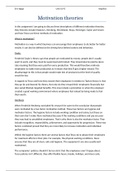
The first video covers the basics of the module, starting off with 7 objectives, the
objectives cover both the SPL and the GHB module, with specific elements dividing
the two modules. The objectives are listed in the image below:
Image 1: Module objectives SPL-GHB
In order to gain a better understanding of the SPL-GHB module, a few questions
have been set up which you should be able to answer after the final
lectures/workshops. These questions are listed below:
- How many screeners for baggage and check in personnel do you need at
what time?
- How many opened baggage drop off points and security counters are
required?
- How do you design and size a baggage handling facility?
- What is the end-to-end cargo supply chain?
- Who are the important stakeholders in the cargo supply chain?
- What are the main challenges to the cargo warehouse in the cargo supply
chain?
- How do you ensure safe and secure operations in the airport?
, The course structure is very straightforward:
Recordings of the lectures are uploaded to Brightspace, followed by a 50-minute
Q&A. Furthermore, you will find a SPL and GHB workshop throughout the week.
The exam is a written exam for 100% of your final grade.
There are three books associated with the SPL-GHB module:
- Operation Management by Slack, Brandon-Jones and Johnston.
- Highly competitive warehouse management by JP van den Berg.
- Aviation Logistics by M Sales
§1.B: Third-party logistics
Third-party logistics is a company’s use of other businesses to perform parts of its
operations or other business functions. Third-party logistics providers typically
specialize in integrated operation, warehousing and transportation services.
This is part of the greater outsourcing done by many companies.
Outsourcing is buying goods or services rather than producing goods or performing
services within the organization. Companies do this to reduce overhead, to gain
flexibility or to take advantage of the supplier’s expertise.
A third-party logistic relationship is a form of business. Process outsourcing focused
on the strategic operation of the client’s supply chain. Enterprises may contract with a
number of 3PL’s to manage specific traffic segments or customer bases. Or they can
outsource their entire supply chain.
There are many reasons to outsource for a company, some are listed below:
- Access to the expertise of the outsourced company
- Ability to focus on core processes
- Better capacity management
- Saving of valuable time
- Technology know-how
- Transfer of risk to the outsourced company
- Could be cost saving
Outsourcing does cost money, due to the fact that you are paying a company money
to do your work. However, you do not need to train your own personnel or warehouse
your own technology.
You are able to outsource entire functions or elements of functions:
Entire functions may include HR, IT, facilities, real estate management or accounting.
Elements of functions may include marketing department – tele marketing, web
development or market research.
Within operations you may include computer aided design (CAD), drafting,
manufacturing, engineering, customer support or call center functions.
,Inhoudsopgave
§1.A: Course basics and module objectives .......................................................................................... 3
§1.B: Third-party logistics ........................................................................................................................... 4
§1.C: Implementation plan........................................................................................................................... 6
§1.D: Stakeholders ...................................................................................................................................... 10
§1.E: Baggage system ................................................................................................................................ 11
SPL week 2: ............................................................................................................................................... 14
§2.A: Capacity planning – sales and operations planning................................................................ 14
§2.B.A: Master production schedule ...................................................................................................... 16
§2.B.B: Capacity planning #2 ................................................................................................................... 19
§2.C: Capacity planning #3 ....................................................................................................................... 20
§2.D: Capacity planning #4 ....................................................................................................................... 23
§2.E: Capacity planning #5 ........................................................................................................................ 24
SPL week 3 ................................................................................................................................................ 26
§3.A: Warehousing in aviation ................................................................................................................. 26
§3.B: Warehousing in aviation #2 ............................................................................................................ 27
§3.C: Warehousing in aviation #3 ............................................................................................................ 29
§3.D: Warehousing in aviation #4 ............................................................................................................ 30
Week 4: Air Cargo Business ................................................................................................................... 32
§4.A: Global air cargo market and business drivers .......................................................................... 32
§4.B: Cargo facts & figures ....................................................................................................................... 33
§4.C: Route development and capacity ................................................................................................. 34
§4.D: Cargo trends and challenges ......................................................................................................... 35
Week 5: Air cargo operations ................................................................................................................. 36
§5.A: Cargo build-up ................................................................................................................................... 36
§5.B & 5.C: Cargo revenue management & allocations and Ad-hoc bookings ........................... 37
§5.D: Cold chain cargo ............................................................................................................................... 39
Week 6: Air cargo supply chain ............................................................................................................. 40
§6.A: Strategic warehousing in aviation ................................................................................................ 40
§6.B: special warehousing in aviation ................................................................................................... 42
§6.C: Equipment and infrastructure at airside ..................................................................................... 43
Week 7: Risk management ...................................................................................................................... 44
§7.A: Introduction to hazard analysis methods ................................................................................... 44
§7.B: Functional hazard assessment (FHA) ......................................................................................... 45
,SPL week 1
§1.A: Course basics and module objectives
The first video covers the basics of the module, starting off with 7 objectives, the
objectives cover both the SPL and the GHB module, with specific elements dividing
the two modules. The objectives are listed in the image below:
Image 1: Module objectives SPL-GHB
In order to gain a better understanding of the SPL-GHB module, a few questions
have been set up which you should be able to answer after the final
lectures/workshops. These questions are listed below:
- How many screeners for baggage and check in personnel do you need at
what time?
- How many opened baggage drop off points and security counters are
required?
- How do you design and size a baggage handling facility?
- What is the end-to-end cargo supply chain?
- Who are the important stakeholders in the cargo supply chain?
- What are the main challenges to the cargo warehouse in the cargo supply
chain?
- How do you ensure safe and secure operations in the airport?
, The course structure is very straightforward:
Recordings of the lectures are uploaded to Brightspace, followed by a 50-minute
Q&A. Furthermore, you will find a SPL and GHB workshop throughout the week.
The exam is a written exam for 100% of your final grade.
There are three books associated with the SPL-GHB module:
- Operation Management by Slack, Brandon-Jones and Johnston.
- Highly competitive warehouse management by JP van den Berg.
- Aviation Logistics by M Sales
§1.B: Third-party logistics
Third-party logistics is a company’s use of other businesses to perform parts of its
operations or other business functions. Third-party logistics providers typically
specialize in integrated operation, warehousing and transportation services.
This is part of the greater outsourcing done by many companies.
Outsourcing is buying goods or services rather than producing goods or performing
services within the organization. Companies do this to reduce overhead, to gain
flexibility or to take advantage of the supplier’s expertise.
A third-party logistic relationship is a form of business. Process outsourcing focused
on the strategic operation of the client’s supply chain. Enterprises may contract with a
number of 3PL’s to manage specific traffic segments or customer bases. Or they can
outsource their entire supply chain.
There are many reasons to outsource for a company, some are listed below:
- Access to the expertise of the outsourced company
- Ability to focus on core processes
- Better capacity management
- Saving of valuable time
- Technology know-how
- Transfer of risk to the outsourced company
- Could be cost saving
Outsourcing does cost money, due to the fact that you are paying a company money
to do your work. However, you do not need to train your own personnel or warehouse
your own technology.
You are able to outsource entire functions or elements of functions:
Entire functions may include HR, IT, facilities, real estate management or accounting.
Elements of functions may include marketing department – tele marketing, web
development or market research.
Within operations you may include computer aided design (CAD), drafting,
manufacturing, engineering, customer support or call center functions.