Page 1 of 14
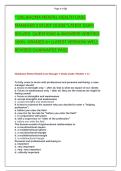
“2026 HESI MATERNITY OB EXAM VERSION 2
EXAM ”LATEST EXAM SOLVED QUESTIONS &
ANSWERS VERIFIED 100% GRADED A+
(LATEST VERSION) WELL REVISED GUARANTEE
PASS
2026 HESI MATERNITY OB EXAM VERSION 2
1. The nurse is providing care for a newborn who was delivered vaginally
assisted by forceps.
The nurseobserves red marks on the head with swelling that does not cross
the suture line.
Which condition should the nurse documents in the medical record?
A. Caput succedaneum
B. Hydrocephalus
C. Cephalhematoma
D. Microcephaly
C. Cephalhematoma
2. A client at 34 weeks gestation comes to the birthing center complaining of
vaginal bleeding
that began one hour ago. The nurse assessment reveals approximately 30ML
of bright red
vaginal bleeding. Fetal rate of 130 - 140 beats per minute, no contractions and
no
, Page 2 of 14
complaints of pain what is the most likely cause of these client's bleeding.
A Abruptio Placenta
B. Placenta Previa
C. Normal bloody show indicting induction of labor
D. A ruptured blood vessel in the vaginal vault.
B. Placenta Previa
3. A client at 30 weeks gestation reports that she has not felt the baby move in
the last 24 hours. Concerned she arrives in a panic at the obstetric clinic
where she is immediately sent to the hospital. which assessment warrants
immediate intervention by the nurse?
A. Fetal Heart rate 60 beats per minute
B. Ruptured amniotic membrane
C. onset of uterine contractions
D. leaking amniotic fluid.
A. Fetal Heart rate 60 beats per minute
4. A client at 37 weeks gestation presents to labor and delivery with
contractions every two
minutesthe nurse observes several shallow small vesicles on her pubis labia
and
perineum. the nurse should recognize the clients is prohibiting symptoms of
which
condition?
A Genital Warts
B. Syphilis
C. Herpes Simplex Virus
D. German Measles
C. Herpes Simplex Virus
5. The nurse is planning care for a client at 30 weeks gestation who is
experiencing preterm labor which maternity prescription is most important in
preventing this fetus from developing respiratory distress syndrome.
A. Ampicillin 1 gram IV push q8h
B. Betamethasone 12 mg deep IM
C. Terbutaline 0.25 mg subcutaneously q 15 minutes X 3
D. Butorphanol tartrate 1mg IV push q2h PRN.
“2026 HESI MATERNITY OB EXAM VERSION 2
EXAM ”LATEST EXAM SOLVED QUESTIONS &
ANSWERS VERIFIED 100% GRADED A+
(LATEST VERSION) WELL REVISED GUARANTEE
PASS
2026 HESI MATERNITY OB EXAM VERSION 2
1. The nurse is providing care for a newborn who was delivered vaginally
assisted by forceps.
The nurseobserves red marks on the head with swelling that does not cross
the suture line.
Which condition should the nurse documents in the medical record?
A. Caput succedaneum
B. Hydrocephalus
C. Cephalhematoma
D. Microcephaly
C. Cephalhematoma
2. A client at 34 weeks gestation comes to the birthing center complaining of
vaginal bleeding
that began one hour ago. The nurse assessment reveals approximately 30ML
of bright red
vaginal bleeding. Fetal rate of 130 - 140 beats per minute, no contractions and
no
, Page 2 of 14
complaints of pain what is the most likely cause of these client's bleeding.
A Abruptio Placenta
B. Placenta Previa
C. Normal bloody show indicting induction of labor
D. A ruptured blood vessel in the vaginal vault.
B. Placenta Previa
3. A client at 30 weeks gestation reports that she has not felt the baby move in
the last 24 hours. Concerned she arrives in a panic at the obstetric clinic
where she is immediately sent to the hospital. which assessment warrants
immediate intervention by the nurse?
A. Fetal Heart rate 60 beats per minute
B. Ruptured amniotic membrane
C. onset of uterine contractions
D. leaking amniotic fluid.
A. Fetal Heart rate 60 beats per minute
4. A client at 37 weeks gestation presents to labor and delivery with
contractions every two
minutesthe nurse observes several shallow small vesicles on her pubis labia
and
perineum. the nurse should recognize the clients is prohibiting symptoms of
which
condition?
A Genital Warts
B. Syphilis
C. Herpes Simplex Virus
D. German Measles
C. Herpes Simplex Virus
5. The nurse is planning care for a client at 30 weeks gestation who is
experiencing preterm labor which maternity prescription is most important in
preventing this fetus from developing respiratory distress syndrome.
A. Ampicillin 1 gram IV push q8h
B. Betamethasone 12 mg deep IM
C. Terbutaline 0.25 mg subcutaneously q 15 minutes X 3
D. Butorphanol tartrate 1mg IV push q2h PRN.