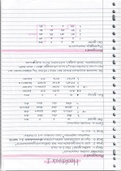
Enrichment Comp 1 10/22/25
Standards of care
⚖️ Accountability
This is the principle of being answerable for your own actions and decisions. As a nurse,
you are responsible for the care you provide (or fail to provide) and must be able to justify
your choices professionally, ethically, and legally.
❤️ Beneficence
This means "doing good." It's the duty to act in the best interest of your patients and to
actively promote their health and well-being. An example is providing pain medication to a
post-operative patient to ease their suffering.
🤝 Fidelity
This means being faithful, loyal, and true to your commitments. In nursing, this includes
keeping promises made to patients (like saying "I'll be back in 10 minutes" and actually
returning), maintaining confidentiality, and upholding the profession's code of ethics.
�홌 Veracity
This is the principle of truthfulness. It means being honest with patients about their
condition, treatment, and any errors that may have occurred. Veracity is essential for
building trust.
⚖️ Justice
This is the duty to be fair and equitable in the treatment of all patients. It means
distributing care, resources (like time or supplies), and treatment equally, regardless of a
patient's age, race, financial status, or other personal characteristics.
🚫 Nonmaleficence
This is the fundamental duty to "do no harm." This means avoiding actions that could
intentionally or unintentionally hurt a patient. This includes not only physical harm but
also emotional or psychological harm. (Example: Double-checking medication doses to
prevent an error).
🙋 Autonomy
This is the principle of respecting a patient's right to self-determination. Patients have
the right to make their own informed decisions about their healthcare, including the right
, to accept or refuse treatment, as long as they have the capacity to do so. Your job is to
provide them with the information they need to make that cho
Legal issues
-intentional tort (done on purpose to cause harm to another person
Assault, battery, false imprisonment, defamation (libel, slander, truth, privilege)
-unintentional tort
Unintentionally causing personal injury/harm (negligence most common)
Malpractice (intentionally negligent action) vs. Negligence (avoidable but intentional
mistake)
Informed consent
– implies patient has sufficient info to understand
Physician role-
Nurse role -
*minors can sign if living as adult (married, have baby, living alone
independent from family)
Root cause flow diagram
-Used to discover cause of incident and solution to prevent any future error/sentinel
event (cause pt harm or death). Used to investigate/categorize/identify root cause of events
leading to the error
Steps:
Define problem
Gather data
Identify causal factors
Determine root cause
Develop solution
Monitor/evaluate
Herpes Zoster – (shingles) same virus cause chickenpox.
s/s: painful/itchy blister on skin, disseminated widespread lesion. Not curable, can
remain dormant
*disseminated herpes zoster require airborne/contact until lesion crusted over.
Treat w/Valcyclovir (Valtrex). Need dedicated equipment in room
KNOW VITAL SIGN NORMS! Focus on pulse/BP/respirations
Wounds/Drainage
Types:
Serous-clear, thin, watery fluid
Serosanguineous-thin/watery w/light red/pink
Sanguineous-brithg red, fresh blood (may be hemmorhagic)
Standards of care
⚖️ Accountability
This is the principle of being answerable for your own actions and decisions. As a nurse,
you are responsible for the care you provide (or fail to provide) and must be able to justify
your choices professionally, ethically, and legally.
❤️ Beneficence
This means "doing good." It's the duty to act in the best interest of your patients and to
actively promote their health and well-being. An example is providing pain medication to a
post-operative patient to ease their suffering.
🤝 Fidelity
This means being faithful, loyal, and true to your commitments. In nursing, this includes
keeping promises made to patients (like saying "I'll be back in 10 minutes" and actually
returning), maintaining confidentiality, and upholding the profession's code of ethics.
�홌 Veracity
This is the principle of truthfulness. It means being honest with patients about their
condition, treatment, and any errors that may have occurred. Veracity is essential for
building trust.
⚖️ Justice
This is the duty to be fair and equitable in the treatment of all patients. It means
distributing care, resources (like time or supplies), and treatment equally, regardless of a
patient's age, race, financial status, or other personal characteristics.
🚫 Nonmaleficence
This is the fundamental duty to "do no harm." This means avoiding actions that could
intentionally or unintentionally hurt a patient. This includes not only physical harm but
also emotional or psychological harm. (Example: Double-checking medication doses to
prevent an error).
🙋 Autonomy
This is the principle of respecting a patient's right to self-determination. Patients have
the right to make their own informed decisions about their healthcare, including the right
, to accept or refuse treatment, as long as they have the capacity to do so. Your job is to
provide them with the information they need to make that cho
Legal issues
-intentional tort (done on purpose to cause harm to another person
Assault, battery, false imprisonment, defamation (libel, slander, truth, privilege)
-unintentional tort
Unintentionally causing personal injury/harm (negligence most common)
Malpractice (intentionally negligent action) vs. Negligence (avoidable but intentional
mistake)
Informed consent
– implies patient has sufficient info to understand
Physician role-
Nurse role -
*minors can sign if living as adult (married, have baby, living alone
independent from family)
Root cause flow diagram
-Used to discover cause of incident and solution to prevent any future error/sentinel
event (cause pt harm or death). Used to investigate/categorize/identify root cause of events
leading to the error
Steps:
Define problem
Gather data
Identify causal factors
Determine root cause
Develop solution
Monitor/evaluate
Herpes Zoster – (shingles) same virus cause chickenpox.
s/s: painful/itchy blister on skin, disseminated widespread lesion. Not curable, can
remain dormant
*disseminated herpes zoster require airborne/contact until lesion crusted over.
Treat w/Valcyclovir (Valtrex). Need dedicated equipment in room
KNOW VITAL SIGN NORMS! Focus on pulse/BP/respirations
Wounds/Drainage
Types:
Serous-clear, thin, watery fluid
Serosanguineous-thin/watery w/light red/pink
Sanguineous-brithg red, fresh blood (may be hemmorhagic)