EMPLOYMENT LAW – WGU BUSINESS
PROGRAMS (WGU-EL) | QUIZ & STUDY NOTES
UPDATE 2026
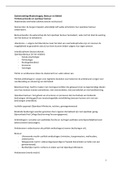
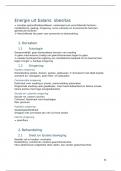
Employment Law: 1.1
• Law is a set of rules for human behavior which are established by legitimate authority,
and which have a binding force.
• Precedent: a controlling rule, example, or guide—which provided a framework for other
judges to follow in deciding later cases.
• The doctrine of a court following the precedent of an earlier court is known as stare decisis.
• The power of the Supreme Court to consider whether a law comports with the Constitution
is called Judicial Review.
• The Constitution has two main functions: First, it establishes the three branches of the federal
government and allocates the division of powers between them. Second, and more
importantly for the employment law context, the Constitution enumerates fundamental rights
– the Bill of Rights – of citizens and protects them from the government’s ability to restrict
those rights.
• The three branches of the federal government are the Legislative Branch, the Executive
Branch and the Judicial Branch.
• The legislative branch is made up of the two houses of Congress—the Senate and the House of
Representatives. These bodies are tasked by the Constitution to make laws for the “general
welfare” of the people. The executive branch is composed of the President and other
executive leaders, such as the Vice-President and the Cabinet. The President and the Vice-
President are elected by the people, while cabinet members, who lead major departments in
the federal government, are appointed by the President. The executive branch conducts
foreign affairs and ensures that sound laws are created and enforced. The judicial branch, is
the court system of the country and is comprised of the United States Supreme Court and
other federal courts. Through actual legal controversies, the courts explain and define the
meaning of the Constitution and laws passed by Congress. The Supreme Court is the highest
court in the land and its decisions are final.
• 1963: Congress drafted legislation to eliminate employee discrimination.
• Civil Rights Act of 1964. Equal Employment Opportunity Commission (EEOC) ensures the
Civil Rights Act of 1964 is enforced.
• The Constitution contains a Supremacy Clause, which mandates that the Constitution,
federal law, treaties, and federal regulations are the highest laws of the land and have
priority over state law.
1.2
• Agency is a contractual relationship (a legally binding agreement) between a principal
and an agent whereby the principal, expressly or implicitly, authorizes the agent to work
, on his or her behalf and with the power to bind the principal.
• Tort (a civil wrong which causes someone harm) for the acts or omissions of the employee.
• This is known as vicarious liability, a concept which grew out of the doctrine of respondeat
superior – “let the master answer for the servant.” Under respondeat superior doctrine,
an employer is only responsible for the employee action performed within the scope of
employment.
, • Scope of employment involves employee conduct which is reasonably relative to a
job description and foreseeable by the employer as part of that job description.
• Frolic and detour: An employee’s physical departure from the job in order to further
their own interest and not the employers.
• Going and coming rule: a legal principle that removes an employer’s liability from
the employee’s actions going to and from their place of employment.
• Dual purpose mission: occurs when an employee conducts personal and work business
at the same time: subjecting the employer to liability for the employee’s action.
1.3
• Independent Contractor: A worker who is not subject to wage, discrimination, tax,
or liability laws.
• Tests to determine if a worker is an employee or independent contractor: 1. Common law
agency test; 2. Economic realities test;3. IRS 20-factor analysis.
• Common law agency test, a worker is an employee if the employer maintains the right
to control the method of work performed.
• Economic realities test seeks to look past technical, common-law concepts of the
master/servant relationship to determine whether the “economic reality” of a
working relationship renders a worker substantially dependent on a given employer.
Does the worker have little freedom to exit the relationship.
Courts that have applied the economic reality test look at the following:
1. the degree of control exerted by the alleged employer over the worker;
2. the worker's opportunity for profit or loss;
3. the worker's investment in the business;
4. the permanence of the working relationship;
5. the degree of skill required to perform the work; and
6. the extent to which the work is an integral part of the alleged employer's business.3
• 20-factor analysis as a guide to employers in determining if workers are indeed
independent contractors.
A human resource professional must recognize when an employment law is applicable to the
employer and its employees. An HR professional could use the following steps to determine if
a law applies to a workplace situation:
1. The first step is determining which federal employment statutes apply to the firm. Some
federal laws apply to all employers regardless of size. Such is the case of the USERRA,
(Uniformed Services Employment and Reemployment Rights Act), and the NLRA, (National
Labor Relations Act). Others have application only if a firm has a specified number of
employees. For example, Title VII applies to firms with fifteen or more
, employees, while the ADEA, (Age Discrimination in Employment Act), requires twenty and
and the IRCA, (Immigration Reform and Control Act), four.
2. The second step would be to determine if the employer does contract work for a federal
or state government. If that were the case, then Affirmative Action rules and other state
mandates would apply.
3. Third, after assessing which federal laws apply, the HR professional must look to state law.
Usually state law mirrors the federal law, but often the rules in a given state are more
strict than federal law, as is the case with most California and New York state employment
law. Many states have same-sex discrimination protections, while the federal government
does not. Utah has an anti-discrimination law that applies to firms with 15 or more
employees, which expressly revokes any common law employment protections. Michigan
protects employees from weight discrimination.
4. The final step would be to understand which common law rules apply in the state
where the business operates.
1.4
• The definition of an employer is straightforward: an entity that employs another to work on
his or her behalf for pay.
• For employment law purposes, however, an important issue is employer size. For example, in
order for the Age Discrimination in Employment Act to apply, an employer must have at least
20 employees.1 For large employers the determination of size is clear. However, sometimes
an employer that does not appear to have the minimum number of employees to meet the
statutory requirement may still be covered if the firm is part of an integrated enterprise.
• Integrated enterprise is one in which the operations of two or more employers are
considered so intertwined that they can be considered a single employer for purposes of both
federal statutory coverage and liability – an important consideration.
Factors, which are considered in whether two or more firms constitute an
integrated enterprise for employment law purposes, are:
PROGRAMS (WGU-EL) | QUIZ & STUDY NOTES
UPDATE 2026
Employment Law: 1.1
• Law is a set of rules for human behavior which are established by legitimate authority,
and which have a binding force.
• Precedent: a controlling rule, example, or guide—which provided a framework for other
judges to follow in deciding later cases.
• The doctrine of a court following the precedent of an earlier court is known as stare decisis.
• The power of the Supreme Court to consider whether a law comports with the Constitution
is called Judicial Review.
• The Constitution has two main functions: First, it establishes the three branches of the federal
government and allocates the division of powers between them. Second, and more
importantly for the employment law context, the Constitution enumerates fundamental rights
– the Bill of Rights – of citizens and protects them from the government’s ability to restrict
those rights.
• The three branches of the federal government are the Legislative Branch, the Executive
Branch and the Judicial Branch.
• The legislative branch is made up of the two houses of Congress—the Senate and the House of
Representatives. These bodies are tasked by the Constitution to make laws for the “general
welfare” of the people. The executive branch is composed of the President and other
executive leaders, such as the Vice-President and the Cabinet. The President and the Vice-
President are elected by the people, while cabinet members, who lead major departments in
the federal government, are appointed by the President. The executive branch conducts
foreign affairs and ensures that sound laws are created and enforced. The judicial branch, is
the court system of the country and is comprised of the United States Supreme Court and
other federal courts. Through actual legal controversies, the courts explain and define the
meaning of the Constitution and laws passed by Congress. The Supreme Court is the highest
court in the land and its decisions are final.
• 1963: Congress drafted legislation to eliminate employee discrimination.
• Civil Rights Act of 1964. Equal Employment Opportunity Commission (EEOC) ensures the
Civil Rights Act of 1964 is enforced.
• The Constitution contains a Supremacy Clause, which mandates that the Constitution,
federal law, treaties, and federal regulations are the highest laws of the land and have
priority over state law.
1.2
• Agency is a contractual relationship (a legally binding agreement) between a principal
and an agent whereby the principal, expressly or implicitly, authorizes the agent to work
, on his or her behalf and with the power to bind the principal.
• Tort (a civil wrong which causes someone harm) for the acts or omissions of the employee.
• This is known as vicarious liability, a concept which grew out of the doctrine of respondeat
superior – “let the master answer for the servant.” Under respondeat superior doctrine,
an employer is only responsible for the employee action performed within the scope of
employment.
, • Scope of employment involves employee conduct which is reasonably relative to a
job description and foreseeable by the employer as part of that job description.
• Frolic and detour: An employee’s physical departure from the job in order to further
their own interest and not the employers.
• Going and coming rule: a legal principle that removes an employer’s liability from
the employee’s actions going to and from their place of employment.
• Dual purpose mission: occurs when an employee conducts personal and work business
at the same time: subjecting the employer to liability for the employee’s action.
1.3
• Independent Contractor: A worker who is not subject to wage, discrimination, tax,
or liability laws.
• Tests to determine if a worker is an employee or independent contractor: 1. Common law
agency test; 2. Economic realities test;3. IRS 20-factor analysis.
• Common law agency test, a worker is an employee if the employer maintains the right
to control the method of work performed.
• Economic realities test seeks to look past technical, common-law concepts of the
master/servant relationship to determine whether the “economic reality” of a
working relationship renders a worker substantially dependent on a given employer.
Does the worker have little freedom to exit the relationship.
Courts that have applied the economic reality test look at the following:
1. the degree of control exerted by the alleged employer over the worker;
2. the worker's opportunity for profit or loss;
3. the worker's investment in the business;
4. the permanence of the working relationship;
5. the degree of skill required to perform the work; and
6. the extent to which the work is an integral part of the alleged employer's business.3
• 20-factor analysis as a guide to employers in determining if workers are indeed
independent contractors.
A human resource professional must recognize when an employment law is applicable to the
employer and its employees. An HR professional could use the following steps to determine if
a law applies to a workplace situation:
1. The first step is determining which federal employment statutes apply to the firm. Some
federal laws apply to all employers regardless of size. Such is the case of the USERRA,
(Uniformed Services Employment and Reemployment Rights Act), and the NLRA, (National
Labor Relations Act). Others have application only if a firm has a specified number of
employees. For example, Title VII applies to firms with fifteen or more
, employees, while the ADEA, (Age Discrimination in Employment Act), requires twenty and
and the IRCA, (Immigration Reform and Control Act), four.
2. The second step would be to determine if the employer does contract work for a federal
or state government. If that were the case, then Affirmative Action rules and other state
mandates would apply.
3. Third, after assessing which federal laws apply, the HR professional must look to state law.
Usually state law mirrors the federal law, but often the rules in a given state are more
strict than federal law, as is the case with most California and New York state employment
law. Many states have same-sex discrimination protections, while the federal government
does not. Utah has an anti-discrimination law that applies to firms with 15 or more
employees, which expressly revokes any common law employment protections. Michigan
protects employees from weight discrimination.
4. The final step would be to understand which common law rules apply in the state
where the business operates.
1.4
• The definition of an employer is straightforward: an entity that employs another to work on
his or her behalf for pay.
• For employment law purposes, however, an important issue is employer size. For example, in
order for the Age Discrimination in Employment Act to apply, an employer must have at least
20 employees.1 For large employers the determination of size is clear. However, sometimes
an employer that does not appear to have the minimum number of employees to meet the
statutory requirement may still be covered if the firm is part of an integrated enterprise.
• Integrated enterprise is one in which the operations of two or more employers are
considered so intertwined that they can be considered a single employer for purposes of both
federal statutory coverage and liability – an important consideration.
Factors, which are considered in whether two or more firms constitute an
integrated enterprise for employment law purposes, are: