Fundamentals Patient Care: Charles Peterson
Nicola Eisen
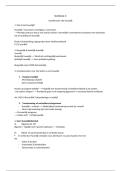
1. What neurological assessment findings would you anticipate for a patient who has
Parkinson’s Disease?
• Motor findings
o Resting tremor (often described as “pill-rolling”)
o Bradykinesia (slowness of movement)
o Muscle rigidity (cogwheel or lead-pipe rigidity)
o Postural instability and impaired balance
o Shuffling gait with short steps
o Decreased arm swing
o Difficulty initiating movement (freezing)
• Facial and speech changes
o Mask-like facial expression (hypomimia)
o Soft, monotone, or slurred speech (hypophonia, dysarthria)
o Decreased blinking
• Fine motor and coordination changes
o Micrographia (small, cramped handwriting)
o Difficulty with fine motor tasks (buttoning, writing)
o Reduced coordination
• Autonomic and sensory findings
o Orthostatic hypotension
o Excessive salivation
o Constipation
o Seborrhea
• Cognitive and mood changes
o Mild cognitive impairment or dementia
o Depression or anxiety
o Sleep disturbances
2. Your patient has Parkinson’s Disease and was admitted for a fall and possible closed
head injury.
Home Medications:
Carbidopa/Levodopa 25/100 mg PO TID
For each medication, describe the following:
• Mechanism of action
Nicola Eisen
1. What neurological assessment findings would you anticipate for a patient who has
Parkinson’s Disease?
• Motor findings
o Resting tremor (often described as “pill-rolling”)
o Bradykinesia (slowness of movement)
o Muscle rigidity (cogwheel or lead-pipe rigidity)
o Postural instability and impaired balance
o Shuffling gait with short steps
o Decreased arm swing
o Difficulty initiating movement (freezing)
• Facial and speech changes
o Mask-like facial expression (hypomimia)
o Soft, monotone, or slurred speech (hypophonia, dysarthria)
o Decreased blinking
• Fine motor and coordination changes
o Micrographia (small, cramped handwriting)
o Difficulty with fine motor tasks (buttoning, writing)
o Reduced coordination
• Autonomic and sensory findings
o Orthostatic hypotension
o Excessive salivation
o Constipation
o Seborrhea
• Cognitive and mood changes
o Mild cognitive impairment or dementia
o Depression or anxiety
o Sleep disturbances
2. Your patient has Parkinson’s Disease and was admitted for a fall and possible closed
head injury.
Home Medications:
Carbidopa/Levodopa 25/100 mg PO TID
For each medication, describe the following:
• Mechanism of action