TEST BANK Medical-Surgical Nursing: Focus on Clinical Judgment 3rd Edition by Honan
Chapter 1-55
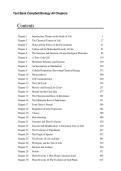
,Table of contents
Chapter 1 The nurse’s Role in Adult Health Nursing
Chapter 2 Health Education and Health Promotion
Chapter 3 Chronic Illness and End-of-Life Care
Chapter 4 Fluid and Electrolyte and Acid–Base Imbalances Chapter
5 Perioperative Nursing
Chapter 6 Cancer Care
Chapter 7 Pain Management
Chapter 8 Nursing Assessment: Respiratory Function
Chapter 9 Nursing Management: Patients with Upper Respiratory Tract Disorders
Chapter 10 Nursing Management: Patients with Chest and Lower Respiratory Tract Disorders
Chapter 11 Nursing Management of Patients Diagnosed with Chronic hObstructive Pulmonary
Disease and Asthma
Chapter 12 Nursing Assessment: Cardiovascular and Circulatory Function
Chapter 13 Nursing Management: Patients with Hypertension
Chapter 14 Nursing Management: Patients with Coronary Vascular Disorders Chapter
15 Nursing Management: Patients with Complications from Heart Disease
Chapter 16 Nursing Management: Patients with Structural, Inflammatory and Infectious
Cardiac Disorders
Chapter 17 Nursing Management: Patients with Arrhythmias and Conduction Problems
Chapter 18 Nursing Management: Patients with Vascular Disorders and Problems of
Peripheral Circulation
Chapter 19 Nursing Assessment: Hematologic Function
Chapter 20 Nursing Management: Patients with Hematologichdisorders
Chapter 21 Nursing Assessment: Digestive, Gastrointestinal, and Metabolic Function
Chapter 22 Nursing Management: Patients with Oral and Esophageal Disordershand Patients
,Receiving Gastrointestinal Intubation, Enteral, and Parenteral Nutrition
Chapter 23 Nursing Management: Patients with Gastric and Duodenal Disorders
Chapter 24 Nursing Management: Patients with Intestinal and Rectal Disorders
Chapter 25 Nursing Management: Patients with Hepatic and Biliary Disorders
Chapter 26 Nursing Assessment: Renal and Urinary Tract Function
Chapter 27 Nursing Management: Patients with Renal Disorders
Chapter 28 Nursing Management: Patients with Urinary Disorders
Chapter 29 Nursing Assessment: Endocrine Function
Chapter 30 Nursing Management: DiabeteshMellitus
Chapter 31 Nursing Management: Patients with Endocrine Disorders
Chapter 32 Nursing Assessment: Female and Male Reproductive Function
Chapter 33 Nursing Management: Patients with Breast and Female Reproductive Disorders
Chapter 34 Nursing Management: Patients with Male Reproductive Disorders
Chapter 35 Nursing Management: Patients with Sexually Transmitted Infections
Chapter 36 Nursing Assessment: Immune Function
Chapter 37 Nursing Management: Patients with Immunodeficiency, HIV Infection, and AIDS
Chapter 38 Nursing Management: Patients with Allergic Disorders
Chapter 39 Nursing Management: Patients with Rheumatic Disorders Chapter
40 Nursing Assessment: Musculoskeletal Function
Chapter 41 Nursing Management: Patients with Musculoskeletal Disorders
Chapter 42 Nursing Management: Patients with Musculoskeletal Trauma
Chapter 43 Nursing Assessment: Neurologic Function
Chapter 44 Nursing Management: Patients with Oncologic hDisorders of the Brain and Spinal Cord
Chapter 45 Nursing Management: Patients with NeurologichTrauma
,Chapter 46 Nursing Management: Patients with NeurologichDisorders
Chapter 47 Nursing Management: Patients with Cerebrovascular Disorders
Chapter 48 Nursing Assessment: Sensorineural Function
Chapter 49 Nursing Management: Patients with Eye and Vision Disorders
Chapter 50 Nursing Management: Patients with Hearing and Balance Disorders
Chapter 51 Nursing Assessment: Integumentary Function
Chapter 52 Nursing Management: Patients with Dermatologic Problems
Chapter 52 Nursing Management: Patients with Burn Injury
Chapter 53 Nursing Management: Shock and Multisystem Failure
Chapter 54 Nursing Management: Critical Care
Chapter 55 Nursing Management: Emergencies and Disasters
,Chapter 1 The nurse’s Role in AdulthHealth Nursing
MULTIPLE CHOICE
1. The nurse ensures that a clients bedspace is neat and clean with the call light within easy reach. The nurse
is focusing on which nursing theorist who realized the importance of the environment for care?
1. Florence Nightingale
2. Sister Callista Roy
3. Dorothea Orem
4. Martha Rogers
ANS: 1
Florence Nightingales theory focused on the environment for care. Sister Callista Roys model is based in
systems theory and an individuals ability to adapt. Dorothea Orems model is the self- care deficit theory.
Martha Rogers model is the science of unitary human beings.
PTS:1DIF:Apply
REF:Emergence of Contemporary Nursing in the United States
2. The nurse is instructing a client on self-administration of insulin so that the client will not need a health
care provider to do this activity. The nurse is implementing which of the following aspects of
Virginia Hendersonshtheory of nursing?
1. A caring relationship
2. Helping the client achieve independence from the nurseshassistance as quickly as possible
3. Integration of objective and subjective data
4. Application of critical thinking
ANS: 2
,Virginia Hendersons theory of nursing is to help people achieve health or a peaceful death so that they can
be independent from the nurses assistance as quickly as possible. A caring relationship, integration of
objective and subjective data, and application of critical thinking are included in the American Nurses
Associations essential featuresh of professional nursing.
PTS:1DIF:Analyze
REF:Emergence of Contemporary Nursing in the United States
A. client tells the nurse that he has an HMO for his health insurance. The nurse understands that the purpose
of this type of health plan is to:
1. ensure payment is made to Medicare for services rendered.
2. maximize the utilization of health care resources.
3. efficiently manage costs while providing quality care.
4. focus on the illness when providing care.
ANS: 3
Health maintenance organizations (HMOs) were created to efficiently manage health care costs while
providing quality care. An HMO is a type of managed care plan with the goal of providing wellnessh care
and not focusing on the illness during the provision of care. HMOs do not ensure payment ishmade to
Medicare for services rendered. HMOs also do not maximize the utilization of health care resources hbut
rather uses financial incentives to decrease care costs.
PTS: 1 DIF: Understand REF: Cost of Care
4.A client tells the nurse that he doesh not have a primary care physician but rather makes an
appointment with a doctor who specializes in the area in which he is experiencing a problem. The nurse
realizes this client is at risk for which of the following?
1. Fragmented care
2. Overpayment of services
3. Inability to sustain health
4. Finding an appropriate general practitioner
, ANS: 1
In the 1980s, the close and trusting relationship between an individual and the individuals physician
waned and was replaced by acquaintances with specialists based upon particular health care problems. These
episodes hof care cause fragmentation ofhcare. The client who utilizes specialists is nothathrisk for
overpayment of services, the inability to sustain health, or finding an appropriate general practitioner.
PTS:1DIF:AnalyzeREFroviders of Care
5. The nurse is attending a masters degree program in efforts to be educationally prepared to serve as a
hospital leader. The nurse realizes that this educational preparation will:
1. hinder the nurses ability to work with physicians.
2. be viewed as not supporting the profession of nursing by other nurses.
3. ensure the nurse is biased towards clinicians interests.
prepare the nurse to serve as strong clinical support with the ability to integrate business and
4. caring.
ANS: 4
The nurse is attending an educational program to serve as a hospital leader. This education will prepare
the nurse to serve as strong clinical support with the ability to integrate business and caring.
Thisheducation will not hinder the nurses ability to work with physicians. This education will not be
viewed as unsupportive to the profession of nursing. The education will ensure that the nurse is not
biased towards clinicians interests.
PTS: 1 DIF: Analyze REF: Clinical Systems Leadership
6. A clienthtells the nurse that all hospitals care about is doing the minimum for a client regardless of the
outcome. Which of the following should the nurse respond to this client?
1. It does feel like that sometimes.
2. Health insurance companies have caused this problem.
3. The doctors will get paid regardless of the clients outcomes.
Chapter 1-55
,Table of contents
Chapter 1 The nurse’s Role in Adult Health Nursing
Chapter 2 Health Education and Health Promotion
Chapter 3 Chronic Illness and End-of-Life Care
Chapter 4 Fluid and Electrolyte and Acid–Base Imbalances Chapter
5 Perioperative Nursing
Chapter 6 Cancer Care
Chapter 7 Pain Management
Chapter 8 Nursing Assessment: Respiratory Function
Chapter 9 Nursing Management: Patients with Upper Respiratory Tract Disorders
Chapter 10 Nursing Management: Patients with Chest and Lower Respiratory Tract Disorders
Chapter 11 Nursing Management of Patients Diagnosed with Chronic hObstructive Pulmonary
Disease and Asthma
Chapter 12 Nursing Assessment: Cardiovascular and Circulatory Function
Chapter 13 Nursing Management: Patients with Hypertension
Chapter 14 Nursing Management: Patients with Coronary Vascular Disorders Chapter
15 Nursing Management: Patients with Complications from Heart Disease
Chapter 16 Nursing Management: Patients with Structural, Inflammatory and Infectious
Cardiac Disorders
Chapter 17 Nursing Management: Patients with Arrhythmias and Conduction Problems
Chapter 18 Nursing Management: Patients with Vascular Disorders and Problems of
Peripheral Circulation
Chapter 19 Nursing Assessment: Hematologic Function
Chapter 20 Nursing Management: Patients with Hematologichdisorders
Chapter 21 Nursing Assessment: Digestive, Gastrointestinal, and Metabolic Function
Chapter 22 Nursing Management: Patients with Oral and Esophageal Disordershand Patients
,Receiving Gastrointestinal Intubation, Enteral, and Parenteral Nutrition
Chapter 23 Nursing Management: Patients with Gastric and Duodenal Disorders
Chapter 24 Nursing Management: Patients with Intestinal and Rectal Disorders
Chapter 25 Nursing Management: Patients with Hepatic and Biliary Disorders
Chapter 26 Nursing Assessment: Renal and Urinary Tract Function
Chapter 27 Nursing Management: Patients with Renal Disorders
Chapter 28 Nursing Management: Patients with Urinary Disorders
Chapter 29 Nursing Assessment: Endocrine Function
Chapter 30 Nursing Management: DiabeteshMellitus
Chapter 31 Nursing Management: Patients with Endocrine Disorders
Chapter 32 Nursing Assessment: Female and Male Reproductive Function
Chapter 33 Nursing Management: Patients with Breast and Female Reproductive Disorders
Chapter 34 Nursing Management: Patients with Male Reproductive Disorders
Chapter 35 Nursing Management: Patients with Sexually Transmitted Infections
Chapter 36 Nursing Assessment: Immune Function
Chapter 37 Nursing Management: Patients with Immunodeficiency, HIV Infection, and AIDS
Chapter 38 Nursing Management: Patients with Allergic Disorders
Chapter 39 Nursing Management: Patients with Rheumatic Disorders Chapter
40 Nursing Assessment: Musculoskeletal Function
Chapter 41 Nursing Management: Patients with Musculoskeletal Disorders
Chapter 42 Nursing Management: Patients with Musculoskeletal Trauma
Chapter 43 Nursing Assessment: Neurologic Function
Chapter 44 Nursing Management: Patients with Oncologic hDisorders of the Brain and Spinal Cord
Chapter 45 Nursing Management: Patients with NeurologichTrauma
,Chapter 46 Nursing Management: Patients with NeurologichDisorders
Chapter 47 Nursing Management: Patients with Cerebrovascular Disorders
Chapter 48 Nursing Assessment: Sensorineural Function
Chapter 49 Nursing Management: Patients with Eye and Vision Disorders
Chapter 50 Nursing Management: Patients with Hearing and Balance Disorders
Chapter 51 Nursing Assessment: Integumentary Function
Chapter 52 Nursing Management: Patients with Dermatologic Problems
Chapter 52 Nursing Management: Patients with Burn Injury
Chapter 53 Nursing Management: Shock and Multisystem Failure
Chapter 54 Nursing Management: Critical Care
Chapter 55 Nursing Management: Emergencies and Disasters
,Chapter 1 The nurse’s Role in AdulthHealth Nursing
MULTIPLE CHOICE
1. The nurse ensures that a clients bedspace is neat and clean with the call light within easy reach. The nurse
is focusing on which nursing theorist who realized the importance of the environment for care?
1. Florence Nightingale
2. Sister Callista Roy
3. Dorothea Orem
4. Martha Rogers
ANS: 1
Florence Nightingales theory focused on the environment for care. Sister Callista Roys model is based in
systems theory and an individuals ability to adapt. Dorothea Orems model is the self- care deficit theory.
Martha Rogers model is the science of unitary human beings.
PTS:1DIF:Apply
REF:Emergence of Contemporary Nursing in the United States
2. The nurse is instructing a client on self-administration of insulin so that the client will not need a health
care provider to do this activity. The nurse is implementing which of the following aspects of
Virginia Hendersonshtheory of nursing?
1. A caring relationship
2. Helping the client achieve independence from the nurseshassistance as quickly as possible
3. Integration of objective and subjective data
4. Application of critical thinking
ANS: 2
,Virginia Hendersons theory of nursing is to help people achieve health or a peaceful death so that they can
be independent from the nurses assistance as quickly as possible. A caring relationship, integration of
objective and subjective data, and application of critical thinking are included in the American Nurses
Associations essential featuresh of professional nursing.
PTS:1DIF:Analyze
REF:Emergence of Contemporary Nursing in the United States
A. client tells the nurse that he has an HMO for his health insurance. The nurse understands that the purpose
of this type of health plan is to:
1. ensure payment is made to Medicare for services rendered.
2. maximize the utilization of health care resources.
3. efficiently manage costs while providing quality care.
4. focus on the illness when providing care.
ANS: 3
Health maintenance organizations (HMOs) were created to efficiently manage health care costs while
providing quality care. An HMO is a type of managed care plan with the goal of providing wellnessh care
and not focusing on the illness during the provision of care. HMOs do not ensure payment ishmade to
Medicare for services rendered. HMOs also do not maximize the utilization of health care resources hbut
rather uses financial incentives to decrease care costs.
PTS: 1 DIF: Understand REF: Cost of Care
4.A client tells the nurse that he doesh not have a primary care physician but rather makes an
appointment with a doctor who specializes in the area in which he is experiencing a problem. The nurse
realizes this client is at risk for which of the following?
1. Fragmented care
2. Overpayment of services
3. Inability to sustain health
4. Finding an appropriate general practitioner
, ANS: 1
In the 1980s, the close and trusting relationship between an individual and the individuals physician
waned and was replaced by acquaintances with specialists based upon particular health care problems. These
episodes hof care cause fragmentation ofhcare. The client who utilizes specialists is nothathrisk for
overpayment of services, the inability to sustain health, or finding an appropriate general practitioner.
PTS:1DIF:AnalyzeREFroviders of Care
5. The nurse is attending a masters degree program in efforts to be educationally prepared to serve as a
hospital leader. The nurse realizes that this educational preparation will:
1. hinder the nurses ability to work with physicians.
2. be viewed as not supporting the profession of nursing by other nurses.
3. ensure the nurse is biased towards clinicians interests.
prepare the nurse to serve as strong clinical support with the ability to integrate business and
4. caring.
ANS: 4
The nurse is attending an educational program to serve as a hospital leader. This education will prepare
the nurse to serve as strong clinical support with the ability to integrate business and caring.
Thisheducation will not hinder the nurses ability to work with physicians. This education will not be
viewed as unsupportive to the profession of nursing. The education will ensure that the nurse is not
biased towards clinicians interests.
PTS: 1 DIF: Analyze REF: Clinical Systems Leadership
6. A clienthtells the nurse that all hospitals care about is doing the minimum for a client regardless of the
outcome. Which of the following should the nurse respond to this client?
1. It does feel like that sometimes.
2. Health insurance companies have caused this problem.
3. The doctors will get paid regardless of the clients outcomes.