NSG 6005nsg6005_ first part chapter test/NSG 6005nsg6005_ first part chapter test latest update
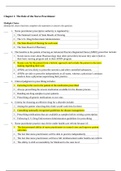
Chapter 1. The Role of the Nurse Practitioner Multiple Choice Identify the choice that best completes the statement or answers the question. ____ 1. Nurse practitioner prescriptive authority is regulated by: 1. The National Council of State Boards of Nursing 2. The U.S. Drug Enforcement Administration 3. The State Board of Nursing for each state 4. The State Board of Pharmacy ____ 2. The benefits to the patient of having an Advanced Practice Registered Nurse (APRN) prescriber include: 1. Nurses know more about Pharmacology than other prescribers because they take it both in their basic nursing program and in their APRN program. 2. Nurses care for the patient from a holistic approach and include the patient in decision making regarding their care. 3. APRNs are less likely to prescribe narcotics and other controlled substances. 4. APRNs are able to prescribe independently in all states, whereas a physician’s assistant needs to have a physician supervising their practice. ____ 3. Clinical judgment in prescribing includes: 1. Factoring in the cost to the patient of the medication prescribed 2. Always prescribing the newest medication available for the disease process 3. Handing out drug samples to poor patients 4. Prescribing all generic medications to cut costs ____ 4. Criteria for choosing an effective drug for a disorder include: 1. Asking the patient what drug they think would work best for them 2. Consulting nationally recognized guidelines for disease management 3. Prescribing medications that are available as samples before writing a prescription 4. Following U.S. Drug Enforcement Administration guidelines for prescribing ____ 5. Nurse practitioner practice may thrive under health-care reform because of: 1. The demonstrated ability of nurse practitioners to control costs and improve patient outcomes 2. The fact that nurse practitioners will be able to practice independently 3. The fact that nurse practitioners will have full reimbursement under health-care reform 4. The ability to shift accountability for Medicaid to the state level Chapter 2. Review of Basic Principles of Pharmacology Multiple Choice Identify the choice that best completes the statement or answers the question. ____ 1. A patient’s nutritional intake and laboratory results reflect hypoalbuminemia. This is critical to prescribing because: 1. Distribution of drugs to target tissue may be affected. 2. The solubility of the drug will not match the site of absorption. 3. There will be less free drug available to generate an effect. 4. Drugs bound to albumin are readily excreted by the kidneys. ____ 2. Drugs that have a significant first-pass effect: 1. Must be given by the enteral (oral) route only 2. Bypass the hepatic circulation 3. Are rapidly metabolized by the liver and may have little if any desired action 4. Are converted by the liver to more active and fat-soluble forms ____ 3. The route of excretion of a volatile drug will likely be the: 1. Kidneys 2. Lungs 3. Bile and feces 4. Skin ____ 4. Medroxyprogesterone (Depo Provera) is prescribed intramuscularly (IM) to create a storage reservoir of the drug. Storage reservoirs: 1. Assure that the drug will reach its intended target tissue 2. Are the reason for giving loading doses 3. Increase the length of time a drug is available and active 4. Are most common in collagen tissues ____ 5. The NP chooses to give cephalexin every 8 hours based on knowledge of the drug’s: 1. Propensity to go to the target receptor 2. Biological half-life 3. Pharmacodynamics 4. Safety and side effects ____ 6. Azithromycin dosing requires that the first day’s dosage be twice those of the other 4 days of the prescription. This is considered a loading dose. A loading dose: 1. Rapidly achieves drug levels in the therapeutic range 2. Requires four- to five-half-lives to attain 3. Is influenced by renal function 4. Is directly related to the drug circulating to the target tissues ____ 7. The point in time on the drug concentration curve that indicates the first sign of a therapeutic effect is the: 1. Minimum adverse effect level 2. Peak of action 3. Onset of action 4. Therapeutic range ____ 8. Phenytoin requires that a trough level be drawn. Peak and trough levels are done: 1. When the drug has a wide therapeutic range 2. When the drug will be administered for a short time only 3. When there is a high correlation between the dose and saturation of receptor sites 4. To determine if a drug is in the therapeutic range ____ 9. A laboratory result indicates that the peak level for a drug is above the minimum toxic concentration. This means that the: 1. Concentration will produce therapeutic effects 2. Concentration will produce an adverse response 3. Time between doses must be shortened 4. Duration of action of the drug is too long ____ 10. Drugs that are receptor agonists may demonstrate what property? 1. Irreversible binding to the drug receptor site 2. Upregulation with chronic use 3. Desensitization or downregulation with continuous use 4. Inverse relationship between drug concentration and drug action ____ 11. Drugs that are receptor antagonists, such as beta blockers, may cause: 1. Downregulation of the drug receptor 2. An exaggerated response if abruptly discontinued 3. Partial blockade of the effects of agonist drugs 4. An exaggerated response to competitive drug agonists ____ 12. Factors that affect gastric drug absorption include: 1. Liver enzyme activity 2. Protein-binding properties of the drug molecule 3. Lipid solubility of the drug 4. Ability to chew and swallow ____ 13. Drugs administered via IV: 1. Need to be lipid soluble in order to be easily absorbed 2. Begin distribution into the body immediately 3. Are easily absorbed if they are nonionized 4. May use pinocytosis to be absorbed ____ 14. When a medication is added to a regimen for a synergistic effect, the combined effect of the drugs is: 1. The sum of the effects of each drug individually 2. Greater than the sum of the effects of each drug individually 3. Less than the effect of each drug individually 4. Not predictable, as it varies with each individual ____ 15. Which of the following statements about bioavailability is true? 1. Bioavailability issues are especially important for drugs with narrow therapeutic ranges or sustained-release mechanisms. 2. All brands of a drug have the same bioavailability. 3. Drugs that are administered more than once a day have greater bioavailability than drugs given once daily. 4. Combining an active drug with an inert substance does not affect bioavailability. ____ 16. Which of the following statements about the major distribution barriers (blood-brain or fetal-placental) is true? 1. Water soluble and ionized drugs cross these barriers rapidly. 2. The blood-brain barrier slows the entry of many drugs into and from brain cells. 3. The fetal-placental barrier protects the fetus from drugs taken by the mother. 4. Lipid-soluble drugs do not pass these barriers and are safe for pregnant women. ____ 17. Drugs are metabolized mainly by the liver via phase I or phase II reactions. The purpose of both of these types of reactions is to: 1. Inactivate prodrugs before they can be activated by target tissues 2. Change the drugs so they can cross plasma membranes 3. Change drug molecules to a form that an excretory organ can excrete 4. Make these drugs more ionized and polar to facilitate excretion ____ 18. Once they have been metabolized by the liver, the metabolites may be: 1. More active than the parent drug 2. Less active than the parent drug 3. Totally “deactivated” so they are excreted without any effect 4. All of the above ____ 19. All drugs continue to act in the body until they are changed or excreted. The ability of the body to excrete drugs via the renal system would be increased by: 1. Reduced circulation and perfusion of the kidney 2. Chronic renal disease 3. Competition for a transport site by another drug 4. Unbinding a nonvolatile drug from plasma proteins ____ 20. Steady state is: 1. The point on the drug concentration curve when absorption exceeds excretion 2. When the amount of drug in the body remains constant 3. When the amount of drug in the body stays below the minimum toxic concentration 4. All of the above ____ 21. Two different pain medications are given together for pain relief. The drug—drug interaction is: 1. Synergistic 2. Antagonistic 3. Potentiative 4. Additive ____ 22. Actions taken to reduce drug—drug interaction problems include all of the following EXCEPT: 1. Reducing the dosage of one of the drugs 2. Scheduling their administration at different times 3. Prescribing a third drug to counteract the adverse reaction of the combination 4. Reducing the dosage of both drugs ____ 23. Phase I oxidative-reductive processes of drug metabolism require certain nutritional elements. Which of the following would reduce or inhibit this process? 1. Protein malnutrition 2. Iron-deficiency anemia 3. Both 1 and 2 4. Neither 1 nor 2 ____ 24. The time required for the amount of drug in the body to decrease by 50% is called: 1. Steady state 2. Half-life 3. Phase II metabolism 4. Reduced bioavailability time ____ 25. An agonist activates a receptor and stimulates a response. When given frequently over time, the body may: 1. Upregulate the total number of receptors 2. Block the receptor with a partial agonist 3. Alter the drug’s metabolism 4. Downregulate the numbers of that specific receptor ____ 26. Drug antagonism is best defined as an effect of a drug that: 1. Leads to major physiological and psychological dependence 2. Is modified by the concurrent administration of another drug 3. Cannot be metabolized before another dose is administered 4. Leads to a decreased physiological response when combined with another drug ____ 27. Instructions to a client regarding self-administration of oral enteric-coated tablets should include which of the following statements? 1. “Avoid any other oral medicines while taking this drug.” 2. “If swallowing this tablet is difficult, dissolve it in 3 ounces of orange juice.” 3. “The tablet may be crushed if you have any difficulty taking it.” 4. “To achieve best effect, take the tablet with at least 8 ounces of fluid.” ____ 28. The major reason for not crushing a sustained-release capsule is that, if crushed, the coated beads of the drugs could possibly result in: 1. Disintegration 2. Toxicity 3. Malabsorption 4. Deterioration ____ 29. Which of the following substances is the most likely to be absorbed in the intestines rather than in the stomach? 1. Sodium bicarbonate 2. Ascorbic acid 3. Salicylic acid 4. Glucose ____ 30. Which of the following variables is a factor in drug absorption? 1. The smaller the surface area for absorption, the more rapidly the drug is absorbed. 2. A rich blood supply to the area of absorption leads to better absorption. 3. The less soluble the drug, the more easily it is absorbed. 4. Ionized drugs are easily absorbed across the cell membrane. ____ 31. An advantage of prescribing a sublingual medication is that the medication is: 1. Absorbed rapidly 2. Excreted rapidly 3. Metabolized minimally 4. Distributed equally ____ 32. Drugs that use CYP 3A4 isoenzymes for metabolism may: 1. Induce the metabolism of another drug 2. Inhibit the metabolism of another drug 3. Both 1 and 2 4. Neither 1 nor 2 ____ 33. Therapeutic drug levels are drawn when a drug reaches steady state. Drugs reach steady state: 1. After the second dose 2. After four to five half-lives 3. When the patient feels the full effect of the drug 4. One hour after IV administration ____ 34. Upregulation or hypersensitization may lead to: 1. Increased response to a drug 2. Decreased response to a drug 3. An exaggerated response if the drug is withdrawn 4. Refractoriness or complete lack of response Chapter 5. Adverse Drug Reactions Multiple Choice Identify the choice that best completes the statement or answers the question. ____ 1. Which of the following patients would be at higher risk of experiencing adverse drug reactions (ADRs): 1. A 32-year-old male 2. A 22-year-old female 3. A 3-month-old female 4. A 48-year-old male ____ 2. Infants and young children are at higher risk of ADRs due to: 1. Immature renal function in school-age children 2. Lack of safety and efficacy studies in the pediatric population 3. Children’s skin being thicker than adults, requiring higher dosages of topical medication 4. Infant boys having a higher proportion of muscle mass, leading to a higher volume of distribution ____ 3. The elderly are at high risk of ADRs due to: 1. Having greater muscle mass than younger adults, leading to higher volume of distribution 2. The extensive studies that have been conducted on drug safety in this age group 3. The blood-brain barrier being less permeable, requiring higher doses to achieve therapeutic effect 4. Age-related decrease in renal function ____ 4. The type of adverse drug reaction that is idiosyncratic when a drug given in the usual therapeutic doses is type: 1. A 2. B 3. C 4. D ____ 5. Digoxin may cause a type A adverse drug reaction due to: 1. Idiosyncratic effects 2. Its narrow therapeutic index 3. Being a teratogen 4. Being a carcinogen ____ 6. Sarah developed a rash after using a topical medication. This is a type __ allergic drug reaction. 1. I 2. II 3. III 4. IV ____ 7. A patient may develop neutropenia from using topical Silvadene for burns. Neutropenia is a(n): 1. Cytotoxic hypersensitivity reaction 2. Immune complex hypersensitivity 3. Immediate hypersensitivity reaction 4. Delayed hypersensitivity reaction ____ 8. Anaphylactic shock is a: 1. Type I reaction, called immediate hypersensitivity reaction 2. Type II reaction, called cytotoxic hypersensitivity reaction 3. Type III allergic reaction, called immune complex hypersensitivity 4. Type IV allergic reaction, called delayed hypersensitivity reaction ____ 9. James has hypothalamic-pituitary-adrenal axis suppression from chronic prednisone (a corticosteroid) use. He is at risk for what type of adverse drug reaction? 1. Type B 2. Type C 3. Type E 4. Type F ____ 10. Immunomodulators such as azathioprine may cause a delayed adverse drug reaction known as a type D reaction because they are known: 1. Teratogens 2. Carcinogens 3. To cause hypersensitivity reactions 4. Hypothalamus-pituitary-adrenal axis suppressants ____ 11. A 24-year-old male received multiple fractures in a motor vehicle accident that required significant amounts of opioid medication to treat his pain. He is at risk for a _____ adverse drug reaction when he no longer requires the opioids. 1. Rapid 2. First-dose 3. Late 4. Delayed ____ 12. An example of a first-dose reaction that may occur includes: 1. Orthostatic hypotension that does not occur with repeated doses 2. Purple glove syndrome with phenytoin use 3. Hemolytic anemia from ceftriaxone use 4. Contact dermatitis from neomycin use ____ 13. Drugs that are prone to cause adverse drug effects include: 1. Diuretics 2. Inhaled anticholinergics 3. Insulins 4. Stimulants ____ 14. The U.S. Food and Drug Administration MedWatch system is activated when: 1. There is an adverse event to a vaccine. 2. The patient has a severe reaction that is noted in the “Severe Reaction” section in the medication label. 3. A lactating woman takes a medication that is potentially toxic to the breastfeeding infant. 4. An adverse event or serious problem occurs with a medication that is not already identified on the label. ____ 15. The Vaccine Adverse Events Reporting System is: 1. A mandatory reporting system for all health-care providers when they encounter an adverse vaccine event 2. A voluntary reporting system that health-care providers or consumers may use to report vaccine adverse events 3. Utilized to send out safety alerts regarding emerging vaccine safety issues 4. Activated when a vaccine has been proven to cause significant adverse effects Chapter 6. Factors That Foster Positive Outcome Multiple Choice Identify the choice that best completes the statement or answers the question. ____ 1. A comprehensive assessment of a patient should be holistic when trying to determine competence in drug administration. Which of the following factors would the NP omit from this type of assessment? 1. Financial status 2. Mobility 3. Social support 4. Sexual practices ____ 2. Elena Vasquez’s primary language is Spanish, and she speaks very limited English. Which technique would be appropriate to use in teaching her about a new drug you have just prescribed? 1. Use correct medical terminology because Spanish has a Latin base. 2. Use a family member who speaks more English to act as an interpreter. 3. Use a professional interpreter or a reliable staff member who can act as an interpreter. 4. Use careful, detailed explanations. ____ 3. Rod, age 68, has hearing difficulty. Which of the following would NOT be helpful in assuring that he understands teaching about his drug? 1. Stand facing him and speak slowly and clearly. 2. Speak in low tones or find a provider who has a lower voice. 3. Write down the instructions as well as speaking them. 4. If he reads lips, exaggerate lips movements when pronouncing the vowel sounds. ____ 4. Which of the following factors may adversely affect a patient’s adherence to a therapeutic drug regimen? 1. Complexity of the drug regimen 2. Patient perception of the potential adverse effects of the drugs 3. Both 1 and 2 4. Neither 1 nor 2 ____ 5. The health-care delivery system itself can create barriers to adherence to a treatment regimen. Which of the following system variables creates such a barrier? 1. Increasing copayments for care 2. Unrestricted formularies for drugs, including brand names 3. Increasing the number of people who have access to care 4. Treating a wider range of disorders ____ 6. Ralph’s blood pressure remains elevated despite increased doses of his drug. The NP is concerned that he might not be adhering to his treatment regimen. Which of the following events would suggest that he might not be adherent? 1. Ralph states that he always takes the drug “when I feel my pressure is going up.” 2. Ralph contacts his NP to discuss the need to increase the dosage. 3. Ralph consistently keeps his follow-up appointments to check his blood pressure. 4. All of the above show that he is adherent to the drug regimen. ____ 7. Nonadherence is especially common in drugs that treat asymptomatic conditions, such as hypertension. One way to reduce the likelihood of nonadherence to these drugs is to prescribe a drug that: 1. Has a short half-life so that missing one dose has limited effect 2. Requires several dosage titrations so that missed doses can be replaced with lower doses to keep costs down 3. Has a tolerability profile with fewer of the adverse effects that are considered “irritating,” such as nausea and dizziness 4. Must be taken no more than twice a day ____ 8. Factors in chronic conditions that contribute to nonadherence include: 1. The complexity of the treatment regimen 2. The length of time over which it must be taken 3. Breaks in the usual daily routine, such as vacations and weekends 4. All of the above ____ 9. While patient education about their drugs is important, information alone does not necessarily lead to adherence to a drug regimen. Patients report greater adherence when: 1. The provider spent a lot of time discussing the drugs with them 2. Their concerns and specific area of knowledge deficit were addressed 3. They were given written material, such as pamphlets, about the drugs 4. The provider used appropriate medical and pharmacological terms ____ 10. Patients with psychiatric illnesses have adherence rates to their drug regimen between 35% and 60%. To improve adherence in this population, prescribe drugs: 1. With a longer half-life so that missed doses produce a longer taper on the drug curve 2. In oral formulations that are more easily taken 3. That do not require frequent monitoring 4. Combined with patient education about the need to adhere even when symptoms are absent ____ 11. Many disorders require multiple drugs to treat them. The more complex the drug regimen, the less likely the patient will adhere to it. Which of the following interventions will NOT improve adherence? 1. Have the patient purchase a pill container with compartments for daily or multiple times-perday dosing. 2. Match the clinic appointment to the next time the drug is to be refilled. 3. Write prescriptions for new drugs with shorter times between refills. 4. Give the patient a clear drug schedule that the provider devises to fit the characteristic of the drug. ____ 12. Pharmacologic interventions are costly. Patients for whom the cost/benefit variable is especially important include: 1. Older adults and those on fixed incomes 2. Patients with chronic illnesses 3. Patients with copayments for drugs on their insurance 4. Patients on public assistance ____ 13. Providers have a responsibility for determining the best plan of care, but patients also have responsibilities. Patients the provider can be assured will carry through on these responsibilities include those who: 1. Are well-educated and affluent 2. Have chronic conditions 3. Self-monitor drug effects on their symptoms 4. None of the above guarantee adherence ____ 14. Monitoring adherence can take several forms, including: 1. Patient reports from data in a drug diary 2. Pill counts 3. Laboratory reports and other diagnostic markers 4. All of the above ____ 15. Factors that explain and predict medication adherence include: 1. Social 2. Financial 3. Health system 4. All of the above Chapter 7. Cultural and Ethnic Influences in Pharmacotherapeutics Multiple Choice Identify the choice that best completes the statement or answers the question. ____ 1. Cultural factors that must be taken into account when prescribing include(s): 1. Who the decision maker is in the family regarding health-care decisions 2. The patient’s view of health and illness 3. Attitudes regarding the use of drugs to treat illness 4. All of the above ____ 2. Ethnic differences have been found in drug: 1. Absorption 2. Hepatic metabolism 3. Filtration at the glomerulus 4. Passive tubular reabsorption ____ 3. The National Standards of Culturally and Linguistically Appropriate Services are required to be implemented in all: 1. Hospitals 2. Clinics that serve the poor 3. Organizations that receive federal funds 4. Clinics that serve ethnic minorities ____ 4. According to the National Standards of Culturally and Linguistically Appropriate Services, an interpreter for health care: 1. May be a bilingual family member 2. May be a bilingual nurse or other health-care provider 3. Must be a professionally trained medical interpreter 4. Must be an employee of the organization ____ 5. According to the U.S. Office of Minority Health, poor health outcomes among African Americans are attributed to: 1. The belief among African Americans that prayer is more powerful than drugs 2. Poor compliance on the part of the African American patient 3. The genetic predisposition for illness found among African Americans 4. Discrimination, cultural barriers, and lack of access to health care ____ 6. The racial difference in drug pharmacokinetics seen in American Indian or Alaskan Natives are: 1. Increased CYP 2D6 activity, leading to rapid metabolism of some drugs 2. Largely unknown due to lack of studies of this population 3. Rapid metabolism of alcohol, leading to increased tolerance 4. Decreased elimination of opioids, leading to increased risk for addiction ____ 7. Pharmacokinetics among Asians are universal to all the Asian ethnic groups. 1. True 2. False ____ 8. Alterations in drug metabolism among Asians may lead to: 1. Slower metabolism of antidepressants, requiring lower doses 2. Faster metabolism of neuroleptics, requiring higher doses 3. Altered metabolism of omeprazole, requiring higher doses 4. Slower metabolism of alcohol, requiring higher doses ____ 9. Asians from Eastern Asia are known to be fast acetylators. Fast acetylators: 1. Require acetylization in order to metabolize drugs 2. Are unable to tolerate higher doses of some drugs that require acetylization 3. May have a toxic reaction to drugs that require acetylization 4. Require higher doses of drugs metabolized by acetylization to achieve efficacy ____ 10. Hispanic native healers (curanderas): 1. Are not heavily utilized by Hispanics who immigrate to the United States 2. Use herbs and teas in their treatment of illness 3. Provide unsafe advice to Hispanics and should not be trusted 4. Need to be licensed in their home country in order to practice in the United States Chapter 10. Herbal Therapy and Nutritional Supplements Multiple Choice Identify the choice that best completes the statement or answers the question. ____ 1. A good history of herb and supplement use is critical before prescribing because approximately ____ % of patients in the United States are using herbal products. 1. 10 2. 5 3. 38 4. 70 ____ 2. A potential harmful effect on patients who take some herbal medication is: 1. Constipation 2. Lead poisoning 3. Diarrhea 4. Life-threatening rash ____ 3. A thorough understanding of herbs is critical to patient safety. An example is the use of cinnamon to treat type II diabetes. It is important the patient uses Ceylon cinnamon, as the commercially available cassia cinnamon contains: 1. Coumadin, which may lead to bleeding problems 2. Coumarin, which can cause liver and kidney damage 3. Cinnamic aldehyde, which is toxic to the kidney 4. Cinnamate eugenol, which is toxic to the liver ____ 4. Traditional Chinese medicine utilizes yin (cooling) versus yang (warming) in assessing and treating disease. Menopause is considered a time of imbalance, therefore the Chinese herbalist would prescribe: 1. Herbs which are yang in nature 2. Herbs that are yin in nature 3. Ginger 4. Golden seal ____ 5. According to traditional Chinese medicine, if a person who has a fever is given a herb that is yang in nature, such as golden seal, the patient’s illness will: 1. Get worse 2. Get better 3. Not be adequately treated 4. Need additional herbs to treat the yang ____ 6. In Ayurvedic medicine, treatment is based on the patient’s dominant dosha, which is referred to as the person’s: 1. Vata 2. Pitta 3. Kapha 4. Prakriti ____ 7. Herbs and supplements are regulated by the U.S. Food and Drug Administration. 1. True 2. False ____ 8. When melatonin is used to induce sleep, the recommendation is that the patient: 1. Take 10 mg 30 minutes before bed nightly 2. Take 1 to 5 mg 30 minutes before bed nightly 3. Not take melatonin more than three nights a week 4. Combine melatonin with zolpidem (Ambien) for the greatest impact on sleep ____ 9. Valerian tea causes relaxation and can be used to help a patient fall asleep. Overdosage of valerian (more than 2.5 gm/dose) may lead to: 1. Cardiac disturbances 2. Central nervous system depression 3. Respiratory depression 4. Skin rashes ____ 10. The standard dosage of St John’s wort for the treatment of mild depression is: 1. 300 mg daily 2. 100 mg three times a day 3. 300 mg three times a day 4. 600 mg three times a day ____ 11. Patients need to be instructed regarding the drug interactions with St John’s wort, including: 1. MAO inhibitors 2. Serotonin reuptake inhibitors 3. Over-the-counter cough and cold medications 4. All of the above ____ 12. Ginseng, which is taken to assist with memory, may potentiate: 1. Aricept 2. Insulin 3. Digoxin 4. Propranolol ____ 13. Licorice root is a common treatment for dyspepsia. Drug interactions with licorice include: 1. Antihypertensives, diuretics, and digoxin 2. Antidiarrheals, antihistamines, and omeprazole 3. Penicillin antibiotic class and benzodiazepines 4. None of the above ____ 14. Patients should be warned about the overuse of topical wintergreen oil to treat muscle strains, as overapplication can lead to: 1. Respiratory depression 2. Cardiac disturbance 3. Salicylates poisoning 4. Life-threatening rashes ____ 15. The role of the NP in the use of herbal medication is to: 1. Maintain competence in the prescribing of common herbal remedies 2. Recommend common over-the-counter herbs to patients 3. Educate patients and guide them to appropriate sources of care 4. Encourage patients to not use herbal therapy due to the documented dangers Chapter 12. Pharmacoeconomics Multiple Choice Identify the choice that best completes the statement or answers the question. ____ 1. Pharmacoeconomics is: 1. The study of the part of the U.S. economy devoted to drug use 2. The study of the impact of prescription drug costs on the overall economy 3. The analysis of the costs and consequences of any health-care-related treatment or service 4. The analysis of the clinical efficacy of the drug ____ 2. The direct costs of drug therapy include: 1. The actual cost of acquiring the medication 2. The loss of income due to illness 3. Pain and suffering due to inadequate drug therapy 4. The cost of a funeral associated with premature death ____ 3. Indirect costs associated with drug therapy include: 1. The cost of diagnostic tests to monitor therapeutic levels 2. Health-care provider time to prescribe and educate the patient 3. Child-care expenses incurred while receiving therapy 4. Loss of wages while undergoing drug therapy ____ 4. The intangible costs of drug therapy include: 1. Loss of wages while undergoing therapy 2. Inconvenience, pain, and suffering incurred with therapy 3. Cost of medical equipment in the laboratory used to monitor therapeutic drug levels 4. Cost of prescription drug coverage, such as Medicare Part D ____ 5. When a pharmacoeconomic analysis looks at two or more treatment alternatives that are considered equal in efficacy and compares the costs of each it is referred to as: 1. Cost-minimization analysis 2. Cost-of-illness analysis 3. Cost-effectiveness analysis 4. Cost-benefit analysis ____ 6. Cost-effectiveness analysis compares two or more treatments or programs that are: 1. Not necessarily therapeutically equivalent 2. Considered equal in efficacy 3. Compared with the dollar value of the benefit received 4. Expressed in terms of patient preference or quality-adjusted life years ____ 7. When the costs of a specific treatment or intervention are calculated and then compared with the dollar value of the benefit received it is referred to as: 1. Cost-minimization analysis 2. Cost-of-illness analysis 3. Cost-effectiveness analysis 4. Cost-benefit analysis ____ 8. Mary has a two-tiered prescription benefit plan, which means: 1. She can receive differing levels of care based on whether she chooses an “in-plan” provider or not. 2. She is eligible for the new Medicare Part D “donut hole” reduction of costs program. 3. She pays a higher copay for brand-name drugs than for generic drugs. 4. She must always choose to be treated with generic drugs first. ____ 9. Prescribing less-expensive generic drugs or drugs off the $4 retail pharmacy lists: 1. Increases the complexity of the pharmacoeconomics of prescribing for the individual patient 2. Increases compliance by reducing the financial burden of drug costs to the patient 3. Is not sound prescribing practice due to the inferiority of the generic products 4. Will increase the overall cost of drugs to the system due to the ease of overprescribing lessexpensive drugs ____ 10. James tells you that he is confused by his Medicare Part D coverage plan. An appropriate intervention would be: 1. Order cognitive testing to determine the source of his confusion. 2. Sit down with him and explain the whole Medicare Part D process. 3. Refer him to the Medicare specialist in his insurance plan to explain the benefit to him. 4. Request his son come to the next appointment so you can explain the benefit to him. ____ 11. The “donut hole” in Medicare Part D: 1. Will be totally eliminated with the federal health-care reform enacted in 2010 2. Refers to the period of time when annual individual drug costs are between $250 and $2,250 per year and drug costs are covered 75% 3. Refers to the period between when the annual individual drug costs are $2,970 and $4,750 and the patient pays 52.5% of the costs of brand name drugs (2013) 4. Has no effect on whether patients continue to fill their prescriptions during the coverage gap ____ 12. Research has shown that when patients who are covered by Medicare Part D reach the “donut hole” in coverage they: 1. Ask for extra refills of medication to get them through the months of no coverage 2. Fill their prescriptions less frequently, including critical medications such as warfarin or a statin 3. Fill their critical medications, but hold off on filling less-critical medications 4. Demonstrate no change in their prescription filling pattern Chapter 13. Over-the-Counter Medications Multiple Choice Identify the choice that best completes the statement or answers the question. ____ 1. Michael asks you about why some drugs are over-the-counter and some are prescription. You explain that in order for a drug to be approved for over-the-counter use the drug must: 1. Be safe and labeled for appropriate use 2. Have a low potential for abuse or misuse 3. Be taken for a condition the patient can reliably self-diagnose 4. All of the above ____ 2. In the United States, over-the-counter drugs are regulated by: 1. No one. There is no oversight for over-the-counter medications. 2. The U.S. Food and Drug Administration Center for Drug Evaluation and Research 3. The U.S. Drug Enforcement Administration 4. MedWatch ____ 3. As drugs near the end of their patent, pharmaceutical companies may apply for the drug to change to overthe-counter status in order to: 1. Get a new patent for the over-the-counter form of the drug 2. Lower the costs because most prescription benefit plans do not cover generics 3. Market the drug to a whole new population, as they are able to market to patients instead of just providers 4. Continue to make large profits from their blockbuster brand-name drug ____ 4. New over-the-counter drug ingredients must undergo the U.S. Food and Drug Administration New Drug Application process, just as prescription drugs do. 1. True 2. False ____ 5. The ailment that generates the greatest over-the-counter annual drug sales is: 1. Constipation 2. Cough and colds 3. Heartburn 4. Acute and chronic pain ____ 6. Common over-the-counter pain relievers such as acetaminophen or ibuprofen: 1. Are always safer for the patient than prescription pain medication 2. Are harmful if taken in higher than recommended amounts 3. Have minimal interaction with prescription medications 4. Should never be given to children unless recommended by their provider ____ 7. When obtaining a drug history from Harold, he gives you a complete list of his prescription medications. He denies taking any other drugs, but you find that he occasionally takes aspirin for his arthritis flare ups. This is an example of: 1. His appropriately only telling you about his regularly prescribed medications 2. His hiding information regarding his inappropriate use of aspirin from you 3. A common misconception that intermittently taken over-the counter medications are not an important part of his drug history 4. A common misuse of over-the-counter aspirin ____ 8. The Combat Methamphetamine Epidemic Act, which is part of the 2006 U.S. Patriot Act: 1. Requires all providers to screen their patients for methamphetamine use 2. Restricts the prescribing of amphetamines to U.S. citizens 3. Requires a prescription be written for all methamphetamine precursors in all states 4. Restricts the sales of drugs that contain methamphetamine precursors, including a daily and 30-day limit on sales ____ 9. When prescribing a tetracycline or quinolone antibiotic it is critical to instruct the patient: 1. Not to take their regularly prescribed medications while on these antibiotics 2. Regarding the need for lots of acidic foods and juices, such as orange juice, to enhance absorption 3. Not to take antacids while on these medications, as the antacid decreases absorption 4. That there are no drug interactions with these antibiotics Chapter 15. Drugs Affecting the Central Nervous System Multiple Choice Identify the choice that best completes the statement or answers the question. ____ 1. Sarah, a 42-year-old female, requests a prescription for an anorexiant to treat her obesity. A trial of phentermine is prescribed. Prescribing precautions include: 1. Understanding that obesity is a contraindication to prescribing phentermine 2. Anorexiants may cause tolerance and should only be prescribed for 6 months 3. Patients should be monitored for postural hypotension 4. Renal function should be monitored closely while on anorexiants ____ 2. Before prescribing phentermine to Sarah, a thorough drug history should be taken including assessing for the use of serotonergic agents such as selective serotonin reuptake inhibitors (SSRIs) and St John’s wort due to: 1. Additive respiratory depression risk 2. Additive effects affecting liver function 3. The risk of serotonin syndrome 4. The risk of altered cognitive functioning ____ 3. Antonia is a 3-year-old child who has a history of status epilepticus. Along with her routine antiseizure medication, she should also have a home prescription for_________ to be used for an episode of status epilepticus. 1. IV phenobarbital 2. Rectal diazepam (Diastat) 3. IV phenytoin (Dilantin) 4. Oral carbamazepine (Tegretol) ____ 4. Rabi is being prescribed phenytoin for seizures. Monitoring includes assessing: 1. For phenytoin hypersensitivity syndrome 3 to 8 weeks after starting treatment 2. For pedal edema throughout therapy 3. Heart rate at each visit and consider altering therapy if heart rate is less than 60 bpm 4. For vision changes, such as red-green blindness, at least annually ____ 5. Dwayne has recently started on carbamazepine to treat seizures. He comes to see you and you note that while his carbamazepine levels had been in the therapeutic range, they are now low. The possible cause for the low carbamazepine levels include: 1. Dwayne hasn’t been taking his carbamazepine because it causes insomnia. 2. Carbamazepine auto-induces metabolism, leading to lower levels in spite of good compliance. 3. Dwayne was not originally prescribed the correct amount of carbamazepine. 4. Carbamazepine is probably not the right antiseizure medication for Dwayne. ____ 6. Carbamazepine has a Black Box Warning due to life-threatening: 1. Renal toxicity, leading to renal failure 2. Hepatotoxicity, leading to liver failure 3. Dermatologic reaction, including Steven’s Johnson and toxic epidermal necrolysis 4. Cardiac effects, including supraventricular tachycardia ____ 7. Long-term monitoring of patients who are taking carbamazepine includes: 1. Routine troponin levels to assess for cardiac damage 2. Annual eye examinations to assess for cataract development 3. Monthly pregnancy tests for all women of childbearing age 4. Complete blood count every 3 to 4 months ____ 8. Six-year-old Lucy has recently been started on ethosuximide (Zarontin) for seizures. She should be monitored for: 1. Increased seizure activity, as this drug may auto-induce seizures 2. Altered renal function, including renal failure 3. Blood dyscrasias, which are uncommon but possible 4. Central nervous system excitement, leading to insomnia ____ 9. Sook has been prescribed gabapentin to treat neuropathic pain and is complaining of feeling depressed and having “strange” thoughts. The appropriate initial action would be: 1. Increase her dose 2. Assess for suicidal ideation 3. Discontinue the medication immediately 4. Decrease her dose to half then slowly titrate up the dose ____ 10. Selma, who is overweight, recently started taking topiramate for seizures and at her follow-up visit you note she has lost 3 kg. The appropriate action would be: 1. Tell her to increase her caloric intake to counter the effects of the topiramate. 2. Consult with a neurologist, as this is not a common adverse effect of topiramate. 3. Decrease her dose of topiramate. 4. Reassure her that this is a normal side effect of topiramate and continue to monitor her weight. ____ 11. Monitoring of a patient on gabapentin to treat seizures includes: 1. Routine therapeutic drug levels every 3 to 4 months 2. Assessing for dermatologic reactions, including Steven’s Johnson 3. Routine serum electrolytes, especially in hot weather 4. Recording seizure frequency, duration, and severity ____ 12. Scott’s seizures are well controlled on topiramate and he wants to start playing baseball. Education for Scott regarding his topiramate includes: 1. He should not play sports due to the risk of increased seizures 2. He should monitor his temperature and ability to sweat in the heat while playing 3. Reminding him that he may need higher dosages of topiramate when exercising 4. Encouraging him to use sunscreen due to photosensitivity from topiramate ____ 13. Cara is taking levetiracetam (Keppra) to treat seizures. Routine education for levetiracetam includes reminding her: 1. To not abruptly discontinue levetiracetam due to risk for withdrawal seizures 2. To wear sunscreen due to photosensitivity from levetiracetam 3. To get an annual eye exam while on levetiracetam 4. To report weight loss if it occurs ____ 14. Levetiracetam has known drug interactions with: 1. Combined oral contraceptives 2. Carbamazepine 3. Warfarin 4. Few, if any, drugs ____ 15. Zainab is taking lamotrigine (Lamictal) and presents to the clinic with fever and lymphadenopathy. Initial evaluation and treatment includes: 1. Reassuring her she has a viral infection and to call if she isn’t better in 4 or 5 days 2. Ruling out a hypersensitivity reaction that may lead to multi-organ failure 3. Rapid strep test and symptomatic care if strep test is negative 4. Observation only, with further assessment if she worsens ____ 16. Samantha is taking lamotrigine (Lamictal) for her seizures and requests a prescription for combined oral contraceptives (COCs), which interact with lamotrigine and may cause: 1. Contraceptive failure 2. Excessive weight gain 3. Reduced lamotrigine levels, requiring doubling the dose of lamotrigine 4. Induction of estrogen metabolism, requiring higher estrogen content OCs be prescribed ____ 17. The tricyclic antidepressants should be prescribed cautiously in patients with: 1. Eczema 2. Asthma 3. Diabetes 4. Heart disease ____ 18. A 66-year-old male was prescribed phenelzine (Nardil) while in an acute psychiatric unit for recalcitrant depression. The NP managing his primary health care needs to understand the following regarding phenelzine and other monoamine oxidase inhibitors (MAOIs): 1. He should not be prescribed any serotonergic drug such as sumatriptan (Imitrex) 2. MAOIs interact with many common foods, including yogurt, sour cream, and soy sauce 3. Symptoms of hypertensive crisis (headache, tachycardia, sweating) require immediate treatment 4. All of the above ____ 19. Taylor is a 10-year-old child diagnosed with major depression. The appropriate first-line antidepressant for children is: 1. Fluoxetine 2. Fluvoxamine 3. Sertraline 4. Escitalopram ____ 20. Suzanne is started on paroxetine (Paxil), a selective serotonin reuptake inhibitor (SSRI), for depression. Education regarding her antidepressant includes: 1. SSRIs may take 2 to 6 weeks before she will have maximum drug effects. 2. Red-green color blindness may occur and should be reported. 3. If she experiences dry mouth or heart rates greater than 80, she should stop taking the drug immediately. 4. She should eat lots of food high in fiber to prevent constipation. ____ 21. Cecilia presents with depression associated with complaints of fatigue, sleeping all the time, and lack of motivation. An appropriate initial antidepressant for her would be: 1. Fluoxetine (Prozac) 2. Paroxetine (Paxil) 3. Amitriptyline (Elavil) 4. Duloxetine (Cymbalta) ____ 22. Jake, a 45-year-old patient with schizophrenia, was recently hospitalized for acute psychosis due to medication noncompliance. He was treated with IM long-acting haloperidol. Besides monitoring his schizophrenia symptoms, the patient should be assessed by his primary care provider: 1. For excessive weight loss 2. With the Abnormal Involuntary Movement Scale (AIMS) for extrapyramidal symptoms (EPS) 3. Monthly for tolerance to the haloperidol 4. Only by the mental health provider, as most NPs in primary care do not care for mentally ill patients ____ 23. Anticholinergic agents, such as benztropine (Cogentin), may be given with a phenothiazine to: 1. Reduce the chance of tardive dyskinesia 2. Potentiate the effects of the drug 3. Reduce the tolerance that tends to occur 4. Increase central nervous system (CNS) depression ____ 24. Patients who are prescribed olanzapine (Zyprexa) should be monitored for: 1. Insomnia 2. Weight gain 3. Hypertension 4. Galactorrhea ____ 25. A 19-year-old male was started on risperidone. Monitoring for risperidone includes observing for common side effects, including: 1. Bradykinesia, akathisia, and agitation 2. Excessive weight gain 3. Hypertension 4. Potentially fatal agranulocytosis ____ 26. In choosing a benzodiazepam to treat anxiety the prescriber needs to be aware of the possibility of dependence. The benzodiazepam with the greatest likelihood of rapidly developing dependence is: 1. Chlordiazepoxide (Librium) 2. Clonazepam (Klonopin) 3. Alprazolam (Xanax) 4. Oxazepam (Serax) ____ 27. A patient with anxiety and depression may respond to: 1. Duloxetine (Cymbalta) 2. Fluoxetine (Prozac) 3. Oxazepam (Serax) 4. Buspirone (Buspar) and an SSRI combined ____ 28. When prescribing temazepam (Restoril) for insomnia, patient education includes: 1. Take temazepam nightly approximately 15 minutes before bedtime. 2. Temazepam should not be used more than three times a week for less than 3 months. 3. Drinking 1 ounce of alcohol will cause additive effects and the patient will sleep better. 4. Exercise for at least 30 minutes within 2 hours of bedtime to enhance the effects of temazepam. ____ 29. Patients should be instructed regarding the rapid onset of zolpidem (Ambien) because: 1. Zolpidem should be taken just before going to bed. 2. Zolpidem may cause dry mouth and constipation. 3. Patients may need to double the dose for effectiveness. 4. They should stop drinking alcohol at least 30 minutes before taking zolpidem. ____ 30. One major drug used to treat bipolar disease is lithium. Because lithium has a narrow therapeutic range, it is important to recognize symptoms of toxicity, such as: 1. Orthostatic hypotension 2. Agitation and irritability 3. Drowsiness and nausea 4. Painful urination and abdominal distention ____ 31. Tom is taking lithium for bipolar disorder. He should be taught to: 1. Take his lithium with food 2. Eat a diet with consistent levels of salt (sodium) 3. Drink at least 2 quarts of water if he is in a hot environment 4. Monitor blood glucose levels ____ 32. Cynthia is taking valproate (Depakote) for seizures and would like to get pregnant. What advice would you give her? 1. Valproate is safe during all trimesters of pregnancy. 2. She can get pregnant while taking valproate, but she should take adequate folic acid. 3. Valproate is not safe at any time during pregnancy. 4. Valproate is a known teratogen, but may be taken after the first trimester if necessary. ____ 33. When prescribing an opioid analgesic such as acetaminophen and codeine (Tylenol #3), instructions to the patient should include: 1. The medication may cause sedation and they should not drive. 2. Constipation is a common side effect and they should increase fluids and fiber. 3. Patients should not take any other acetaminophen-containing medications at the same time. 4. All of the above ____ 34. Kirk sprained his ankle and is asking for pain medication for his mild-to-moderate pain. The appropriate first-line medication would be: 1. Ibuprofen (Advil) 2. Acetaminophen with hydrocodone (Vicodin) 3. Oxycodone (Oxycontin) 4. Oral morphine (Roxanol) ____ 35. Kasey fractured his ankle in two places and is asking for medication for his pain. The appropriate first-line medication would be: 1. Ibuprofen (Advil) 2. Acetaminophen with hydrocodone (Vicodin) 3. Oxycodone (Oxycontin) 4. Oral morphine (Roxanol) ____ 36. Jack, age 8, has attention deficit disorder (ADD) and is prescribed methylphenidate (Ritalin). He and his parents should be educated about the side effects of methylphenidate, which are: 1. Slurred speech and insomnia 2. Bradycardia and confusion 3. Dizziness and orthostatic hypotension 4. Insomnia and decreased appetite ____ 37. Monitoring for a child on methylphenidate for attention deficit hyperactivity disorder (ADHD) includes: 1. ADHD symptoms 2. Routine height and weight checks 3. Amount of methylphenidate being used 4. All of the above ____ 38. When prescribing Adderall (amphetamine and dextroamphetamine) to adults with ADHD the nurse practitioner will need to monitor: 1. Blood pressure 2. Blood glucose levels 3. Urine ketone levels 4. Liver function Chapter 16. Drugs Affecting the Cardiovascular and Renal Systems Multiple Choice Identify the choice that best completes the statement or answers the question. ____ 1. Ray has been diagnosed with hypertension and an angiotensin-converting enzyme inhibitor is determined to be needed. Prior to prescribing this drug, the NP should assess for: 1. Hypokalemia 2. Impotence 3. Decreased renal function 4. Inability to concentrate ____ 2. Angiotensin-converting enzyme inhibitors are the drug of choice in treating hypertension in diabetic patients because they: 1. Improve insulin sensitivity 2. Improve renal hemodynamics 3. Reduce the production of angiotensin II 4. All of the above ____ 3. A potentially life-threatening adverse response to angiotensin-converting enzyme inhibitors is angioedema. Which of the following statements is true about this adverse response? 1. Swelling of the tongue or hoarseness are the most common symptoms. 2. It appears to be related to the decrease in aldosterone production. 3. Presence of a dry, hacky cough indicates a high risk for this adverse response. 4. Because it takes time to build up a blood level, it occurs after being on the drug for about 1 week. ____ 4. Angiotensin-converting enzyme inhibitors are useful in a variety of disorders. Which of the following statements are true about both its usefulness in the disorder and the reason for its use? 1. Stable angina because it decreases the thickening of vascular walls due to decreased modified release. 2. Heart failure because it reduces remodeling of injured myocardial tissues. 3. Both 1 and 2 are true and the reasons are correct. 4. Both 1 and 2 are true but the reasons are wrong. 5. Neither 1 nor 2 are true. ____ 5. Despite good blood pressure control, an NP might change a patient’s drug from an angiotensin-converting enzyme (ACE) inhibitor to an angiotensin II receptor blocker (ARB) because the ARB: 1. Is stronger than the ACE inhibitor 2. Does not produce a dry, hacky cough 3. Has no effect on the renal system 4. Reduces sodium and water retention ____ 6. While taking an angiotensin II receptor blocker (ARB), patients need to avoid certain over-the-counter drugs without first consulting the provider because: 1. Cimetidine is metabolized by the CYP 3A4 isoenzymes 2. Nonsteroidal anti-inflammatory drugs reduce prostaglandin levels 3. Both 1 and 2 4. Neither 1 nor 2 ____ 7. Laboratory monitoring for patients on angiotensin-converting enzyme inhibitors or angiotensin II receptor blockers should include: 1. White blood cell counts with the drug dosage increased for elevations above 10,000 feet 2. Liver function tests with the drug dosage stopped for alanine aminotransferase values twice that of normal 3. Serum creatinine levels with the drug dosage reduced for values greater than 2.5 mg/dL 4. Serum glucose levels with the drug dosage increased for levels greater than 120 mg/dL ____ 8. Jacob has hypertension, for which a calcium channel blocker has been prescribed. This drug helps control blood pressure because it: 1. Decreases the amount of calcium inside the cell 2. Reduces stroke volume 3. Increases the activity of the Na+/K+/ATPase pump indirectly 4. Decreases heart rate ____ 9. Which of the following adverse effects may occur due to a dihydropyridine-type calcium channel blocker? 1. Bradycardia 2. Hepatic impairment 3. Increased contractility 4. Edema of the hands and feet ____ 10. Patient teaching related to amlodipine includes: 1. Increase calcium intake to prevent osteoporosis from a calcium blockade. 2. Do not crush the tablet; it must be given in liquid form if the patient has trouble swallowing it. 3. Avoid grapefruit juice as it affects the metabolism of this drug. 4. Rise slowly from a supine position to reduce orthostatic hypotension. ____ 11. Vera, age 70, has isolated systolic hypertension. Calcium channel blocker dosages for her should be: 1. Started at about half the usual dosage 2. Not increased over the usual dosage for an adult 3. Given once daily because of memory issues in the older adult 4. Withheld if she experiences gastroesophageal reflux ____ 12. Larry has heart failure, which is being treated with digoxin because it exhibits: 1. Negative inotropism 2. Positive chronotropism 3. Both 1 and 2 4. Neither 1 nor 2 ____ 13. Furosemide is added to a treatment regimen for heart failure that includes digoxin. Monitoring for this combination includes: 1. Hemoglobin 2. Serum potassium 3. Blood urea nitrogen 4. Serum glucose ____ 14. Which of the following create a higher risk for digoxin toxicity? Both the cause and the reason for it must be correct. 1. Older adults because of reduced renal function 2. Administration of aldosterone antagonist diuretics because of decreased potassium levels 3. Taking an antacid for gastroesophageal reflux disease because it increases the absorption of digoxin 4. Doses between 0.25 and 0.5 mg/day ____ 15. Serum digoxin levels are monitored for potential toxicity. Monitoring should occur: 1. Within 6 hours of the last dose 2. Because a reference point is needed in adjusting a dose 3. After three half-lives from the starting of the drug 4. When a patient has stable renal function ____ 16. Rodrigo has been prescribed procainamide after a myocardial infarction. He is monitored for dyspnea, jugular venous distention, and peripheral edema because they may indicate: 1. Widening of the area of infarction 2. Onset of congestive heart failure 3. An electrolyte imbalance involving potassium 4. Renal dysfunction ____ 17. Which of the following is true about procainamide and its dosing schedule? 1. It produces bradycardia and should be used cautiously in patients with cardiac conditions that a slower heart rate might worsen. 2. Gastrointestinal adverse effects are common so the drug should be taken with food. 3. Adherence can be improved by using a sustained release formulation that can be given once daily. 4. Doses of this drug should be taken evenly spaced around the clock to keep an even blood level. ____ 18. Amiodarone has been prescribed in a patient with a supraventricular dysrhythmia. Patient teaching should include all of the following EXCEPT: 1. Notify your health-care provider immediately if you have visual change. 2. Monitor your own blood pressure and pulse daily. 3. Take a hot shower or bath if you feel dizzy. 4. Use a sunscreen on exposed body surfaces. ____ 19. The NP orders a thyroid panel for a patient on amiodarone. The patient tells the NP that he does not have thyroid disease and wants to know why the test is ordered. Which is a correct response? 1. Amiodarone inhibits an enzyme that is important in making thyroid hormone and can cause hypothyroidism. 2. Amiodarone damages the thyroid gland and can result in inflammation of that gland, causing hyperthyroidism. 3. Amiodarone is a broad spectrum drug with many adverse effects. Many different tests need to be done before it is given. 4. Amiodarone can cause corneal deposits in up to 25% of patients. ____ 20. Isosorbide dinitrate is prescribed for a patient with chronic stable angina. This drug is administered twice daily, but the schedule is 7 a.m. and 2 p.m. because: 1. It is a long-acting drug with potential for toxicity. 2. Nitrate tolerance can develop. 3. Orthostatic hypotension is a common adverse effect. 4. It must be taken with milk or food. ____ 21. Art is a 55-year-old smoker who has been diagnosed with angina and placed on nitrates. He complains of headaches after using his nitrate. An appropriate reply might be: 1. This is a parasympathetic response to the vasodilating effects of the drug. 2. Headaches are common side effects with these drugs. How severe are they? 3. This is associated with your smoking. Let’s work on having you stop smoking. 4. This is not related to your medication. Are you under a lot of stress? ____ 22. In teaching about the use of sublingual nitroglycerine, the patient should be instructed: 1. To swallow the tablet with a full glass of water 2. To place one tablet under the tongue if chest pain occurs and allow it to dissolve 3. To take one tablet every 5 minutes until the chest pain goes away 4. That it should “burn” when placed under the tongue or it is no longer effective ____ 23. Donald has been diagnosed with hyperlipidemia. Based on his lipid profile, atorvastatin is prescribed. Rhabdomyolysis is a rare but serious adverse response to this drug. Donald should be told to: 1. Become a vegetarian because this disorder is associated with eating red meat. 2. Stop taking the drug if abdominal cramps and diarrhea develop. 3. Report muscle weakness or tenderness and dark urine to his provider immediately. 4. Expect “hot flash” sensations during the first 2 weeks of therapy. ____ 24. Which of the following diagnostic studies would NOT indicate a problem related to a reductase inhibitor? 1. Elevated serum transaminase 2. Increased serum creatinine 3. Elevated creatinine kinase 4. Increased white blood cell counts ____ 25. Because of the pattern of cholesterol synthesis, reductase inhibitors are given: 1. In the evening in a single daily dose 2. Twice daily in the morning and the evening 3. With each meal and at bedtime 4. In the morning before eating ____ 26. Janice has elevated LDL, VLDL, and triglyceride levels. Niaspan, an extended-release form of niacin, is chosen to treat her hyperlipidemia. Due to its metabolism and excretion, which of the following laboratory results should be monitored? 1. Serum alanine aminotransferase 2. Serum amylase 3. Serum creatinine 4. Phenylketonuria ____ 27. Niaspan is less likely to cause which side effect that is common to niacin? 1. Gastrointestinal irritation 2. Cutaneous flushing 3. Dehydration 4. Headaches ____ 28. Dulcea has type 2 diabetes and a high triglyceride level. She has gemfibrozil prescribed to treat her hypertriglyceridemia. A history of which of the following might contraindicate the use of this drug? 1. Reactive airway disease/asthma 2. Inflammatory bowel disease 3. Allergy to aspirin 4. Gallbladder disease ____ 29. Many patients with hyperlipidemia are treated with more than one drug. Combining a fibric acid derivative such as gemfibrozil with which of the following is not recommended? The drug and the reason must both be correct for the answer to be correct. 1. Reductase inhibitors, due to an increased risk for rhabdomyolysis 2. Bile-acid sequestering resins, due to interference with folic acid absorption 3. Grapefruit juice, due to interference with metabolism 4. Niacin, due to decreased gemfibrozil activity ____ 30. Felicity has been prescribed colestipol to treat her hyperlipidemia. Unlike other anti-lipidemics, this drug: 1. Blocks synthesis of cholesterol in the liver 2. Exchanges chloride ions for negatively charged acids in the bowel 3. Increases HDL levels the most among the classes 4. Blocks the lipoprotein lipase pathway ____ 31. Because of their site of action, bile acid sequestering resins: 1. Should be administered separately from other drugs by at least 4 hours 2. May increase the risk for bleeding 3. Both 1 and 2 4. Neither 1 nor 2 ____ 32. Colestipol comes in a powdered form. The patient is taught to: 1. Take the powder dry and follow it with at least 8 ounces of water 2. Take it with a meal to enhance its action on fatty food 3. Mix the powder with 4 to 6 ounces of milk or fruit juice 4. Take after the evening meal to coincide with cholesterol synthesis ____ 33. The choice of diuretic to use in treating hypertension is based on: 1. Presence of diabetes with loop diuretics being used for these patients 2. Level of kidney function with a thiazide diuretic being used for an estimated glomerular filtration rate higher than the mid-40mL/min range 3. Ethnicity with aldosterone antagonists best for African Americans and older adults 4. Presence of hyperlipidemia with higher doses needed for patients with LDL above 130 mg/dL ____ 34. Direct renin inhibitors have the following properties. They: 1. Are primarily generic drugs 2. Are a renin-angiotensin-aldosterone system (RAAS) medication that is safe during pregnancy 3. Can be used with an angiotensin-converting enzyme and angiotensin II receptor blocker medications for stronger impact 4. “Shut down” the entire RAAS cycle ____ 35. When comparing angiotensin-converting enzyme (ACE) and angiotensin II receptor blocker (ARB) medications, which of the following holds true? 1. Both have major issues with a dry, irritating cough 2. Both contribute to some retention of potassium 3. ARBs have a stronger impact on hypertension control than ACE medications 4. ARBs have stronger diabetes mellitus renal protection properties than ACE medications ____ 36. What does the provider understand about the issue of “Diabetic Renal Protection” with angiotensinconverting enzyme (ACE) medications? Diabetes mellitus patients: 1. Have a reduced rate of renal progression, but still need to be discontinued when advanced renal issues present 2. Who start these medications never progress to renal nephropathy 3. With early renal dysfunction will see it reverse when on ACE medications 4. Without renal issues are the only ones who benefit from ACE protection ____ 37. What dermatological issue is linked to Amiodarone use? 1. Increased risk of basal cell carcinoma 2. Flare up of any prior psoriasis problems 3. Development of plantar warts 4. Progressive change of skin tone toward a blue spectrum ____ 38. Commercials on TV for erectile dysfunction (ED) medications warn about mixing them with nitrates. Why? 1. Increased risk of priapism 2. Profound hypotension 3. Development of blue discoloration to the visual field 4. Inactivation of the ED medication effect Chapter 17. Drugs Affecting the Respiratory System Multiple Choice Identify the choice that best completes the statement or answers the question. ____ 1. Digoxin levels need to be monitored closely when the following medication is started: 1. Loratadine 2. Diphenhydramine 3. Ipratropium 4. Albuterol ____ 2. Patients with pheochromocytoma should avoid which of the following classes of drugs because of the possibility of developing hypertensive crisis? 1. Expectorants 2. Beta-2-agonists 3. Antitussives 4. Antihistamines ____ 3. Harold, a 42-year-old African American, has moderate persistent asthma. Which of the following asthma medications should be used cautiously, if at all? 1. Betamethasone, an inhaled corticosteroid 2. Salmeterol, an inhaled long-acting beta-agonist 3. Albuterol, a short-acting beta-agonist 4. Montelukast, a leukotriene modifier ____ 4. Long-acting beta-agonists (LTBAs) received a Black Box Warning from the U.S. Food and Drug Administration due to the: 1. Risk of life-threatening dermatological reactions 2. Increased incidence of cardiac events when LTBAs are used 3. Increased risk of asthma-related deaths when LTBAs are used 4. Risk for life-threatening alterations in electrolytes ____ 5. The bronchodilator of choice for patients taking propranolol is: 1. Albuterol 2. Pirbuterol 3. Formoterol 4. Ipratropium ____ 6. James
Escuela, estudio y materia
- Institución
- Chamberlian School Of Nursing
- Grado
- NSG 6005 (NSG6005)
Información del documento
- Subido en
- 18 de marzo de 2021
- Número de páginas
- 84
- Escrito en
- 2020/2021
- Tipo
- Examen
- Contiene
- Preguntas y respuestas
Temas
-
nsg 6005nsg6005 first part chapter testdocx
-
nsg 6005nsg6005 first part chapter testnsg 6005nsg6005 first part chapter test latest update
-
nurse practitioner prescriptive authority is regulated by

Documento también disponible en un lote