NSG6005 Week 5 Midterm Drugs Affecting the Autonomic Nervous System questions and answers
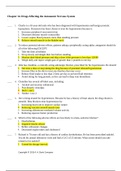
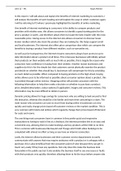
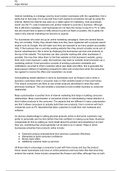
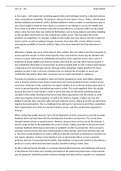
NSG6005 Week 5 Midterm Drugs Affecting the Autonomic Nervous System questions and answers Chapter 14. Drugs Affecting the Autonomic Nervous System . ____ 1. Charlie is a 65-year-old male who has been diagnosed with hypertension and benign prostatic hyperplasia. Doxazosin has been chosen to treat his hypertension because it: 1. Increases peripheral vasoconstriction 2. Decreases detrusor muscle contractility 3. Lowers supine blood pressure more than standing pressure 4. Relaxes smooth muscle in the bladder neck ____ 2.Thyperplasia. Doxazosin has been chosen to treat his hypertension because it: 1. Take the dose at bedtime 2. Sit up slowly and dangle their feet before standing 3. Monitor their blood pressure and skip a dose if the pressure is less than 120/80 4. Weigh daily and report weight gain of greater than 2 pounds in one day ____ 3. John has clonidine, a centrally acting adrenergic blocker, prescribed for his hypertension. He should: 1. Not miss a dose or stop taking the drug because of potential rebound hypertension 2. Increase fiber in the diet to treat any diarrhea that may occur 3. Reduce fluid intake to less than 2 liters per day to prevent fluid retention 4. Avoid sitting for long periods, as this can lead to deep vein thrombosis ____ 4. Clonidine has several off-label uses, including: 1. Alcohol and nicotine withdrawal 2. Post-herpetic neuralgia 3. Both 1 and 2 4. Neither 1 nor 2 ____ 5. Jim is being treated for hypertension. Because he has a history of heart attack, the drug chosen is atenolol. Beta blockers treat hypertension by: 1. Increasing heart rate to improve cardiac output 2. Reducing vascular smooth muscle tone 3. Increasing aldosterone-mediated volume activity 4. Reducing aqueous humor production ____ 6. Which of the following adverse effects are less likely in a beta1-selective blocker? 1. Dysrhythmias 2. Impaired insulin release 3. Reflex orthostatic changes 4. Decreased triglycerides and cholesterol ____ 7. Richard is 70 years old and has a history of cardiac dysrhythmias. He has been prescribed nadolol. You do his annual laboratory work and find a CrCl of 25 ml/min. What action should you take related to his nadolol? 1. Extend the dosage interval. Copyright © 2016 F. A. Davis Company 2. Decrease the dose by 75%. 3. Take no action because this value is expected in the older adult. 4. Schedule a serum creatinine level to validate the CrCl value. ____ 8. Beta blockers are the drugs of choice for exertional angina because they: 1. Improve myocardial oxygen supply by vasodilating the coronary arteries 2. Decrease myocardial oxygen demand by decreasing heart rate and vascular resistance 3. Both 1 and 2 4. Neither 1 nor 2 ____ 9. Adherence to beta blocker therapy may be affected by their: 1. Short half-lives requiring twice daily dosing 2. Tendency to elevate lipid levels 3. Effects on the male genitalia, which may produce impotence 4. None of the above ____ 10. Beta blockers have favorable effects on survival and disease progression in heart failure. Treatment should be initiated when the: 1. Symptoms are severe 2. Patient has not responded to other therapies 3. Patient has concurrent hypertension 4. Left ventricular dysfunction is diagnosed ____ 11. Abrupt withdrawal of beta blockers can be life threatening. Patients at highest risk for serious consequences of rapid withdrawal are those with: 1. Angina 2. Coronary artery disease 3. Both 1 and 2 4. Neither 1 nor 2 ____ 12. To prevent life-threatening events from rapid withdrawal of a beta blocker: 1. The dosage interval should be increased by 1 hour each day. 2. An alpha blocker should be added to the treatment regimen before withdrawal. 3. The dosage should be tapered over a period of weeks. 4. The dosage should be decreased by one-half every 4 days. ____ 13. Beta blockers are prescribed for diabetics with caution because of their ability to produce hypoglycemia and block the common symptoms of it. Which of the following symptoms of hypoglycemia is not blocked by these drugs and so can be used to warn diabetics of possible decreased blood glucose? 1. Dizziness 2. Increased heart rate 3. Nervousness and shakiness 4. Diaphoresis Copyright © 2016 F. A. Davis Company ____ 14. Combined alpha-beta antagonists are used to reduce the progression of heart failure because they: 1. Vasodilate the peripheral vasculature 2. Decrease cardiac output 3. Increase renal vascular resistance 4. Reduce atherosclerosis secondary to elevated serum lipoproteins ____ 15. Carvedilol is heavily metabolized by CYP2D6 and 2C9, resulting in drug interactions with which of the following drug classes? 1. Histamine 2 blockers 2. Quinolones 3. Serotonin re-uptake inhibitors 4. All of the above ____ 16. Alpha-beta blockers are especially effective to treat hypertension for which ethnic group? 1. White 2. Asian 3. African American 4. Native American ____ 17. Bethanechol: 1. Increases detrusor muscle tone to empty the bladder 2. Decreases gastric acid secretion to treat peptic ulcer disease 3. Stimulates voluntary muscle tone to improve strength 4. Reduces bronchial airway constriction to treat asthma ____ 18. Clinical dosing of Bethanechol: 1. Begins at the highest effective dose to obtain a rapid response 2. Starts at 5 mg to 10 mg PO and is repeated every hour until a satisfactory clinical response is achieved 3. Requires dosing only once daily 4. Is the same for both the oral and parenteral route ____ 19. Patients who need to remain alert are taught to avoid which drug due to its antimuscarinic effects? 1. Levothyroxine 2. Prilosec 3. Dulcolax 4. Diphenhydramine ____ 20. Anticholinesterase inhibitors are used to treat: 1. Peptic ulcer disease 2. Myasthenia gravis 3. Both 1 and 2 4. Neither 1 nor 2 ____ 21. Which of the following drugs used to treat Alzheimer’s disease is not an anticholinergic? 1. Donepezil 2. Memantine Copyright © 2016 F. A. Davis Company 3. Rivastigmine 4. Galantamine ____ 22. Taking which drug with food maximizes it bioavailability? 1. Donepezil 2. Galantamine 3. Rivastigmine 4. Memantine ____ 23. Which of the following drugs should be used only when clearly needed in pregnant and breastfeeding women? 1. Memantine 2. Pyridostigmine 3. Galantamine 4. Rivastigmine ____ 24. There is a narrow margin between first appearance of adverse reaction to AChE inhibitors and serious toxic effects. Adverse reactions that require immediate action include: 1. Dizziness and headache 2. Nausea 3. Decreased salivation 4. Fasciculations of voluntary muscles ____ 25. Adherence is improved when a drug can be given once daily. Which of the following drugs can be given once daily? 1. Tacrine 2. Donepezil 3. Memantine 4. Pyridostigmine ____ 26. Nicotine has a variety of effects on nicotinic receptors throughout the body. Which of the following is NOT an effect of nicotine? 1. Vasodilation and decreased heart rate 2. Increased secretion of gastric acid and motility of the GI smooth muscle 3. Release of dopamine at the pleasure center 4. Stimulation of the locus coeruleus ____ 27. Nicotine gum products are: 1. Chewed to release the nicotine and then swallowed for a systemic effect 2. “Parked” in the buccal area of the mouth to produce a constant amount of nicotine release 3. Bound to exchange resins so the nicotine is only released during chewing 4. Approximately the same in nicotine content as smoking two cigarettes ____ 28. Nicotine replacement therapy (NRT): 1. Is widely distributed in the body only when the gum products are used Copyright © 2016 F. A. Davis Company 2. Does not cross the placenta and so is safe for pregnant women 3. Delays healing of esophagitis and peptic ulcers 4. Has no drug interactions when a transdermal patch is used ____ 29. Success rates for smoking cessation using NRT: 1. Are about the same regardless of the method chosen 2. Vary from 40% to 50% at 12 months 3. Both 1 and 2 4. Neither 1 nor 2 ____ 30. Cholinergic blockers are used to: 1. Counteract the extrapyramidal symptoms (EPS) effects of phenothiazines 2. Control tremors and relax smooth muscle in Parkinson’s disease 3. Inhibit the muscarinic action of ACh on bladder muscle 4. All of the above ____ 31. Several classes of drugs have interactions with cholinergic blockers. Which of the following is true about these interactions? 1. Drugs with a narrow therapeutic range given orally may not stay in the GI tract long enough to produce an action. 2. Additive antimuscarinic effects may occur with antihistamines. 3. Cholinergic blockers may decrease the sedative effects of hypnotics. 4. Cholinergic blockers are contraindicated with antipsychotics. ____ 32. Scopolamine can be used to prevent the nausea and vomiting associated with motion sickness. The patient is taught to: 1. Apply the transdermal disk at least 4 hours before the antiemetic effect is desired. 2. Swallow the tablet 1 hour before traveling where motion sickness is possible. 3. Place the tablet under the tongue and allow it to dissolve. 4. Change the transdermal disk daily for maximal effect. ____ 33. You are managing the care of a patient recently diagnosed with benign prostatic hyperplasia (BPH). He is taking tamsulosin but reports dizziness when standing abruptly. The best option for this patient is: 1. Continue the tamsulosin because the side effect will resolve with continued treatment. 2. Discontinue the tamsulosin and start doxazosin. 3. Have him double his fluid intake and stand more slowly. 4. Prescribe meclizine as needed for the dizziness. ____ 34. You are treating a patient with a diagnosis of Alzheimer’s disease. The patient’s wife mentions difficulty with transportation to the clinic. Which medication is the best choice? 1. Donepezil 2. Tacrine 3. Doxazosin 4. Verapamil Copyright © 2016 F. A. Davis Company ____ 35. A patient presents with a complaint of dark stools and epigastric pain described as gnawing and burning. Which of the medications is the most likely cause? 1. Acetaminophen 2. Estradiol 3. Donepezil 4. Bethanechol ____ 36. Your patient calls for an appointment before going on vacation. Which medication should you ensure he has an adequate supply of before leaving to avoid life-threatening complications? 1. Carvedilol 2. Donepezil 3. Bethanechol 4. Tacrine ____ 37. Activation of central alpha2 receptors results in inhibition of cardioacceleration and ______________ centers in the brain. 1. Vasodilation 2. Vasoconstriction 3. Cardiovascular 4. Respiratory Copyright © 2016 F. A. Davis Company Chapter 16. Drugs Affecting the Cardiovascular and Renal Systems ____ 1. Ray has been diagnosed with hypertension and an angiotensin-converting enzyme inhibitor is determined to be needed. Prior to prescribing this drug, the NP should assess for: 1. Hypokalemia 2. Impotence 3. Decreased renal function 4. Inability to concentrate ____ 2. Angiotensin-converting enzyme inhibitors are the drug of choice in treating hypertension in diabetic patients because they: 1. Improve insulin sensitivity 2. Improve renal hemodynamics 3. Reduce the production of angiotensin II 4. All of the above ____ 3. A potentially life-threatening adverse response to angiotensin-converting enzyme inhibitors is angioedema. Which of the following statements is true about this adverse response? 1. Swelling of the tongue or hoarseness are the most common symptoms. 2. It appears to be related to the decrease in aldosterone production. 3. Presence of a dry, hacky cough indicates a high risk for this adverse response. 4. Because it takes time to build up a blood level, it occurs after being on the drug for about 1 week. ____ 4. Angiotensin-converting enzyme inhibitors are useful in a variety of disorders. Which of the following statements are true about both its usefulness in the disorder and the reason for its use? 1. Stable angina because it decreases the thickening of vascular walls due to decreased modified release. 2. Heart failure because it reduces remodeling of injured myocardial tissues. 3. Both 1 and 2 are true and the reasons are correct. 4. Both 1 and 2 are true but the reasons are wrong. 5. Neither 1 nor 2 are true. ____ 5. Despite good blood pressure control, an NP might change a patient’s drug from an angiotensinconverting enzyme (ACE) inhibitor to an angiotensin II receptor blocker (ARB) because the ARB: 1. Is stronger than the ACE inhibitor 2. Does not produce a dry, hacky cough 3. Has no effect on the renal system 4. Reduces sodium and water retention ____ 6. While taking an angiotensin II receptor blocker (ARB), patients need to avoid certain over-thecounter drugs without first consulting the provider because: 1. Cimetidine is metabolized by the CYP 3A4 isoenzymes 2. Nonsteroidal anti-inflammatory drugs reduce prostaglandin levels 3. Both 1 and 2 Copyright © 2016 F. A. Davis Company 4. Neither 1 nor 2 ____ 7. Laboratory monitoring for patients on angiotensin-converting enzyme inhibitors or angiotensin II receptor blockers should include: 1. White blood cell counts with the drug dosage increased for elevations above 10,000 feet 2. Liver function tests with the drug dosage stopped for alanine aminotransferase values twice that of normal 3. Serum creatinine levels with the drug dosage reduced for values greater than 2.5 mg/dL 4. Serum glucose levels with the drug dosage increased for levels greater than 120 mg/dL ____ 8. Jacob has hypertension, for which a calcium channel blocker has been prescribed. This drug helps control blood pressure because it: 1. Decreases the amount of calcium inside the cell 2. Reduces stroke volume 3. Increases the activity of the Na+/K+/ATPase pump indirectly 4. Decreases heart rate ____ 9. Which of the following adverse effects may occur due to a dihydropyridine-type calcium channel blocker? 1. Bradycardia 2. Hepatic impairment 3. Increased contractility 4. Edema of the hands and feet ____ 10. Patient teaching related to amlodipine includes: 1. Increase calcium intake to prevent osteoporosis from a calcium blockade. 2. Do not crush the tablet; it must be given in liquid form if the patient has trouble swallowing it. 3. Avoid grapefruit juice as it affects the metabolism of this drug. 4. Rise slowly from a supine position to reduce orthostatic hypotension. ____ 11. Vera, age 70, has isolated systolic hypertension. Calcium channel blocker dosages for her should be: 1. Started at about half the usual dosage 2. Not increased over the usual dosage for an adult 3. Given once daily because of memory issues in the older adult 4. Withheld if she experiences gastroesophageal reflux ____ 12. Larry has heart failure, which is being treated with digoxin because it exhibits: 1. Negative inotropism 2. Positive chronotropism 3. Both 1 and 2 4. Neither 1 nor 2 Copyright © 2016 F. A. Davis Company ____ 13. Furosemide is added to a treatment regimen for heart failure that includes digoxin. Monitoring for this combination includes: 1. Hemoglobin 2. Serum potassium 3. Blood urea nitrogen 4. Serum glucose ____ 14. Which of the following create a higher risk for digoxin toxicity? Both the cause and the reason for it must be correct. 1. Older adults because of reduced renal function 2. Administration of aldosterone antagonist diuretics because of decreased potassium levels 3. Taking an antacid for gastroesophageal reflux disease because it increases the absorption of digoxin 4. Doses between 0.25 and 0.5 mg/day ____ 15. Serum digoxin levels are monitored for potential toxicity. Monitoring should occur: 1. Within 6 hours of the last dose 2. Because a reference point is needed in adjusting a dose 3. After three half-lives from the starting of the drug 4. When a patient has stable renal function ____ 16. Rodrigo has been prescribed procainamide after a myocardial infarction. He is monitored for dyspnea, jugular venous distention, and peripheral edema because they may indicate: 1. Widening of the area of infarction 2. Onset of congestive heart failure 3. An electrolyte imbalance involving potassium 4. Renal dysfunction ____ 17. Which of the following is true about procainamide and its dosing schedule? 1. It produces bradycardia and should be used cautiously in patients with cardiac conditions that a slower heart rate might worsen. 2. Gastrointestinal adverse effects are common so the drug should be taken with food. 3. Adherence can be improved by using a sustained release formulation that can be given once daily. 4. Doses of this drug should be taken evenly spaced around the clock to keep an even blood level. ____ 18. Amiodarone has been prescribed in a patient with a supraventricular dysrhythmia. Patient teaching should include all of the following EXCEPT: 1. Notify your health-care provider immediately if you have visual change. 2. Monitor your own blood pressure and pulse daily. 3. Take a hot shower or bath if you feel dizzy. 4. Use a sunscreen on exposed body surfaces. Copyright © 2016 F. A. Davis Company ____ 19. The NP orders a thyroid panel for a patient on amiodarone. The patient tells the NP that he does not have thyroid disease and wants to know why the test is ordered. Which is a correct response? 1. Amiodarone inhibits an enzyme that is important in making thyroid hormone and can cause hypothyroidism. 2. Amiodarone damages the thyroid gland and can result in inflammation of that gland, causing hyperthyroidism. 3. Amiodarone is a broad spectrum drug with many adverse effects. Many different tests need to be done before it is given. 4. Amiodarone can cause corneal deposits in up to 25% of patients. ____ 20. Isosorbide dinitrate is prescribed for a patient with chronic stable angina. This drug is administered twice daily, but the schedule is 7 a.m. and 2 p.m. because: 1. It is a long-acting drug with potential for toxicity. 2. Nitrate tolerance can develop. 3. Orthostatic hypotension is a common adverse effect. 4. It must be taken with milk or food. ____ 21. Art is a 55-year-old smoker who has been diagnosed with angina and placed on nitrates. He complains of headaches after using his nitrate. An appropriate reply might be: 1. This is a parasympathetic response to the vasodilating effects of the drug. 2. Headaches are common side effects with these drugs. How severe are they? 3. This is associated with your smoking. Let’s work on having you stop smoking. 4. This is not related to your medication. Are you under a lot of stress? ____ 22. In teaching about the use of sublingual nitroglycerine, the patient should be instructed: 1. To swallow the tablet with a full glass of water 2. To place one tablet under the tongue if chest pain occurs and allow it to dissolve 3. To take one tablet every 5 minutes until the chest pain goes away 4. That it should “burn” when placed under the tongue or it is no longer effective ____ 23. Donald has been diagnosed with hyperlipidemia. Based on his lipid profile, atorvastatin is prescribed. Rhabdomyolysis is a rare but serious adverse response to this drug. Donald should be told to: 1. Become a vegetarian because this disorder is associated with eating red meat. 2. Stop taking the drug if abdominal cramps and diarrhea develop. 3. Report muscle weakness or tenderness and dark urine to his provider immediately. 4. Expect “hot flash” sensations during the first 2 weeks of therapy. ____ 24. Which of the following diagnostic studies would NOT indicate a problem related to a reductase inhibitor? 1. Elevated serum transaminase 2. Increased serum creatinine 3. Elevated creatinine kinase 4. Increased white blood cell counts ____ 25. Because of the pattern of cholesterol synthesis, reductase inhibitors are given: Copyright © 2016 F. A. Davis Company 1. In the evening in a single daily dose 2. Twice daily in the morning and the evening 3. With each meal and at bedtime 4. In the morning before eating ____ 26. Janice has elevated LDL, VLDL, and triglyceride levels. Niaspan, an extended-release form of niacin, is chosen to treat her hyperlipidemia. Due to its metabolism and excretion, which of the following laboratory results should be monitored? 1. Serum alanine aminotransferase 2. Serum amylase 3. Serum creatinine 4. Phenylketonuria ____ 27. Niaspan is less likely to cause which side effect that is common to niacin? 1. Gastrointestinal irritation 2. Cutaneous flushing 3. Dehydration 4. Headaches ____ 28. Dulcea has type 2 diabetes and a high triglyceride level. She has gemfibrozil prescribed to treat her hypertriglyceridemia. A history of which of the following might contraindicate the use of this drug? 1. Reactive airway disease/asthma 2. Inflammatory bowel disease 3. Allergy to aspirin 4. Gallbladder disease ____ 29. Many patients with hyperlipidemia are treated with more than one drug. Combining a fibric acid derivative such as gemfibrozil with which of the following is not recommended? The drug and the reason must both be correct for the answer to be correct. 1. Reductase inhibitors, due to an increased risk for rhabdomyolysis 2. Bile-acid sequestering resins, due to interference with folic acid absorption 3. Grapefruit juice, due to interference with metabolism 4. Niacin, due to decreased gemfibrozil activity ____ 30. Felicity has been prescribed colestipol to treat her hyperlipidemia. Unlike other anti-lipidemics, this drug: 1. Blocks synthesis of cholesterol in the liver 2. Exchanges chloride ions for negatively charged acids in the bowel 3. Increases HDL levels the most among the classes 4. Blocks the lipoprotein lipase pathway ____ 31. Because of their site of action, bile acid sequestering resins: 1. Should be administered separately from other drugs by at least 4 hours 2. May increase the risk for bleeding 3. Both 1 and 2 4. Neither 1 nor 2 Copyright © 2016 F. A. Davis Company ____ 32. Colestipol comes in a powdered form. The patient is taught to: 1. Take the powder dry and follow it with at least 8 ounces of water 2. Take it with a meal to enhance its action on fatty food 3. Mix the powder with 4 to 6 ounces of milk or fruit juice 4. Take after the evening meal to coincide with cholesterol synthesis ____ 33. The choice of diuretic to use in treating hypertension is based on: 1. Presence of diabetes with loop diuretics being used for these patients 2. Level of kidney function with a thiazide diuretic being used for an estimated glomerular filtration rate higher than the mid-40mL/min range 3. Ethnicity with aldosterone antagonists best for African Americans and older adults 4. Presence of hyperlipidemia with higher doses needed for patients with LDL above 130 mg/dL ____ 34. Direct renin inhibitors have the following properties. They: 1. Are primarily generic drugs 2. Are a renin-angiotensin-aldosterone system (RAAS) medication that is safe during pregnancy 3. Can be used with an angiotensin-converting enzyme and angiotensin II receptor blocker medications for stronger impact 4. “Shut down” the entire RAAS cycle ____ 35. When comparing angiotensin-converting enzyme (ACE) and angiotensin II receptor blocker (ARB) medications, which of the following holds true? 1. Both have major issues with a dry, irritating cough 2. Both contribute to some retention of potassium 3. ARBs have a stronger impact on hypertension control than ACE medications 4. ARBs have stronger diabetes mellitus renal protection properties than ACE medications ____ 36. What does the provider understand about the issue of “Diabetic Renal Protection” with angiotensinconverting enzyme (ACE) medications? Diabetes mellitus patients: 1. Have a reduced rate of renal progression, but still need to be discontinued when advanced renal issues present 2. Who start these medications never progress to renal nephropathy 3. With early renal dysfunction will see it reverse when on ACE medications 4. Without renal issues are the only ones who benefit from ACE protection ____ 37. What dermatological issue is linked to Amiodarone use? 1. Increased risk of basal cell carcinoma 2. Flare up of any prior psoriasis problems 3. Development of plantar warts 4. Progressive change of skin tone toward a blue spectrum Copyright © 2016 F. A. Davis Company ____ 38. Commercials on TV for erectile dysfunction (ED) medications warn about mixing them with nitrates. Why? 1. Increased risk of priapism 2. Profound hypotension 3. Development of blue discoloration to the visual field 4. Inactivation of the ED medication effect Copyright © 2016 F. A. Davis Company Chapter 18. Drugs Affecting the Hematopoietic System ____ 1. Kenneth is taking warfarin and is asking about what he can take for minor aches and pains. The best recommendation is: 1. Ibuprofen 400 mg three times a day 2. Acetaminophen, not to exceed 4 grams per day 3. Prescribe acetaminophen with codeine 4. Aspirin 640 mg three times a day ____ 2. Juanita had a deep vein thrombosis (DVT) and was on heparin in the hospital and was discharged on warfarin. She asks her primary care provider NP why she was getting both medications while in the hospital. The best response is to: 1. Contact the hospitalist as this is not the normal guideline for prescribing these two medications and she may have had a more complicated case. 2. Explain that warfarin is often started while a patient is still on heparin because warfarin takes a few days to reach effectiveness. 3. Encourage the patient to contact the Customer Service department at the hospital as this was most likely a medication error during her admission. 4. Draw anticoagulation studies to make sure she does not have dangerously high bleeding times. ____ 3. The safest drug to use to treat pregnant women who require anticoagulant therapy is: 1. Low-molecular-weight heparin 2. Warfarin 3. Aspirin 4. Heparin ____ 4. The average starting dose of warfarin is 5 mg daily. Higher doses of 7.5 mg daily should be considered in which patients? 1. Pregnant women 2. Elderly men 3. Overweight or obese patients 4. Patients with multiple comorbidities ____ 5. Cecil and his wife are traveling to Southeast Asia on vacation and he has come into the clinic to review his medications. He is healthy with only mild hypertension that is well controlled. He asks about getting “a shot” to prevent blood clots like his friend Ralph did before international travel. The correct respond would be: 1. Administer one dose of low-molecular weight heparin 24 hours before travel. 2. Prescribe one dose of warfarin to be taken the day of travel. 3. Consult with a hematologist regarding a treatment plan for Cecil. 4. Explain that Cecil is not at high risk of a blood clot and provide education about how to prevent blood clots while traveling. Copyright © 2016 F. A. Davis Company ____ 6. Robert, age 51 years, has been told by his primary care provider (PCP) to take an aspirin a day. Why would this be recommended? 1. He has arthritis and this will help with the inflammation and pain. 2. Aspirin has anti-platelet activity and prevents clots that cause heart attacks. 3. Aspirin acidifies the urine and he needs this for prostrate health. 4. He has a history of GI bleed, and one aspirin a day is a safe dosage. ____ 7. Sally has been prescribed aspirin 320 mg per day for her atrial fibrillation. She also takes aspirin four or more times a day for arthritis pain. What are the symptoms of aspirin toxicity for which she would need to be evaluated? 1. Tinnitus 2. Diarrhea 3. Hearing loss 4. Photosensitivity ____ 8. Patient education when prescribing clopidogrel includes: 1. Do not take any herbal products without discussing it with the provider. 2. Monitor urine output closely and contact the provider if it decreases. 3. Clopidogrel can be constipating, use a stool softener if needed. 4. The patient will need regular anticoagulant studies while on clopidogrel. ____ 9. For patients taking warfarin, INRs are best drawn: 1. Monthly throughout therapy 2. Three times a week throughout therapy 3. Two hours after the last dose of warfarin to get an accurate peak level 4. In the morning if the patient takes their warfarin at night ____ 10. Patients receiving heparin therapy require monitoring of: 1. Platelets every 2 to 3 days for thrombocytopenia that may occur on day 4 of therapy 2. Electrolytes for elevated potassium levels in the first 24 hours of therapy 3. INR throughout therapy to stay within the range of 2.0 4. Blood pressure for hypertension that may occur in the first 2 days of treatment ____ 11. The routine monitoring recommended for low molecular weight heparin is: 1. INR every 2 days until stable, then weekly 2. aPTT every week while on therapy 3. Factor Xa levels if the patient is pregnant 4. White blood cell count every 2 weeks ____ 12. When writing a prescription for warfarin it is common to write _________ on the prescription. 1. OK to substitute for generic 2. The brand name of warfarin and Do Not Substitute 3. PRN refills 4. Refills for 1 year Copyright © 2016 F. A. Davis Company ____ 13. Education of patients who are taking warfarin includes discussing their diet. Instructions include: 1. Avoiding all vitamin K-containing foods 2. Avoiding high-vitamin K-containing foods 3. Increasing intake of iron-containing foods 4. Making sure they eat 35 grams of fiber daily ____ 14. Patients who are being treated with epoetin alfa need to be monitored for the development of: 1. Thrombocytopenia 2. Neutropenia 3. Hypertension 4. Gout ____ 15. The FDA issued a safety announcement regarding the use of erythropoiesis-stimulating agents (ESAs) in 2010 with the recommendation that: 1. ESAs no longer be prescribed to patients with chronic renal failure 2. The risk of tumor development be explained to cancer patients on ESA therapy 3. Patients should no longer receive ESA therapy to prepare for allogenic transfusions 4. ESAs be prescribed only to patients younger than age 60 years ____ 16. When patients are started on darbepoetin alfa (Aranesp) they need monitoring of their blood counts to determine a dosage adjustment in: 1. 6 weeks if they are a cancer patient 2. 1 week if they have chronic renal failure 3. 2 weeks if they are taking it for allogenic transfusion 4. Each week throughout therapy ____ 17. Jim is having a hip replacement surgery and would like to self-donate blood for the surgery. In addition to being prescribed epogen alpha he should also be prescribed: 1. Folic acid to prevent megaloblastic anemia 2. Iron, to start when the epogen starts 3. An antihypertensive to counter the adverse effects of epogen 4. Vitamin B12 to prevent pernicious anemia ____ 18. Monitoring for a patient being prescribed iron for iron deficiency anemia includes: 1. Reticulocyte count 1 week after therapy is started 2. Complete blood count every 2 weeks throughout therapy 3. Hemoglobin level at 1 week of therapy 4. INR weekly throughout therapy ____ 19. Patient education regarding taking iron replacements includes: 1. Doubling the dose if they miss a dose to maintain therapeutic levels 2. Taking the iron with milk or crackers if it upsets their stomach 3. Iron is best taken on an empty stomach with juice 4. Antacids such as Tums may help the upset stomach caused by iron therapy ____ 20. Patients with pernicious anemia require treatment with: Copyright © 2016 F. A. Davis Company 1. Iron 2. Folic acid 3. Epogen alpha 4. Vitamin B12 ____ 21. The first laboratory value indication that vitamin B12 therapy is adequately treating pernicious anemia is: 1. Hematocrit levels start to rise 2. Hemoglobin levels return to normal 3. Reticulocyte count begins to rise 4. Vitamin B12 levels return to normal ____ 22. Patients who are beginning therapy with vitamin B12 need to be monitored for: 1. Hypertensive crisis that may occur in the first 36 hours 2. Hypokalemia that occurs in the first 48 hours 3. Leukopenia that occurs at 1 to 3 weeks of therapy 4. Thrombocytopenia that may occur at any time in therapy Copyright © 2016 F. A. Davis Company Chapter 27. Anemia ____ 1. Pernicious anemia is treated with: 1. Folic acid supplements 2. Thiamine supplements 3. Vitamin B12 4. Iron ____ 2. Premature infants require iron supplementation with: 1. 10 mg/day of iron 2. 2 mg/kg per day until age 12 months 3. 7 mg/day in their diet 4. 1 mg/kg per day until they are receiving adequate intake of iron from foods ____ 3. Breastfed infants should receive iron supplementation of: 1. 3 mg/kg per day 2. 6 mg/kg per day 3. 1 mg/kg per day 4. Breastfed babies do not need iron supplementation ____ 4. Valerie presents to the clinic with menorrhagia. Her hemoglobin is 10.2 and her ferritin is 15 ng/mL. Initial treatment for her anemia would be: 1. 18 mg/day of iron supplementation 2. 6 mg/kg per day of iron supplementation 3. 325 mg ferrous sulfate per day 4. 325 mg ferrous sulfate tid ____ 5. Chee is a 15-month-old male whose screening hemoglobin is 10.4 g/dL. Treatment for his anemia would be: 1. 18 mg/day of iron supplementation 2. 6 mg/kg per day of elemental iron 3. 325 mg ferrous sulfate per day 4. 325 mg ferrous sulfate tid ____ 6. Monitoring for a patient taking iron to treat iron deficiency anemia is: 1. Hemoglobin, hematocrit, and ferritin 4 weeks after treatment is started 2. Complete blood count every 4 weeks throughout treatment 3. Annual complete blood count 4. Reticulocyte count in 4 weeks ____ 7. Valerie has been prescribed iron to treat her anemia. Education of patients prescribed iron would include: 1. Take the iron with milk if it upsets her stomach. 2. Antacids may help with the nausea and GI upset caused by iron. 3. Increase fluids and fiber to treat constipation. 4. Iron is best tolerated if it is taken at the same time as her other medications. Copyright © 2016 F. A. Davis Company ____ 8. Allie has just had her pregnancy confirmed and is asking about how to ensure a healthy baby. What is the folic acid requirement during pregnancy? 1. 40 mcg/day 2. 200 mcg/day 3. 800 mcg/day 4. 2 gm/day ____ 9. Kyle has Crohn’s disease and has a documented folate deficiency. Drug therapy for folate deficiency anemia is: 1. Oral folic acid 1 to 2 mg per day 2. Oral folic acid 1 gram per day 3. IM folate weekly for at least 6 months 4. Oral folic acid 400 mcg daily ____ 10. Patients who are being treated for folate deficiency require monitoring of: 1. Complete blood count every 4 weeks 2. Hematocrit and hemoglobin at 1 week and then at 8 weeks 3. Reticulocyte count at 1 week 4. Folate levels every 4 weeks until hemoglobin stabilizes ____ 11. The treatment of vitamin B12 deficiency is: 1. 1,000 mcg daily of oral cobalamin 2. 2 gm per day of oral cobalamin 3. Vitamin B12 100 mcg/day IM 4. 500 mcg/dose nasal cyanocobalamin 2 sprays once a week ____ 12. The dosage of Vitamin B12 to initially treat pernicious anemia is: 1. Nasal cyanocobalamin 1 gram spray in each nostril daily x 1 week then weekly x 1 month 2. Vitamin B12 IM monthly 3. Vitamin B12 1,000 mcg IM daily x 1 week then 1,000 mg IM weekly for a month 4. Oral cobalamin 1,000 mcg daily ____ 13. Before beginning IM vitamin B12 therapy, which laboratory values should be obtained? 1. Reticulocyte count, hemoglobin, and hematocrit 2. Iron 3. Vitamin B12 4. All of the above ____ 14. ________ should be monitored when vitamin B12 therapy is started. 1. Serum calcium 2. Serum potassium 3. Ferritin 4. C-reactive protein ____ 15. Anemia due to chronic renal failure is treated with: Copyright © 2016 F. A. Davis Company 1. Epoetin alfa (Epogen) 2. Ferrous sulfate 3. Vitamin B12 4. Hydroxyurea Copyright © 2016 F. A. Davis Company Chapter 28. Chronic Stable Angina and Low-Risk Unstable Angina ____ 1. Angina is produced by an imbalance between myocardial oxygen supply (MOS) and demand (MOD) in the myocardium. Which of the following drugs help to correct this imbalance by increasing MOS? 1. Calcium channel blockers 2. Beta blockers 3. Angiotensin-converting-enzyme (ACE) inhibitors 4. Aspirin ____ 2. Not all chest pain is caused by myocardial ischemia. Noncardiac causes of chest pain include: 1. Pulmonary embolism 2. Pneumonia 3. Gastroesophageal reflux 4. All of the above ____ 3. The New York Heart Association and the Canadian Cardiovascular Society have described grading criteria for levels of angina. Angina that occurs with unusually strenuous activity or on walking or climbing stair after meals is class: 1. I 2. II 3. III 4. IV ____ 4. Patients at high risk for developing significant coronary heart disease are those with: 1. LDL values between 100 and 130 2. Systolic blood pressure between 120 and 130 3. Class III angina 4. Obesity ____ 5. To reduce mortality, all patients with angina, regardless of class, should be on: 1. Aspirin 81 to 325 mg/d 2. Nitroglycerin sublingually for chest pain 3. ACE inhibitors or angiotensin receptor blockers 4. Digoxin ____ 6. Patients who have angina, regardless of class, who are also diabetic, should be on: 1. Nitrates 2. Beta blockers 3. ACE inhibitors 4. Calcium channel blockers ____ 7. Management of all types and grades of angina includes the use of lifestyle modification to reduce risk factors. Which of these modifications are appropriate for which reason? Both the modification and the reason for it must be true for the answer to be correct. 1. Lose at least 10 pounds of body weight. Excessive weight increases cardiac Copyright © 2016 F. A. Davis Company workload. 2. Reduce sodium intake to no more than 2,400 mg of sodium. Sodium increases blood volume and cardiac workload. 3. Increase potassium intake to at least 100 mEq/d. The heart needs higher levels of potassium to improve contractility and oxygen supply. 4. Intake a moderate amount of alcohol. Moderate intake has been shown by research to improve cardiac function. ____ 8. Nitrates are especially helpful for patients with angina who also have: 1. Heart failure 2. Hypertension 3. Both 1 and 2 4. Neither 1 nor 2 ____ 9. Beta blockers are especially helpful for patients with exertional angina who also have: 1. Arrhythmias 2. Hypothyroidism 3. Hyperlipidemia 4. Atherosclerosis ____ 10. Rapid-acting nitrates are important for all angina patients. Which of the following are true statements about their use? 1. These drugs are useful for immediate symptom relief when the patient is certain it is angina. 2. The dose is one sublingual tablet or spray every 5 minutes until the chest pain goes away. 3. Take one nitroglycerine tablet or spray at the first sign of angina; repeat every 5 minutes for no more than two doses. If chest pain is still not relieved, call 911. 4. All of the above ____ 11. Isosorbide dinitrate is a long-acting nitrate given twice daily. The schedule for administration is 7 a.m. and 2 p.m. because: 1. Long-acting forms have a higher risk for toxicity. 2. Orthostatic hypotension is a common adverse effect. 3. It must be taken with milk or food. 4. Nitrate tolerance can develop. ____ 12. Combinations of a long-acting nitrate and a beta blocker are especially effective in treating angina because: 1. Nitrates increase MOS and beta blockers increase MOD. 2. Their additive effects permit lower doses of both drugs and their adverse reactions cancel each other out. 3. They address the pathology of patients with exertional angina who have fixed atherosclerotic coronary heart disease. 4. All of the above Copyright © 2016 F. A. Davis Company ____ 13. Drug choices to treat angina in older adults differ from those of younger adults only in: 1. Consideration of risk factors for diseases associated with and increased in aging 2. The placement of drug therapy as a treatment choice before lifestyle changes are tried 3. The need for at least three drugs in the treatment regimen because of the complexity of angina in the older adult 4. Those with higher risk for silent myocardial infarction ____ 14. Which of the following drugs has been associated with increased risk for myocardial infarction in women? 1. Aspirin 2. Beta blockers 3. Estrogen replacement 4. Lipid-lowering agents ____ 15. Cost of antianginal drug therapy should be considered in drug selection because of all of the following EXCEPT: 1. Patients often require multiple drugs 2. A large number of angina patients are older adults on fixed incomes 3. Generic formulations may be cheaper but are rarely bioequivalent 4. Lack of drug selectivity may result in increased adverse reactions ____ 16. Situations that suggest referral to a specialist is appropriate include: 1. When chronic stable angina becomes unpredictable in its characteristics and precipitating factors 2. When a post-myocardial infarction patient develops new-onset angina 3. When standard therapy is not successful in improving exercise tolerance or reducing the incidence of angina 4. All of the above ____ 17. The rationale for prescribing calcium blockers for angina can be based on the need for: 1. Increased inotropic effect in the heart 2. Increasing peripheral perfusion 3. Keeping heart rates high enough to ensure perfusion of coronary arteries 4. Help with rate control ____ 18. Medications are typically started for angina patients when: 1. The first permanent EKG changes occur 2. The start of class I or II symptoms 3. The events trigger a trip to the emergency department 4. When troponin levels become altered ____ 19. The most common cause of angina is: 1. Vasospasm of the coronary arteries 2. Atherosclerosis 3. Platelet aggregation Copyright © 2016 F. A. Davis Company 4. Low systemic oxygen ____ 20. Ranolazine is used in angina patients to: 1. Dilate plaque-filled arteries 2. Inhibit platelet aggregation 3. Restrict late sodium flow in the myocytes ____ 21. When is aspirin (ASA) used in angina patients? 1. All angina patients should be taking ASA unless it is contraindicated for allergy or other medical reasons. 2. ASA should only be used in men. 3. ASA has no role in angina, but is useful in MI prevention. 4. The impact of ASA is best at the time of an angina attack. Copyright © 2016 F. A. Davis Company Chapter 36. Heart Failure ____ 1. Angiotensin-converting-enzyme (ACE) inhibitors are a central part of the treatment of heart failure because they have more than one action to address the pathological changes in this disorder. Which of the following pathological changes in heart failure is NOT addressed by ACE inhibitors? 1. Changes in the structure of the left ventricle so that it dilates, hypertrophies, and uses energy less efficiently. 2. Reduced formation of cross-bridges so that contractile force decreases. 3. Activation of the sympathetic nervous system that increases heart rate and preload. 4. Decreased renal blood flow that decreases oxygen supply to the kidneys. ____ 2. One of the three types of heart failure involves systolic dysfunction. Potential causes of this most common form of heart failure include: 1. Myocardial ischemia and injury secondary to myocardial infarction 2. Inadequate relaxation and loss of muscle fiber secondary to valvular dysfunction 3. Increased demands of the heart beyond its ability to adapt secondary to anemia 4. Slower filling rate and elevated systolic pressures secondary to uncontrolled hypertension ____ 3. The American Heart Association and the American College of Cardiology have devised a classification system for heart failure that can be used to direct treatment. Patients with symptoms and underlying disease are classified as stage: 1. A 2. B 3. C 4. D ____ 4. Diagnosis of heart failure cannot be made by symptoms alone because many disorders share the same symptoms. The most specific and sensitive diagnostic test for heart failure is: 1. Chest x-rays that show cephalization and measure heart size 2. Two-dimensional echocardiograms that identify structural anomalies and cardiac dysfunction 3. Complete blood count, blood urea nitrogen, and serum electrolytes that facilitate staging for end-organ damage 4. Measurement of brain natriuretic peptide to distinguish between systolic and diastolic dysfunction ____ 5. Treatments for heart failure, including drug therapy, are based on the stages developed by the ACC/AHA. Stage A patients are treated with: 1. Drugs for hypertension and hyperlipidemia, if they exist 2. Lifestyle management including diet, exercise, and smoking cessation only 3. Angiotensin-converting enzyme (ACE) inhibitors to directly affect the heart failure only 4. No drugs are used in this early stage Copyright © 2016 F. A. Davis Company ____ 6. Class I recommendations for stage A heart failure include: 1. Aerobic exercise within tolerance levels to prevent the development of heart failure 2. Reduction of sodium intake to less than 2,000 mg/day to prevent fluid retention 3. Beta blockers for all patients regardless of cardiac history 4. Treatment of thyroid disorders, especially if they are associated with tachyarrhythmias ____ 7. Stage B patients should have beta blockers added to their heart failure treatment regimen when: 1. They have an ejection fraction less than 40% 2. They have had a recent MI 3. Both 1 and 2 4. Neither 1 nor 2 ____ 8. Increased life expectancy for patients with heart failure has been associated with the use of: 1. ACE inhibitors, especially when started early in the disease process 2. All beta blockers regardless of selectivity 3. Thiazide and loop diuretics 4. Cardiac glycosides ____ 9. Stage C patients usually require a combination of three to four drugs to manage their heart failure. In addition to ACE inhibitors and beta blockers, diuretics may be added. Which of the following statements about diuretics is NOT true? 1. Diuretics reduce preload associated with fluid retention. 2. Diuretics can be used earlier than stage C when the goal is control of hypertension. 3. Diuretics may produce problems with electrolyte imbalances and abnormal glucose and lipid metabolism. 4. Diuretics from the potassium-sparing class should be used when using an angiotensin receptor blocker (ARB). ____ 10. Digoxin has a very limited role in treatment of heart failure. It is used mainly for patients with: 1. Ejection fractions above 40% 2. An audible S3 3. Mitral stenosis as a primary cause for heart failure 4. Renal insufficiency ____ 11. Which of the following classes of drugs is contraindicated in heart failure? 1. Nitrates 2. Long-acting dihydropyridines 3. Calcium channel blockers 4. Alpha-beta blockers ____ 12. Heart failure is a leading cause of death and hospitalization in older adults (greater than 65 years old). The drug of choice for this population is: 1. Aldosterone antagonists 2. Eplerenone Copyright © 2016 F. A. Davis Company 3. ACE inhibitors 4. ARBs ____ 13. ACE inhibitors are contraindicated in pregnancy. While treatment of heart failure during pregnancy is best done by a specialist, which of the following drug classes is considered to be safe, at least in the later parts of pregnancy? 1. Diuretics 2. ARBs 3. Beta blockers 4. Nitrates ____ 14. Heart failure is a chronic condition that can be adequately managed in primary care. However, consultation with or referral to a cardiologist is appropriate when: 1. Symptoms markedly worsen or the patient becomes hypotensive and has syncope 2. There is evidence of progressive renal insufficiency or failure 3. The patient remains symptomatic on optimal doses of an ACE inhibitor, a beta blocker, and a diuretic 4. Any of the above ____ 15. ACE inhibitors are a foundational medication in HF. Which group of patients cannot take them safely? 1. Elderly patients with reduced renal clearance 2. Pregnant women 3. Women under age 30 4. 1 and 2 ____ 16. What assessment that can be done at home is the most reliable for making decisions to change HF medications? 1. Weight 2. BP 3. Heart rate 4. Serum Glucose ____ 17. Evidence is strong that the timing of HF interventions are best initiated when: 1. The person enters stage C 2. The person has functional disabilities 3. At the earliest indication 4. When stage IV is determined ____ 18. HF patients frequently take more than one drug. When are anticoagulants typically used? 1. When the patient enters stage III 2. Only in cases of diastolic failure 3. When there is concurrent A Fib 4. In all cases ____ 19. What can chest x-rays contribute to the diagnosis and management of HF? Copyright © 2016 F. A. Davis Company 1. They have no role. 2. They can give very precise pictures of pulmonary fluid status. 3. They provide an idea of general cardiac size and pulmonary great vessel distribution. 4. They can confirm the diagnosis. Copyright © 2016 F. A. Davis Company Chapter 39. Hyperlipidemia ____ 1. The overall goal of treating hyperlipidemia is: 1. Maintain an LDL level of less than 160 mg/dL 2. To reduce atherogenesis 3. Lowering apo B, one of the apoliproteins 4. All of the above ____ 2. When considering which cholesterol-lowering drug to prescribe, which factor determines the type and intensity of treatment? 1. Total LDL 2. Fasting HDL 3. Coronary artery disease risk level 4. Fasting total cholesterol ____ 3. First-line therapy for hyperlipidemia is: 1. Statins 2. Niacin 3. Lifestyle changes 4. Bile acid-binding resins ____ 4. James is a 45-year-old patient with an LDL level of 120 and normal triglycerides. Appropriate firstline therapy for James may include diet counseling, increased physical activity, and: 1. A statin 2. Niacin 3. Sterols 4. A fibric acid derivative ____ 5. Joanne is a 60-year-old patient with an LDL of 132 and a family history of coronary artery disease. She has already tried diet changes (increased fiber and plant sterols) to lower her LDL and after 6 months her LDL is slightly higher. The next step in her treatment would be: 1. A statin 2. Niacin 3. Sterols 4. A fibric acid derivative ____ 6. Sharlene is a 65-year-old patient who has been on a lipid-lowering diet and using plant sterol margarine daily for the past 3 months. Her LDL is 135 mg/dL. An appropriate treatment for her would be: 1. A statin 2. Niacin 3. A fibric acid derivative 4. Determined by her risk factors Copyright © 2016 F. A. Davis Company ____ 7. Phil is a 54-year-old male with multiple risk factors who has been on a high-dose statin for 3 months to treat his high LDL level. His LDL is 135 mg/dL and his triglycerides are elevated. A reasonable change in therapy would be to: 1. Discontinue the statin and change to a fibric acid derivative. 2. Discontinue the statin and change to ezetimibe. 3. Continue the statin and add in ezetimibe. 4. Refer him to a specialist in managing patients with recalcitrant hyperlipidemia. ____ 8. Jamie is a 34-year-old pregnant woman with familial hyperlipidemia and elevated LDL levels. What is the appropriate treatment for a pregnant woman? 1. A statin 2. Niacin 3. Fibric acid derivative 4. Bile acid-binding resins ____ 9. Han is a 48-year-old diabetic with hyperlipidemia and high triglycerides. His LDL is 112 mg/dL and he has not tolerated statins. He warrants a trial of a: 1. Sterol 2. Niacin 3. Fibric acid derivative 4. Bile acid-binding resin ____ 10. Jose is a 12-year-old overweight child with a total cholesterol of 180 mg/dL and LDL of 125 mg/dL. Along with diet education and recommending increased physical activity, a treatment plan for Jose would include ____________ with a reevaluation in 6 months. 1. Statins 2. Niacin 3. Sterols 4. Bile acid-binding resins ____ 11. Monitoring of a patient who is on a lipid-lowering drug includes: 1. Fasting total cholesterol every 6 months 2. Lipid profile with attention to serum LDL 6 to 8 weeks after starting therapy, then again in 6 weeks 3. Complete blood count, C-reactive protein, and erythrocyte sedimentation rate after 6 weeks of therapy 4. All of the above ____ 12. Before starting therapy with a statin, the following baseline laboratory values should be evaluated: 1. Complete blood count 2. Liver function (ALT/AST) and creatine kinase 3. C-reactive protein 4. All of the above ____ 13. When starting a patient on a statin, education would include: 1. If they stop the medication their lipid levels will return to pretreatment levels. Copyright © 2016 F. A. Davis Company 2. Medication is a supplement to diet therapy and exercise. 3. If they have any muscle aches or pain, they should contact their provider. 4. All of the above ____ 14. Omega 3 fatty acids are best used to help treat: 1. High HDL 2. Low LDL 3. High triglycerides 4. Any high lipid value ____ 15. When are statins traditionally ordered to be taken? 1. At bedtime 2. At noon 3. At breakfast 4. With the evening meal ____ 16. Which the following persons should not have a statin medication ordered? 1. Someone with 3 first- or second-degree family members with history of muscle issues when started on statins 2. Someone with high lipids, but low BMI 3. Premenopausal woman with recent history of hysterectomy 4. Prediabetic male with known metabolic syndrome ____ 17. Fiber supplements are great options for elderly patients who have the concurrent problem of: 1. End-stage renal failure on fluid restriction 2. Recurrent episodes of diarrhea several times a day 3. Long-term issues of constipation 4. Needing to take multiple medications around the clock every 2 hours ____ 18. What is considered the order of statin strength from lowest effect to highest? 1. Lovastatin, Simvastatin, Rosuvastatin 2. Rosuvastatin, Lovastatin, Atorvastatin 3. Atorvastatin, Rosuvastatin, Simvastatin 4. Simvastatin, Atorvastatin, Lovastatin Copyright © 2016 F. A. Davis Company Chapter 40. Hypertension . ____ 1. Because primary hypertension has no identifiable cause, treatment is based on interfering with the physiological mechanisms that regulate blood pressure. Thiazide diuretics treat hypertension because they: 1. Increase renin secretion 2. Decrease the production of aldosterone 3. Deplete body sodium and reduce fluid volume 4. Decrease blood viscosity ____ 2. Because of its action on various body systems, the patient taking a thiazide or loop diuretic may also need to receive the following supplement: 1. Potassium 2. Calcium 3. Magnesium 4. Phosphates ____ 3. All patients with hypertension benefit from diuretic therapy, but those who benefit the most are: 1. Those with orthostatic hypertension 2. African Americans 3. Those with stable angina 4. Diabetics ____ 4. Beta blockers treat hypertension because they: 1. Reduce peripheral resistance 2. Vasoconstrict coronary arteries 3. Reduce norepinephrine 4. Reduce angiotensin II production ____ 5. Which of the following disease processes could be made worse by taking a nonselective beta blocker? 1. Asthma 2. Diabetes 3. Both might worsen 4. Beta blockade does not affect these disorders ____ 6. Disease states in addition to hypertension in which beta blockade is a compelling indication for the use of beta blockers include: 1. Heart failure 2. Angina 3. Myocardial infarction 4. Dyslipidemia ____ 7. Angiotensin-converting enzyme (ACE) inhibitors treat hypertension because they: 1. Reduce sodium and water retention Copyright © 2016 F. A. Davis Company 2. Decrease vasoconstriction 3. Increase vasodilation 4. All of the above ____ 8. Compelling indications for an ACE inhibitor as treatment for hypertension based on clinical trials includes: 1. Pregnancy 2. Renal parenchymal disease 3. Stable angina 4. Dyslipidemia ____ 9. An ACE inhibitor and what other class of drug may reduce proteinuria in patients with diabetes better than either drug alone? 1. Beta blockers 2. Diuretics 3. Nondihydropyridine calcium channel blockers 4. Angiotensin II receptor blockers ____ 10. If not chosen as the first drug in hypertension treatment, which drug class should be added as a second step because it will enhance the effects of most other agents? 1. ACE inhibitors 2. Beta blockers 3. Calcium channel blockers 4. Diuretics ____ 11. Treatment costs are important for patients with hypertension. Which of the following statements about cost is NOT true? 1. Hypertension is a chronic disease where patients may be taking drugs for a long time. 2. Most patients will require more than one drug to treat the hypertension. 3. The cost includes the price of any routine or special laboratory tests that a specific drug may require. 4. Few antihypertensive drugs come in generic formulations. ____ 12. Caffeine, exercise, and smoking should be avoided for at least how many minutes before blood pressure measurement? 1. 15 2. 30 3. 60 4. 90 ____ 13. Blood pressure checks in children: 1. Should occur with their annual physical examinations after 6 years of age 2. Require a blood pressure cuff that is one-third the diameter of the child’s arm 3. Should be done during every health-care visit after 3 years of age 4. Require additional laboratory tests such as serum creatinine Copyright © 2016 F. A. Davis Company ____ 14. Lack of adherence to blood pressure management is very common. Reasons for this lack of adherence include: 1. Lifestyle changes are difficult to achieve and maintain. 2. Adverse drug reactions are common and often fall into the categories more associated with nonadherence. 3. Costs of drugs and monitoring with laboratory tests can be expensive. 4. All of the above ____ 15. Lifestyle modifications for patients with prehypertension or hypertension include: 1. Diet and increase exercise to achieve a BMI greater than 25. 2. Drink 4 ounces of red wine at least once per week. 3. Adopt the dietary approaches to stop hypertension (DASH) diet. 4. Increase potassium intake. ____ 16. Which diuretic agents typically do not need potassium supplementation? 1. The loop diuretics 2. The thiazide diuretics 3. The aldosterone inhibitors 4. They all need supplementation ____ 17. Aldactone family medications are frequently used when the hypertensive patient also has: 1. Hyperkalemia 2. Advancing liver dysfunction 3. The need for birth control 4. Rheumatoid arthritis ____ 18. Hypertensive African Americans are typically listed as not being as responsive to which drug groups? 1. ACE inhibitors 2. Calcium channel blockers 3. Diuretics 4. Bidil (hydralazine family of medications) ____ 19. What educational points concerning fluid intake must be covered with diuretic prescriptions? 1. Fluid should be restricted when on them. 2. Fluids should contain at least one salty item daily. 3. Fluid intake should remain near normal for optimal performance. 4. Avoidance of potassium-rich fluids is encouraged. ____ 20. What is a common side effect concern with hypertensive medications and all individuals, but especially the elderly? 1. Risk of falls 2. Triggering of a hypertensive crisis 3. Erectile priapism 4. Risk for bladder cancer development Copyright © 2016 F. A. Davis Company Copyright © 2016 F. A. Davis Company
Escuela, estudio y materia
- Institución
- Chamberlain College Of Nursng
- Grado
- NSG 6005 (NSG6005)
Información del documento
- Subido en
- 18 de marzo de 2021
- Número de páginas
- 35
- Escrito en
- 2020/2021
- Tipo
- Examen
- Contiene
- Preguntas y respuestas
Temas
-
nsg 6005
-
nsg6005 week 5 midterm drugs affecting the autonomic nervous system questions and answers
-
1 charlie is a 65 year old male who has been diagnosed with hypertension and benign prostatic h

Documento también disponible en un lote