lOMoARcPSD| 11700591
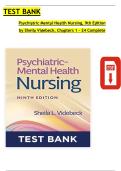
Test Bank for ss ss
Psychiatric–MentalHealthNursing9thEditionbySheila L. s ss s s s s ss Videbeck
AllChapters(1-24)
ss s s
Table Of Contents ss ss
UNIT 1 Current Theories and Practice
ss ss ss ss ss
Chapter 1. Foundations of Psychiatric–Mental Health Nursing
ss ss ss ss ss ss
Chapter 2. Neurobiologic Theories and Psychopharmacology
ss ss ss ss ss ss
Chapter 3. Psychosocial Theories and Therapy
ss ss ss ss ss ss
Chapter 4. Treatment Settings and Therapeutic Programs
ss ss s s s s ss s s
UNIT 2 Building the Nurse–Client Relationship Chapter
ss ss ss ss ss s s
5. Therapeutic Relationships
ss s s
Chapter 6. Therapeutic Communication ss ss ss
Chapter 7. Client’s Response to Illness
ss ss ss ss ss ss
Chapter 8. Assessment
ss ss ss
UNIT 3 Current Social and Emotional Concerns
ss ss ss ss ss ss
Chapter 9. Legal and Ethical Issues
ss ss ss ss ss
Chapter 10. Grief and Loss
ss ss ss ss ss
Chapter 11. Anger, Hostility, and Aggression
ss ss ss ss ss
Chapter 12. Abuse and Violence
ss ss ss ss ss
UNIT 4 Nursing Practice for Psychiatric Disorders
ss ss ss ss ss ss
Chapter 13. Trauma and Stressor-Related Disorders
ss ss ss ss ss ss
Chapter 14. Anxiety and Anxiety Disorders
ss ss ss ss ss ss
Chapter 15. Obsessive–Compulsive and Related Disorders
ss ss ss ss ss
Chapter 16. Schizophrenia
ss ss ss
Chapter 17. Mood Disorders and Suicide
ss ss ss ss ss
Chapter 18. Personality Disorders
ss ss ss ss
Chapter 19. Addiction
ss ss ss
Chapter 20. Eating Disorders ss ss ss
Chapter 21. Somatic Symptom Illnesses Chapter
ss ss ss ss ss
22. Neurodevelopmental Disorders Chapter 23.
ss ss s s ss ss
Disruptive Behavior Disorders Chapter 24.
ss ss ss ss ss
Cognitive Disorders
ss ss
Chapter 1 ss
1. The nurse is assessing the factors contributing to the well-being of a newly admitted
ss ss ss ss ss ss ss ss ss ss ss ss ss
client. Which of the following would the nurse identify as having a positive impact on the
ss ss ss ss ss ss ss ss ss ss ss ss ss ss ss ss
individual's mental health?
ss ss ss
A) Not needing othersfor companionship ss ss ss ss
B) The abilityto effectively manage stress ss s ss ss ss
C) A familyhistory of mental illness ss s ss ss ss
D) Striving for totalself-reliance ss ss s
Ans: B ss ss
Feedback:
Individual factors influencing mental health include biologic makeup, autonomy, ss ss ss ss ss ss ss ss
independence, self-esteem, capacity for growth, vitality, ability to find meaning in life,
ss ss ss ss ss ss ss ss ss ss ss ss
emotional resilience or hardiness, sense of belonging, reality orientation, and coping or
ss ss ss ss ss ss ss ss ss ss ss ss
stress management abilities. Interpersonal factors such as intimacy and a balance of
ss ss ss ss ss ss ss ss ss ss ss ss
separateness and connectedness are both needed for good mental health, and therefore a
ss ss ss ss ss ss ss ss ss ss ss ss ss
, lOMoARcPSD| 11700591
healthy person would need others for companionship. A family history of mental illness
ss ss ss ss ss ss ss ss ss ss ss ss
could relate to thebiologic makeup of an individual, which may have a negative impact on
ss ss ss ss s ss ss ss ss ss ss ss ss ss ss ss
an individual's mental health, as well as a negative impact on an individual's interpersonal
ss ss ss ss ss ss ss ss ss ss ss ss ss ss
and socialñcultural factors of health. Total self-reliance is not possible, and a positive
ss ss ss ss ss ss ss ss ss ss ss ss ss
social/cultural factor is access to adequate resources.
ss ss ss ss ss ss ss
2. Which of the following statements about mental illness are true? Select all that apply.
ss ss ss ss ss ss ss ss ss ss ss ss ss
A) Mental illness can cause significant distress, impaired functioning, or both. ss ss ss ss ss ss ss ss ss
B) Mental illness is only due to social/cultural factors. ss ss ss ss ss ss ss
C) Social/cultural factors that relate to mental illness include excessive dependency ss ss ss ss ss ss ss ss ss
on or withdrawalfromrelationships.
ss ss ss ss s
D) Individuals suffering from mental illness are usually able to cope effectively with ss ss ss ss ss ss ss ss ss ss ss
daily life. ss ss
E) Individuals suffering from mental illness may experience dissatisfaction with ss ss ss ss ss ss ss ss
relationshipsand self. ss s ss
Ans: A, D, E ss ss ss
Feedback:
Mental illness can cause significant distress, impaired functioning, or both. Mental illness
ss ss ss ss ss ss ss ss ss ss s s
may be related to individual, interpersonal, or social/cultural factors. Excessive
ss ss ss ss ss ss ss ss ss ss
dependency on or withdrawal from relationships are interpersonal factors that relate to
ss ss ss ss ss ss ss ss ss ss ss ss
mental illness. Individuals suffering from mental illness can feel overwhelmed with daily
ss ss ss ss ss ss ss ss ss ss ss ss
life. Individuals suffering from mental illness may experience dissatisfaction with
ss ss ss ss ss ss ss ss ss ss
relationshipsandself.
ss s s
3. Which of the following aretrue regarding mental health and mental illness?
ss ss ss ss s ss ss ss ss ss ss
A) Behavior that may be viewed as acceptable in oneculture is always ss ss ss ss ss ss ss ss s ss ss
unacceptable in othercultures.ss s s ss ss
B) It is easy to determine if a person is mentally healthy or mentally ill.
ss ss ss ss ss ss ss ss ss ss ss ss ss
C) In most cases, mental health is a state of emotional, psychological, and social
ss ss ss ss ss ss ss ss ss ss ss ss
wellness evidenced by satisfying interpersonal relationships, effective behavior
ss ss ss ss ss ss ss ss
and coping, positive self-concept, and emotional stability.
ss ss ss ss ss ss ss
D) Persons who engage in fantasies are mentally ill. ss ss ss ss ss ss ss
Ans: C
ss ss
Feedback:
What one society may view as acceptable and appropriate behavior, another society
ss ss ss ss ss ss ss ss ss ss ss
may see that as maladaptive, and inappropriate. Mental health and mental illness are
ss s s ss ss ss ss ss ss ss ss ss ss ss
difficult to define precisely. In most cases, mental health is a state of emotional,
ss s s ss ss ss ss ss ss ss ss ss ss ss ss
psychological, and social wellness evidenced by satisfying interpersonal relationships,
ss s s ss ss ss ss ss ss ss
effective behavior and coping, positive self-concept, and emotional stability. Persons
ss s s ss ss ss ss ss ss ss ss
who engage in fantasies may be mentally healthy, but the inability to distinguish reality
ss ss ss ss ss ss ss ss ss ss ss ss ss ss
from fantasy is an individual factor that may contribute to mental illness.
ss ss s s ss ss ss ss ss ss ss ss ss
4. A client grieving the recent loss of her husband asks if she is becoming mentally ill
ss ss ss ss ss ss ss ss ss ss ss ss ss ss ss
because she is so sad. The nurse's best response would be,
ss ss ss ss ss ss ss ss ss ss ss
A) ìYou may have a temporary mental illness because you are experiencing so much ss ss ss ss ss ss ss ss ss ss ss ss
pain.î ss
B) ìYou are not mentally ill. This is an expected reaction to the loss you have ss ss ss ss ss ss ss ss ss ss ss ss ss ss
experienced.î ss
C) ìWere you generallydissatisfied with your relationship before your husband's ss ss ss ss ss ss ss ss ss
death?î ss
D) ìTry not to worryabout that right now. You never know what the future brings.î
ss ss ss s ss ss ss ss ss ss ss ss ss ss
Ans: B
ss ss
Feedback:
Mental illness includes general dissatisfaction withself, ineffective relationships, ineffective
ss ss ss ss ss s ss ss ss
coping, and lack of personal growth. Additionally the behavior must not be
ss ss ss ss ss ss ss ss ss ss ss ss
, lOMoARcPSD| 11700591
culturally expected. Acute grief reactions are expected and therefore not considered
ss ss ss ss ss ss ss ss ss ss
mental illness. False reassurance or overanalysis does not accurately address the client's
ss ss ss ss ss ss ss ss ss ss ss ss
concerns.
ss
5. The nurse consults the DSM for which of the following purposes?
ss ss ss ss ss ss ss ss ss ss
A) To devise a plan of care for a newly admitted client
ss ss ss ss ss ss ss ss ss ss
B) To predict the client's prognosis of treatment outcomes
ss ss ss ss ss ss ss
C) To document the appropriate diagnostic code in the client's medical record
ss ss ss ss ss ss ss ss ss ss
D) To serve as a guide for client assessment ss ss ss ss ss ss ss
Ans: D
ss ss
Feedback:
The DSM provides standard nomenclature, presents defining characteristics, and identifies
ss ss ss ss ss ss ss ss ss
underlying causes of mental disorders. It does not provide care plans or prognostic
ss ss ss ss ss ss ss ss ss ss ss ss ss
outcomes of treatment. Diagnosis of mental illness is not within the generalist RN's scope
ss ss ss ss ss ss ss ss ss ss ss s s ss ss
of practice, so documenting the code in the medical record would be inappropriate.
ss ss ss ss ss ss ss ss ss ss ss s s ss
6. Which would be a reason for a student nurse to use the DSM?
ss ss ss ss ss ss ss ss ss ss ss ss
A) Identifying the medicaldiagnosis ss ss s
B) Treat clients ss
C) Evaluatetreatments
D) Understand the reason for the admission and the nature of psychiatric illnesses. ss ss ss ss ss ss ss ss ss ss ss
Ans: D
ss ss
Feedback:
Although student nurses do not use the DSM to diagnose clients, they will find it a helpful
ss ss ss ss ss ss ss ss ss ss ss ss ss ss ss s s
resource to understand the reason for the admission and to begin building knowledge
ss ss ss ss ss ss ss ss ss ss ss ss s s
about the nature of psychiatric illnesses. Identifying the medical diagnosis, treating, and
ss ss ss ss ss ss ss ss ss ss s s ss
evaluating treatments are not a part of the nursing process.
ss ss ss ss ss ss ss ss ss ss
7. The legislation enacted in 1963 was largely responsible for which of the following shifts in
ss ss ss ss ss ss ss ss ss ss ss ss ss ss
care for the mentallyill?
ss ss ss ss s
A) The widespread use of community-based services ss ss ss ss ss
B) The advancement in pharmacotherapies ss ss ss
C) Increased access to hospitalization ss ss ss
D) Improved rights for clients in long-term institutional care ss ss ss ss ss ss ss
Ans: A
ss ss
Feedback:
The Community Mental Health Centers Construction Act of 1963 accomplished the release
ss ss ss ss ss ss ss ss ss ss ss
of individuals from long-term stays in state institutions, the decrease in admissions to
ss ss ss ss ss ss ss ss ss ss ss ss ss
hospitals, and the development of community-based services as an alternative to hospital
ss ss ss ss ss ss ss ss ss ss ss ss
care.
ss
8. Which one of the following is a result of federal legislation?
ss ss ss ss ss ss ss ss ss ss
A) Making it easier to commit people for mental health treatment against their will. ss ss ss ss ss ss ss ss ss ss ss ss
B) Making it moredifficult to commit peoplefor mental health treatment against ss ss s ss ss ss s ss ss ss ss
their will. ss ss
C) State mental institutions being the primary source of care for mentally ill persons.
ss ss ss ss ss ss ss ss ss ss ss ss
D) Improved care for mentallyill persons. ss ss ss s ss
Ans: B
ss ss
Feedback:
, lOMoARcPSD| 11700591
Commitment laws changed in the early 1970s, making it more difficult to commit ss ss ss ss ss ss ss ss ss ss ss ss
peoplefor mental healthtreatment against their will. Deinstitutionalization accomplished
s ss ss s ss ss ss ss s s
the release of individuals from long-term stays in state institutions. Deinstitutionalization
ss ss ss ss ss ss ss ss ss ss s s
also had negative effects in that some mentally ill persons are subjected to the revolving
ss ss ss ss ss ss ss ss ss ss ss s s ss ss ss
door effect, which may limit care for mentally ill persons.
ss ss ss ss ss ss ss ss ss ss
9. The goal of the 1963 Community Mental Health Centers Act was to
ss ss ss ss ss ss ss ss ss ss ss
A) ensure patients' rights for the mentally ill. ss ss ss ss ss ss
B) deinstitutionalize state hospitals. ss ss
C) provide funds to build hospitals with psychiatric units. ss ss ss ss s s ss ss
D) treat people with mental illness in a humane fashion. ss ss ss ss ss ss ss ss
Ans: B
ss ss
Feedback:
The 1963 Community Mental Health Centers Act intimated the movement toward treating
ss ss ss ss ss ss ss ss ss ss ss
those with mental illness in a less restrictive environment. This legislation resulted in the
ss ss ss ss ss ss ss ss ss ss ss s s ss ss
shift of clients with mental illness from large state institutions to care based in the
ss ss ss ss ss ss ss ss ss ss ss ss ss ss ss
community. Answer choices A, C, and D were not purposes of the 1963 Community
ss ss ss ss ss ss ss ss ss ss ss ss ss s s
Mental Health Centers Act.
ss ss ss ss
10. The creation of asylums during the 1800s was meant to
ss ss ss ss ss ss ss ss ss
A) improvetreatment of mentaldisorders. s ss ss s
B) provide food and shelter for the mentally ill. ss ss ss ss ss ss ss
C) punish people with mental illness who were believed to be possessed. ss ss ss ss ss ss ss ss ss ss
D) remove dangerous people with mental illness from the community. ss ss ss ss ss ss ss ss
Ans: B
ss ss
Feedback:
The asylum was meant to be a safe haven with food, shelter, and humane treatment for the
ss ss ss ss ss ss ss ss ss ss ss ss ss ss ss ss
mentally ill. Asylums were not used to improve treatment of mental disorders or to punish
ss ss ss ss ss ss ss ss ss ss ss ss ss ss ss
mentally ill people who were believed to be possessed. The asylum was not created to
ss ss ss ss ss ss ss ss ss ss ss ss ss ss ss
remove the dangerously mentally ill from the community.
ss ss ss ss ss ss ss ss
11. The major problems with large state institutions are: Select all that apply.
ss ss ss ss ss ss ss ss ss ss ss
A) attendants were accused of abusing the residents. ss ss ss ss ss ss
B) stigma associated with residence in an insane asylum. ss ss ss ss ss ss ss
C) clients were geographicallyisolated from family and community. ss ss ss ss ss ss ss
D) increasing financial costs to individual residents. ss ss ss ss ss
Ans: A, C
ss ss ss
Feedback:
Clients were often far removed from the local community, family, and friends because state
ss ss ss ss ss ss ss ss ss ss ss ss ss
institutions were usually in rural or remote settings. Choices B and D were not major
ss ss ss ss ss ss ss ss ss ss ss ss ss ss ss
problems associated with large state instructions.
ss ss ss ss ss ss
12. A significant change in the treatment of people with mental illness occurred in the 1950s
ss ss ss ss ss ss ss ss ss ss ss ss ss ss
when
ss
A) communitysupport services were established. s ss ss ss
B) legislation dramatically changed civil commitment procedures. ss ss ss ss ss
C) the Patient's Bill of Rights was enacted. ss ss ss ss ss ss
D) psychotropicdrugs became available for use. s ss ss ss ss
Ans: D
ss ss
Feedback:
The development of psychotropic drugs, or drugs used to treat mental illness, began in
ss ss ss ss ss ss ss ss ss ss ss ss ss
the 1950s. Answer choices A, B, and C did not occur in the 1950s.
ss ss ss ss ss ss ss ss ss ss ss ss ss ss
13. Before the period of the enlightenment, treatment of the mentally ill included
ss ss ss ss ss ss ss ss ss ss ss
Test Bank for ss ss
Psychiatric–MentalHealthNursing9thEditionbySheila L. s ss s s s s ss Videbeck
AllChapters(1-24)
ss s s
Table Of Contents ss ss
UNIT 1 Current Theories and Practice
ss ss ss ss ss
Chapter 1. Foundations of Psychiatric–Mental Health Nursing
ss ss ss ss ss ss
Chapter 2. Neurobiologic Theories and Psychopharmacology
ss ss ss ss ss ss
Chapter 3. Psychosocial Theories and Therapy
ss ss ss ss ss ss
Chapter 4. Treatment Settings and Therapeutic Programs
ss ss s s s s ss s s
UNIT 2 Building the Nurse–Client Relationship Chapter
ss ss ss ss ss s s
5. Therapeutic Relationships
ss s s
Chapter 6. Therapeutic Communication ss ss ss
Chapter 7. Client’s Response to Illness
ss ss ss ss ss ss
Chapter 8. Assessment
ss ss ss
UNIT 3 Current Social and Emotional Concerns
ss ss ss ss ss ss
Chapter 9. Legal and Ethical Issues
ss ss ss ss ss
Chapter 10. Grief and Loss
ss ss ss ss ss
Chapter 11. Anger, Hostility, and Aggression
ss ss ss ss ss
Chapter 12. Abuse and Violence
ss ss ss ss ss
UNIT 4 Nursing Practice for Psychiatric Disorders
ss ss ss ss ss ss
Chapter 13. Trauma and Stressor-Related Disorders
ss ss ss ss ss ss
Chapter 14. Anxiety and Anxiety Disorders
ss ss ss ss ss ss
Chapter 15. Obsessive–Compulsive and Related Disorders
ss ss ss ss ss
Chapter 16. Schizophrenia
ss ss ss
Chapter 17. Mood Disorders and Suicide
ss ss ss ss ss
Chapter 18. Personality Disorders
ss ss ss ss
Chapter 19. Addiction
ss ss ss
Chapter 20. Eating Disorders ss ss ss
Chapter 21. Somatic Symptom Illnesses Chapter
ss ss ss ss ss
22. Neurodevelopmental Disorders Chapter 23.
ss ss s s ss ss
Disruptive Behavior Disorders Chapter 24.
ss ss ss ss ss
Cognitive Disorders
ss ss
Chapter 1 ss
1. The nurse is assessing the factors contributing to the well-being of a newly admitted
ss ss ss ss ss ss ss ss ss ss ss ss ss
client. Which of the following would the nurse identify as having a positive impact on the
ss ss ss ss ss ss ss ss ss ss ss ss ss ss ss ss
individual's mental health?
ss ss ss
A) Not needing othersfor companionship ss ss ss ss
B) The abilityto effectively manage stress ss s ss ss ss
C) A familyhistory of mental illness ss s ss ss ss
D) Striving for totalself-reliance ss ss s
Ans: B ss ss
Feedback:
Individual factors influencing mental health include biologic makeup, autonomy, ss ss ss ss ss ss ss ss
independence, self-esteem, capacity for growth, vitality, ability to find meaning in life,
ss ss ss ss ss ss ss ss ss ss ss ss
emotional resilience or hardiness, sense of belonging, reality orientation, and coping or
ss ss ss ss ss ss ss ss ss ss ss ss
stress management abilities. Interpersonal factors such as intimacy and a balance of
ss ss ss ss ss ss ss ss ss ss ss ss
separateness and connectedness are both needed for good mental health, and therefore a
ss ss ss ss ss ss ss ss ss ss ss ss ss
, lOMoARcPSD| 11700591
healthy person would need others for companionship. A family history of mental illness
ss ss ss ss ss ss ss ss ss ss ss ss
could relate to thebiologic makeup of an individual, which may have a negative impact on
ss ss ss ss s ss ss ss ss ss ss ss ss ss ss ss
an individual's mental health, as well as a negative impact on an individual's interpersonal
ss ss ss ss ss ss ss ss ss ss ss ss ss ss
and socialñcultural factors of health. Total self-reliance is not possible, and a positive
ss ss ss ss ss ss ss ss ss ss ss ss ss
social/cultural factor is access to adequate resources.
ss ss ss ss ss ss ss
2. Which of the following statements about mental illness are true? Select all that apply.
ss ss ss ss ss ss ss ss ss ss ss ss ss
A) Mental illness can cause significant distress, impaired functioning, or both. ss ss ss ss ss ss ss ss ss
B) Mental illness is only due to social/cultural factors. ss ss ss ss ss ss ss
C) Social/cultural factors that relate to mental illness include excessive dependency ss ss ss ss ss ss ss ss ss
on or withdrawalfromrelationships.
ss ss ss ss s
D) Individuals suffering from mental illness are usually able to cope effectively with ss ss ss ss ss ss ss ss ss ss ss
daily life. ss ss
E) Individuals suffering from mental illness may experience dissatisfaction with ss ss ss ss ss ss ss ss
relationshipsand self. ss s ss
Ans: A, D, E ss ss ss
Feedback:
Mental illness can cause significant distress, impaired functioning, or both. Mental illness
ss ss ss ss ss ss ss ss ss ss s s
may be related to individual, interpersonal, or social/cultural factors. Excessive
ss ss ss ss ss ss ss ss ss ss
dependency on or withdrawal from relationships are interpersonal factors that relate to
ss ss ss ss ss ss ss ss ss ss ss ss
mental illness. Individuals suffering from mental illness can feel overwhelmed with daily
ss ss ss ss ss ss ss ss ss ss ss ss
life. Individuals suffering from mental illness may experience dissatisfaction with
ss ss ss ss ss ss ss ss ss ss
relationshipsandself.
ss s s
3. Which of the following aretrue regarding mental health and mental illness?
ss ss ss ss s ss ss ss ss ss ss
A) Behavior that may be viewed as acceptable in oneculture is always ss ss ss ss ss ss ss ss s ss ss
unacceptable in othercultures.ss s s ss ss
B) It is easy to determine if a person is mentally healthy or mentally ill.
ss ss ss ss ss ss ss ss ss ss ss ss ss
C) In most cases, mental health is a state of emotional, psychological, and social
ss ss ss ss ss ss ss ss ss ss ss ss
wellness evidenced by satisfying interpersonal relationships, effective behavior
ss ss ss ss ss ss ss ss
and coping, positive self-concept, and emotional stability.
ss ss ss ss ss ss ss
D) Persons who engage in fantasies are mentally ill. ss ss ss ss ss ss ss
Ans: C
ss ss
Feedback:
What one society may view as acceptable and appropriate behavior, another society
ss ss ss ss ss ss ss ss ss ss ss
may see that as maladaptive, and inappropriate. Mental health and mental illness are
ss s s ss ss ss ss ss ss ss ss ss ss ss
difficult to define precisely. In most cases, mental health is a state of emotional,
ss s s ss ss ss ss ss ss ss ss ss ss ss ss
psychological, and social wellness evidenced by satisfying interpersonal relationships,
ss s s ss ss ss ss ss ss ss
effective behavior and coping, positive self-concept, and emotional stability. Persons
ss s s ss ss ss ss ss ss ss ss
who engage in fantasies may be mentally healthy, but the inability to distinguish reality
ss ss ss ss ss ss ss ss ss ss ss ss ss ss
from fantasy is an individual factor that may contribute to mental illness.
ss ss s s ss ss ss ss ss ss ss ss ss
4. A client grieving the recent loss of her husband asks if she is becoming mentally ill
ss ss ss ss ss ss ss ss ss ss ss ss ss ss ss
because she is so sad. The nurse's best response would be,
ss ss ss ss ss ss ss ss ss ss ss
A) ìYou may have a temporary mental illness because you are experiencing so much ss ss ss ss ss ss ss ss ss ss ss ss
pain.î ss
B) ìYou are not mentally ill. This is an expected reaction to the loss you have ss ss ss ss ss ss ss ss ss ss ss ss ss ss
experienced.î ss
C) ìWere you generallydissatisfied with your relationship before your husband's ss ss ss ss ss ss ss ss ss
death?î ss
D) ìTry not to worryabout that right now. You never know what the future brings.î
ss ss ss s ss ss ss ss ss ss ss ss ss ss
Ans: B
ss ss
Feedback:
Mental illness includes general dissatisfaction withself, ineffective relationships, ineffective
ss ss ss ss ss s ss ss ss
coping, and lack of personal growth. Additionally the behavior must not be
ss ss ss ss ss ss ss ss ss ss ss ss
, lOMoARcPSD| 11700591
culturally expected. Acute grief reactions are expected and therefore not considered
ss ss ss ss ss ss ss ss ss ss
mental illness. False reassurance or overanalysis does not accurately address the client's
ss ss ss ss ss ss ss ss ss ss ss ss
concerns.
ss
5. The nurse consults the DSM for which of the following purposes?
ss ss ss ss ss ss ss ss ss ss
A) To devise a plan of care for a newly admitted client
ss ss ss ss ss ss ss ss ss ss
B) To predict the client's prognosis of treatment outcomes
ss ss ss ss ss ss ss
C) To document the appropriate diagnostic code in the client's medical record
ss ss ss ss ss ss ss ss ss ss
D) To serve as a guide for client assessment ss ss ss ss ss ss ss
Ans: D
ss ss
Feedback:
The DSM provides standard nomenclature, presents defining characteristics, and identifies
ss ss ss ss ss ss ss ss ss
underlying causes of mental disorders. It does not provide care plans or prognostic
ss ss ss ss ss ss ss ss ss ss ss ss ss
outcomes of treatment. Diagnosis of mental illness is not within the generalist RN's scope
ss ss ss ss ss ss ss ss ss ss ss s s ss ss
of practice, so documenting the code in the medical record would be inappropriate.
ss ss ss ss ss ss ss ss ss ss ss s s ss
6. Which would be a reason for a student nurse to use the DSM?
ss ss ss ss ss ss ss ss ss ss ss ss
A) Identifying the medicaldiagnosis ss ss s
B) Treat clients ss
C) Evaluatetreatments
D) Understand the reason for the admission and the nature of psychiatric illnesses. ss ss ss ss ss ss ss ss ss ss ss
Ans: D
ss ss
Feedback:
Although student nurses do not use the DSM to diagnose clients, they will find it a helpful
ss ss ss ss ss ss ss ss ss ss ss ss ss ss ss s s
resource to understand the reason for the admission and to begin building knowledge
ss ss ss ss ss ss ss ss ss ss ss ss s s
about the nature of psychiatric illnesses. Identifying the medical diagnosis, treating, and
ss ss ss ss ss ss ss ss ss ss s s ss
evaluating treatments are not a part of the nursing process.
ss ss ss ss ss ss ss ss ss ss
7. The legislation enacted in 1963 was largely responsible for which of the following shifts in
ss ss ss ss ss ss ss ss ss ss ss ss ss ss
care for the mentallyill?
ss ss ss ss s
A) The widespread use of community-based services ss ss ss ss ss
B) The advancement in pharmacotherapies ss ss ss
C) Increased access to hospitalization ss ss ss
D) Improved rights for clients in long-term institutional care ss ss ss ss ss ss ss
Ans: A
ss ss
Feedback:
The Community Mental Health Centers Construction Act of 1963 accomplished the release
ss ss ss ss ss ss ss ss ss ss ss
of individuals from long-term stays in state institutions, the decrease in admissions to
ss ss ss ss ss ss ss ss ss ss ss ss ss
hospitals, and the development of community-based services as an alternative to hospital
ss ss ss ss ss ss ss ss ss ss ss ss
care.
ss
8. Which one of the following is a result of federal legislation?
ss ss ss ss ss ss ss ss ss ss
A) Making it easier to commit people for mental health treatment against their will. ss ss ss ss ss ss ss ss ss ss ss ss
B) Making it moredifficult to commit peoplefor mental health treatment against ss ss s ss ss ss s ss ss ss ss
their will. ss ss
C) State mental institutions being the primary source of care for mentally ill persons.
ss ss ss ss ss ss ss ss ss ss ss ss
D) Improved care for mentallyill persons. ss ss ss s ss
Ans: B
ss ss
Feedback:
, lOMoARcPSD| 11700591
Commitment laws changed in the early 1970s, making it more difficult to commit ss ss ss ss ss ss ss ss ss ss ss ss
peoplefor mental healthtreatment against their will. Deinstitutionalization accomplished
s ss ss s ss ss ss ss s s
the release of individuals from long-term stays in state institutions. Deinstitutionalization
ss ss ss ss ss ss ss ss ss ss s s
also had negative effects in that some mentally ill persons are subjected to the revolving
ss ss ss ss ss ss ss ss ss ss ss s s ss ss ss
door effect, which may limit care for mentally ill persons.
ss ss ss ss ss ss ss ss ss ss
9. The goal of the 1963 Community Mental Health Centers Act was to
ss ss ss ss ss ss ss ss ss ss ss
A) ensure patients' rights for the mentally ill. ss ss ss ss ss ss
B) deinstitutionalize state hospitals. ss ss
C) provide funds to build hospitals with psychiatric units. ss ss ss ss s s ss ss
D) treat people with mental illness in a humane fashion. ss ss ss ss ss ss ss ss
Ans: B
ss ss
Feedback:
The 1963 Community Mental Health Centers Act intimated the movement toward treating
ss ss ss ss ss ss ss ss ss ss ss
those with mental illness in a less restrictive environment. This legislation resulted in the
ss ss ss ss ss ss ss ss ss ss ss s s ss ss
shift of clients with mental illness from large state institutions to care based in the
ss ss ss ss ss ss ss ss ss ss ss ss ss ss ss
community. Answer choices A, C, and D were not purposes of the 1963 Community
ss ss ss ss ss ss ss ss ss ss ss ss ss s s
Mental Health Centers Act.
ss ss ss ss
10. The creation of asylums during the 1800s was meant to
ss ss ss ss ss ss ss ss ss
A) improvetreatment of mentaldisorders. s ss ss s
B) provide food and shelter for the mentally ill. ss ss ss ss ss ss ss
C) punish people with mental illness who were believed to be possessed. ss ss ss ss ss ss ss ss ss ss
D) remove dangerous people with mental illness from the community. ss ss ss ss ss ss ss ss
Ans: B
ss ss
Feedback:
The asylum was meant to be a safe haven with food, shelter, and humane treatment for the
ss ss ss ss ss ss ss ss ss ss ss ss ss ss ss ss
mentally ill. Asylums were not used to improve treatment of mental disorders or to punish
ss ss ss ss ss ss ss ss ss ss ss ss ss ss ss
mentally ill people who were believed to be possessed. The asylum was not created to
ss ss ss ss ss ss ss ss ss ss ss ss ss ss ss
remove the dangerously mentally ill from the community.
ss ss ss ss ss ss ss ss
11. The major problems with large state institutions are: Select all that apply.
ss ss ss ss ss ss ss ss ss ss ss
A) attendants were accused of abusing the residents. ss ss ss ss ss ss
B) stigma associated with residence in an insane asylum. ss ss ss ss ss ss ss
C) clients were geographicallyisolated from family and community. ss ss ss ss ss ss ss
D) increasing financial costs to individual residents. ss ss ss ss ss
Ans: A, C
ss ss ss
Feedback:
Clients were often far removed from the local community, family, and friends because state
ss ss ss ss ss ss ss ss ss ss ss ss ss
institutions were usually in rural or remote settings. Choices B and D were not major
ss ss ss ss ss ss ss ss ss ss ss ss ss ss ss
problems associated with large state instructions.
ss ss ss ss ss ss
12. A significant change in the treatment of people with mental illness occurred in the 1950s
ss ss ss ss ss ss ss ss ss ss ss ss ss ss
when
ss
A) communitysupport services were established. s ss ss ss
B) legislation dramatically changed civil commitment procedures. ss ss ss ss ss
C) the Patient's Bill of Rights was enacted. ss ss ss ss ss ss
D) psychotropicdrugs became available for use. s ss ss ss ss
Ans: D
ss ss
Feedback:
The development of psychotropic drugs, or drugs used to treat mental illness, began in
ss ss ss ss ss ss ss ss ss ss ss ss ss
the 1950s. Answer choices A, B, and C did not occur in the 1950s.
ss ss ss ss ss ss ss ss ss ss ss ss ss ss
13. Before the period of the enlightenment, treatment of the mentally ill included
ss ss ss ss ss ss ss ss ss ss ss