Lecture 1 - Animal biotechnology - Docility
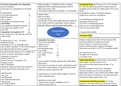
- Social/herd structure
Domestication, husbandry and modern industry
- Flexible and ePicient diet
Human-animal relationship - Calm
• “Mutual symbiosis” of sorts – human directed Domesticating animals
• Both human and animal gain from a “common
arrangement”
• Win-win scenario
• Animals provide
- Food
- Fiber
- Labor
- Companionship
• Humans provide
- Food
Pathways of domestication
- Care
- Protection
Domesticating animals
• What is domestication?
- Evolutionary process, involving long-term and
continuous change of animal populations
- Directed by deliberate human intervention
- Process of genetically adapting an animal to suit
the needs of humans
• Characteristics of a domestic animal (according to
Jared Diamond)
- Captive breeding
- Quick growth
,When and where?
• Wolves (ancestor of the dog) the first species to be
domesticated
• European and Asian hunter-gatherers
• 17–15 000 years before …. or perhaps earlier, 30–20 year
before
When and where
• Most aquatic species only domesticated recently
- Carp was cultured by ancient Romans and Chinese
• Wide-held belief that marine resources are endless
• Recent collapse of many fisheries – rise of Aquaculture
When are where?
• Most livestock domesticated between 10 - 8 000 YBP /
• After the last ice age, warmer climate
• The Neolithic: Techno-economic shift leading to social and
cultural transformations
,Domestication history is complex EGects of domestication on animals
• Multiple independent domestication events
• Multiple ancestral species or genetic lineages
• Crossbreeding, hybrids, introgression
• Human migrants with livestock
Domestication history is complex – cattle (Bos sp.)
Genetic eGects
• Founder ePects: population bottleneck, inbreeding and
genetic drift in small populations
• Relaxed natural selection for traits for survival in the wild
• Natural selection for adaptation to captivity
Domestication history is complex – pig (Sus sp.)
• Artificial selection (selective breeding)
Phenotypic eGects
• Domestication syndrome
- Development of similar phenotypes across many
species subject to domestication
- Hypothesis: Pleiotropic action of few “domestication
genes”
- Morphology, physiology and behavior are
interconnected
, Farm fox experiments Morphology
• Coat color
• Body conformation
• Dwarfism and
gigantism
• Floppy ears
• Curly tail
Physiology
• Neuro-endocrine system
- Brain size
- Levels of stress hormones
• Reproductive system
- Natural stimuli: seasons, photoperiod etc.
- More litters in a year
• General Metabolism
- E.g. fat and protein utilization
- Social/herd structure
Domestication, husbandry and modern industry
- Flexible and ePicient diet
Human-animal relationship - Calm
• “Mutual symbiosis” of sorts – human directed Domesticating animals
• Both human and animal gain from a “common
arrangement”
• Win-win scenario
• Animals provide
- Food
- Fiber
- Labor
- Companionship
• Humans provide
- Food
Pathways of domestication
- Care
- Protection
Domesticating animals
• What is domestication?
- Evolutionary process, involving long-term and
continuous change of animal populations
- Directed by deliberate human intervention
- Process of genetically adapting an animal to suit
the needs of humans
• Characteristics of a domestic animal (according to
Jared Diamond)
- Captive breeding
- Quick growth
,When and where?
• Wolves (ancestor of the dog) the first species to be
domesticated
• European and Asian hunter-gatherers
• 17–15 000 years before …. or perhaps earlier, 30–20 year
before
When and where
• Most aquatic species only domesticated recently
- Carp was cultured by ancient Romans and Chinese
• Wide-held belief that marine resources are endless
• Recent collapse of many fisheries – rise of Aquaculture
When are where?
• Most livestock domesticated between 10 - 8 000 YBP /
• After the last ice age, warmer climate
• The Neolithic: Techno-economic shift leading to social and
cultural transformations
,Domestication history is complex EGects of domestication on animals
• Multiple independent domestication events
• Multiple ancestral species or genetic lineages
• Crossbreeding, hybrids, introgression
• Human migrants with livestock
Domestication history is complex – cattle (Bos sp.)
Genetic eGects
• Founder ePects: population bottleneck, inbreeding and
genetic drift in small populations
• Relaxed natural selection for traits for survival in the wild
• Natural selection for adaptation to captivity
Domestication history is complex – pig (Sus sp.)
• Artificial selection (selective breeding)
Phenotypic eGects
• Domestication syndrome
- Development of similar phenotypes across many
species subject to domestication
- Hypothesis: Pleiotropic action of few “domestication
genes”
- Morphology, physiology and behavior are
interconnected
, Farm fox experiments Morphology
• Coat color
• Body conformation
• Dwarfism and
gigantism
• Floppy ears
• Curly tail
Physiology
• Neuro-endocrine system
- Brain size
- Levels of stress hormones
• Reproductive system
- Natural stimuli: seasons, photoperiod etc.
- More litters in a year
• General Metabolism
- E.g. fat and protein utilization