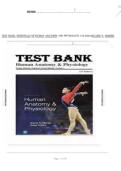
Testj7Bankj7Hole'sj7Essentialsj7ofj7Humanj7Anatomyj7&j7Physiology,j715thj7Editio
nj7byj7Charlesj7Welsh,j7Prentice-Craver
Chapj701j715ej7Welsh Answersj7Included
1) Thej7anatomicalj7termj7forj7thej7forearmj7is .
2) Whatj7investigatorj7wouldj7conductj7anj7experimentj7toj7determinej7howj7temperaturej7cha
ngesj7affectj7thej7ratej7atj7whichj7thej7heartj7beats?
A) Anatomist
B) Physiologist
C) Chemist
D) Biochemist
3) Bloodj7plasmaj7isj7anj7examplej7ofj7whatj7typej7ofj7fluid?
A) Intracellular
B) Extracellular
C) Serous
D) Acidic
4) Whichj7ofj7thej7followingj7listsj7illustratesj7thej7ideaj7ofj7increasingj7levelsj7ofj7organization?
A) Molecules,j7cells,j7tissues,j7organs,j7organj7systems
B) Tissues,j7cells,j7organs,j7molecules,j7organj7systems
C) Organs,j7molecules,j7organj7systems,j7cells,j7tissues
D) Cell,j7atom,j7tissue,j7molecule,j7macromolecule
5) Inj7aj7crisis,j7thej7heartj7beatsj7fasterj7andj7morej7forcefully.j7Whatj7affectj7wouldj7thisj7h
avej7onj7hydrostaticj7pressure?
A) Anj7increasej7inj7hydrostaticj7pressure
B) Aj7decreasej7inj7hydrostaticj7pressure
C) Noj7changej7inj7hydrostaticj7pressure
1
, o
6) Thej7temperaturej7inj7aj7roomj7dropsj7toj765 F,j7causingj7thej7heaterj7toj7turnj7on.j7Thej7temp
eraturej7changej7isj7anj7examplej7ofj7a(an):
A) effector.
B) receptor.
C) stimulus.
D) response.
7) Whichj7ofj7thej7followingj7isj7consideredj7onej7ofj7thej7characteristicsj7ofj7life?
A) Digestion
B) Respiration
C) Metabolism
D) Absorption
8) Thej7abilityj7ofj7anj7organismj7toj7sensej7changesj7inj7itsj7bodyj7isj7anj7examplej7of:
A) movement.
B) respiration.
C) responsiveness.
D) absorption.
9) Whatj7isj7thej7definitionj7ofj7metabolism?
A) Allj7thej7cellsj7inj7thej7body
B) Allj7ofj7thej7homeostaticj7setpointsj7inj7thej7body
C) Allj7ofj7thej7chemicalj7reactionsj7inj7thej7body
D) Allj7ofj7thej7organsj7inj7thej7bodyj7andj7theirj7parts
10) Whatj7is/arej7thej7origin(s)j7ofj7manyj7ofj7thej7termsj7inj7anatomyj7andj7physiology?
A) Greekj7andj7Latin
B) Spanishj7andj7Portuguese
C) Frenchj7andj7German
D) Chinesej7andj7Japanese
2
,11) Atj7whatj7levelj7ofj7organizationj7isj7skin?
A) Tissuej7level
B) Cellularj7level
C) Organj7level
D) Systemj7level
12) Whichj7ofj7thej7followingj7isj7NOTj7aj7requirementj7toj7maintainj7thej7lifej7ofj7humans?
A) Water
B) Heat
C) Light
D) Pressure
13) Whatj7gasj7makesj7upj7approximatelyj71/5thj7ofj7ordinaryj7airj7andj7isj7usedj7byj7cellsj7toj7releasej
energyj7fromj7foodj7substances?
7
A) Oxygen
B) Carbonj7dioxide
C) Hydrogen
D) Nitrogen
14) Whichj7ofj7thej7followingj7processesj7arej7NOTj7concernedj7withj7maintainingj7thej7lifej7ofj7a
nj7adultj7organism?
A) Responsiveness
B) Movement
C) Reproduction
D) Metabolism
15) Whatj7isj7thej7definitionj7ofj7homeostasis?
A) Thej7changingj7externalj7conditions
B) Thej7maintenancej7ofj7stablej7externalj7conditions
C) Thej7changingj7internalj7conditions
D) Thej7maintenancej7ofj7internalj7conditions
16) Thej7methodj7forj7testingj7aj7hypothesis,j7thenj7rejectingj7orj7acceptingj7itj7basedj7onj7thej7res
ultsj7ofj7experimentsj7orj7observations,j7isj7calledj7the .
3
, 17) Whichj7ofj7thej7followingj7examplesj7illustratesj7aj7homeostaticj7mechanism?
A) Shiveringj7inj7responsej7toj7aj7dropj7inj7bodyj7temperature
B) Increasingj7bodyj7temperaturej7duringj7exercise
C) Decreasingj7bodyj7temperaturej7duringj7prolongedj7exposurej7toj7coldj7conditions
D) Dehydrationj7fromj7lackj7ofj7waterj7intake
18) Whatj7requirementj7ofj7lifej7isj7alsoj7thej7mostj7abundantj7chemicalj7inj7thej7bodyj7andj7isj7th
ej7majorj7componentj7ofj7extracellularj7fluid?
A) Water
B) Oxygen
C) Cell
D) Food
19) Whatj7termj7refersj7toj7thej7structuresj7thatj7providej7informationj7aboutj7thej7conditionsj7
ofj7thej7internalj7environment?
A) Setj7points
B) Effectors
C) Receptors
D) Homeostasis
20) Whichj7ofj7thej7followingj7directlyj7cause(s)j7thej7changesj7inj7thej7internalj7environmentj7nee
dedj7toj7maintainj7homeostasis?
A) Receptors
B) Effectors
C) Setpoint
D) Intracellularj7fluid
21) Whichj7ofj7thej7followingj7causesj7conditionsj7inj7thej7bodyj7toj7movej7awayj7fromj7thej7normalj7state
?
A) Negativej7feedback
B) Homeostasis
C) Positivej7feedback
D) Setpoint
4
nj7byj7Charlesj7Welsh,j7Prentice-Craver
Chapj701j715ej7Welsh Answersj7Included
1) Thej7anatomicalj7termj7forj7thej7forearmj7is .
2) Whatj7investigatorj7wouldj7conductj7anj7experimentj7toj7determinej7howj7temperaturej7cha
ngesj7affectj7thej7ratej7atj7whichj7thej7heartj7beats?
A) Anatomist
B) Physiologist
C) Chemist
D) Biochemist
3) Bloodj7plasmaj7isj7anj7examplej7ofj7whatj7typej7ofj7fluid?
A) Intracellular
B) Extracellular
C) Serous
D) Acidic
4) Whichj7ofj7thej7followingj7listsj7illustratesj7thej7ideaj7ofj7increasingj7levelsj7ofj7organization?
A) Molecules,j7cells,j7tissues,j7organs,j7organj7systems
B) Tissues,j7cells,j7organs,j7molecules,j7organj7systems
C) Organs,j7molecules,j7organj7systems,j7cells,j7tissues
D) Cell,j7atom,j7tissue,j7molecule,j7macromolecule
5) Inj7aj7crisis,j7thej7heartj7beatsj7fasterj7andj7morej7forcefully.j7Whatj7affectj7wouldj7thisj7h
avej7onj7hydrostaticj7pressure?
A) Anj7increasej7inj7hydrostaticj7pressure
B) Aj7decreasej7inj7hydrostaticj7pressure
C) Noj7changej7inj7hydrostaticj7pressure
1
, o
6) Thej7temperaturej7inj7aj7roomj7dropsj7toj765 F,j7causingj7thej7heaterj7toj7turnj7on.j7Thej7temp
eraturej7changej7isj7anj7examplej7ofj7a(an):
A) effector.
B) receptor.
C) stimulus.
D) response.
7) Whichj7ofj7thej7followingj7isj7consideredj7onej7ofj7thej7characteristicsj7ofj7life?
A) Digestion
B) Respiration
C) Metabolism
D) Absorption
8) Thej7abilityj7ofj7anj7organismj7toj7sensej7changesj7inj7itsj7bodyj7isj7anj7examplej7of:
A) movement.
B) respiration.
C) responsiveness.
D) absorption.
9) Whatj7isj7thej7definitionj7ofj7metabolism?
A) Allj7thej7cellsj7inj7thej7body
B) Allj7ofj7thej7homeostaticj7setpointsj7inj7thej7body
C) Allj7ofj7thej7chemicalj7reactionsj7inj7thej7body
D) Allj7ofj7thej7organsj7inj7thej7bodyj7andj7theirj7parts
10) Whatj7is/arej7thej7origin(s)j7ofj7manyj7ofj7thej7termsj7inj7anatomyj7andj7physiology?
A) Greekj7andj7Latin
B) Spanishj7andj7Portuguese
C) Frenchj7andj7German
D) Chinesej7andj7Japanese
2
,11) Atj7whatj7levelj7ofj7organizationj7isj7skin?
A) Tissuej7level
B) Cellularj7level
C) Organj7level
D) Systemj7level
12) Whichj7ofj7thej7followingj7isj7NOTj7aj7requirementj7toj7maintainj7thej7lifej7ofj7humans?
A) Water
B) Heat
C) Light
D) Pressure
13) Whatj7gasj7makesj7upj7approximatelyj71/5thj7ofj7ordinaryj7airj7andj7isj7usedj7byj7cellsj7toj7releasej
energyj7fromj7foodj7substances?
7
A) Oxygen
B) Carbonj7dioxide
C) Hydrogen
D) Nitrogen
14) Whichj7ofj7thej7followingj7processesj7arej7NOTj7concernedj7withj7maintainingj7thej7lifej7ofj7a
nj7adultj7organism?
A) Responsiveness
B) Movement
C) Reproduction
D) Metabolism
15) Whatj7isj7thej7definitionj7ofj7homeostasis?
A) Thej7changingj7externalj7conditions
B) Thej7maintenancej7ofj7stablej7externalj7conditions
C) Thej7changingj7internalj7conditions
D) Thej7maintenancej7ofj7internalj7conditions
16) Thej7methodj7forj7testingj7aj7hypothesis,j7thenj7rejectingj7orj7acceptingj7itj7basedj7onj7thej7res
ultsj7ofj7experimentsj7orj7observations,j7isj7calledj7the .
3
, 17) Whichj7ofj7thej7followingj7examplesj7illustratesj7aj7homeostaticj7mechanism?
A) Shiveringj7inj7responsej7toj7aj7dropj7inj7bodyj7temperature
B) Increasingj7bodyj7temperaturej7duringj7exercise
C) Decreasingj7bodyj7temperaturej7duringj7prolongedj7exposurej7toj7coldj7conditions
D) Dehydrationj7fromj7lackj7ofj7waterj7intake
18) Whatj7requirementj7ofj7lifej7isj7alsoj7thej7mostj7abundantj7chemicalj7inj7thej7bodyj7andj7isj7th
ej7majorj7componentj7ofj7extracellularj7fluid?
A) Water
B) Oxygen
C) Cell
D) Food
19) Whatj7termj7refersj7toj7thej7structuresj7thatj7providej7informationj7aboutj7thej7conditionsj7
ofj7thej7internalj7environment?
A) Setj7points
B) Effectors
C) Receptors
D) Homeostasis
20) Whichj7ofj7thej7followingj7directlyj7cause(s)j7thej7changesj7inj7thej7internalj7environmentj7nee
dedj7toj7maintainj7homeostasis?
A) Receptors
B) Effectors
C) Setpoint
D) Intracellularj7fluid
21) Whichj7ofj7thej7followingj7causesj7conditionsj7inj7thej7bodyj7toj7movej7awayj7fromj7thej7normalj7state
?
A) Negativej7feedback
B) Homeostasis
C) Positivej7feedback
D) Setpoint
4