NURS 618 | NURS618 Saunders Med Surg Endocrine Revised 2020 ( A Grade)
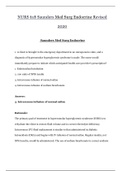
NURS 618 Saunders Med Surg Endocrine Revised 2020 Saunders Med Surg Endocrine 1. A client is brought to the emergency department in an unresponsive state, and a diagnosis of hyperosmolar hyperglycemic syndrome is made. The nurse would immediately prepare to initiate which anticipated health care provider's prescription? 1. Endotracheal intubation 2. 100 units of NPH insulin 3. Intravenous infusion of normal saline 4. Intravenous infusion of sodium bicarbonate Answer: 3. Intravenous infusion of normal saline Rationale: The primary goal of treatment in hyperosmolar hyperglycemic syndrome (HHS) is to rehydrate the client to restore fluid volume and to correct electrolyte deficiency. Intravenous (IV) fluid replacement is similar to that administered in diabetic ketoacidosis (DKA) and begins with IV infusion of normal saline. Regular insulin, not NPH insulin, would be administered. The use of sodium bicarbonate to correct acidosis is avoided because it can precipitate a further drop in serum potassium levels. Intubation and mechanical ventilation are not required to treat HHS. 2. An external insulin pump is prescribed for a client with diabetes mellitus. When the client asks the nurse about the functioning of the pump, the nurse bases the response on which information about the pump? 1. It is timed to release programmed doses of either short-duration or NPH insulin into the bloodstream at specific intervals. 2. It continuously infuses small amounts of NPH insulin into the bloodstream while regularly monitoring blood glucose levels. 3. It is surgically attached to the pancreas and infuses regular insulin into the pancreas. This releases insulin into the bloodstream. 4. It administers a small continuous dose of short-duration insulin subcutaneously. The client can self-administer an additional bolus dose from the pump before each meal. Answer: 4. It administers a small continuous dose of short-duration insulin subcutaneously. The client can self-administer an additional bolus dose from the pump before each meal. Rationale: An insulin pump provides a small continuous dose of short-duration (rapid- or shortacting) insulin subcutaneously throughout the day and night. The client can selfadminister an additional bolus dose from the pump before each meal as needed. Shortduration insulin 3. A client with a diagnosis of diabetic ketoacidosis (DKA) is being treated in the emergency department. Which findings support this diagnosis? Select all that apply. 1. Increase in pH 2. Comatose state 3. Deep, rapid breathing 4. Decreased urine output 5. Elevated blood glucose level Answers: 2. Comatose state 3. Deep, rapid breathing 5. Elevated blood glucose level Rationale: Because of the profound deficiency of insulin associated with DKA, glucose cannot be used for energy and the body breaks down fat as a secondary source of energy. Ketones, which are acid byproducts of fat metabolism, build up and the client experiences a metabolic ketoacidosis. High serum glucose contributes to an osmotic diuresis and the client becomes severely dehydrated. If untreated, the client will become comatose due to severe dehydration, acidosis, and electrolyte imbalance. Kussmaul's respirations, the deep rapid breathing associated with DKA, is a compensatory mechanism by the body. The body attempts to correct the acidotic state by blowing off carbon dioxide (CO2), which is an acid. In the absence of insulin, the client will experience severe hyperglycemia. Option 1 is incorrect because in acidosis the pH would be low. Option 4 is incorrect because a high serum glucose will result in an osmotic diuresis and the client will experience polyuria. 4. The nurse teaches a client with diabetes mellitus about differentiating between hypoglycemia and ketoacidosis. The client demonstrates an understanding of the teaching by stating that a form of glucose should be taken if which symptom or symptoms develop? Select all that apply. 1. Polyuria 2. Shakiness 3. Palpitations 4. Blurred vision 5. Lightheadedness 6. Fruity breath odor Answers: 2. Shakiness 3. Palpitations 5. Lightheadedness Rationale: Shakiness, palpitations, and lightheadedness are signs/symptoms of hypoglycemia and would indicate the need for food or glucose. Polyuria, blurred vision, and a fruity breath odor are manifestations of hyperglycemia. 5. A client with diabetes mellitus demonstrates acute anxiety when admitted to the hospital for the treatment of hyperglycemia. What is the appropriate intervention to decrease the client's anxiety? 1. Administer a sedative. 2. Convey empathy, trust, and respect toward the client. 3. Ignore the signs and symptoms of anxiety, anticipating that they will soon disappear. 4. Make sure that the client is familiar with the correct medical terms to promote understanding of what is happening. Answer: 2. Convey empathy, trust, and respect toward the client. Rationale: Anxiety is a subjective feeling of apprehension, uneasiness, or dread. The appropriate intervention is to address the client's feelings related to the anxiety. Administering a sedative is not the most appropriate intervention and does not address the source of the client's anxiety. The nurse should not ignore the client's anxious feelings. Anxiety needs to be managed before meaningful client education can occur. 6. The nurse provides instructions to a client newly diagnosed with type 1 diabetes mellitus. The nurse recognizes accurate understanding of measures to prevent diabetic ketoacidosis when the client makes which statement? 1. "I will stop taking my insulin if I'm too sick to eat." 2. "I will decrease my insulin dose during times of illness." 3. "I will adjust my insulin dose according to the level of glucose in my urine." 4. "I will notify my health care provider (HCP) if my blood glucose level is higher than 250 mg/dL (14.2 mmol/L)." Answer: 4. "I will notify my health care provider (HCP) if my blood glucose level is higher than 250 mg/dL (14.2 mmol/L)." Rationale: During illness, the client with type 1 diabetes mellitus is at increased risk of diabetic ketoacidosis, due to hyperglycemia associated with the stress response and due to a typically decreased caloric intake. As part of sick day management, the client with diabetes should monitor blood glucose levels and should notify the HCP if the level is higher than 250 mg/dL (14.2 mmol/L). Insulin should never be stopped. In fact, insulin may need to be increased during times of illness. Doses should not be adjusted without the HCP's advice and are usually adjusted on the basis of blood glucose levels, not urinary glucose readings. 7. A client is admitted to a hospital with a diagnosis of diabetic ketoacidosis (DKA). The initial blood glucose level is 950 mg/dL (54.2 mmol/L). A continuous intravenous (IV) infusion of short-acting insulin is initiated, along with IV rehydration with normal saline. The serum glucose level is now decreased to 240 mg/dL (13.7 mmol/L). The nurse would next prepare to administer which medication? 1. An ampule of 50% dextrose 2. NPH insulin subcutaneously 3. IV fluids containing dextrose 4. Phenytoin for the prevention of seizures Answer: 3. IV fluids containing dextrose Rationale: Emergency management of DKA focuses on correcting fluid and electrolyte imbalances and normalizing the serum glucose level. If the corrections occur too quickly, serious consequences, including hypoglycemia and cerebral edema, can occur. During management of DKA, when the blood glucose level falls to 250 to 300 mg/dL (14.2 to 17.1 mmol/L), the IV infusion rate is reduced and a dextrose solution is added to maintain a blood glucose level of about 250 mg/dL (14.2 mmol/L), or until the client recovers from ketosis. Fifty percent dextrose is used to treat hypoglycemia. NPH insulin is not used to treat DKA. Phenytoin is not a usual treatment measure for DKA. 8. The nurse is monitoring a client newly diagnosed with diabetes mellitus for signs of complications. Which sign or symptom, if exhibited in the client, indicates that the client is at risk for chronic complications of diabetes if the blood glucose is not adequately managed? 1. Polyuria 2. Diaphoresis 3. Pedal edema 4. Decreased respiratory rate Answer: 1. Polyuria Rationale: Chronic hyperglycemia, resulting from poor glycemic control, contributes to the microvascular and macrovascular complications of diabetes mellitus. Classic symptoms of hyperglycemia include polydipsia, polyuria, and polyphagia. Diaphoresis may occur in hypoglycemia. Hypoglycemia is an acute complication of diabetes mellitus; however, it does not predispose a client to the chronic complications of diabetes mellitus. Therefore, option 2 can be eliminated because this finding is characteristic of hypoglycemia. Options 3 and 4 are not associated with diabetes mellitus. 9. The nurse is preparing a plan of care for a client with diabetes mellitus who has hyperglycemia. The nurse places priority on which client problem? 1. Lack of knowledge 2. Inadequate fluid volume 3. Compromised family coping 4. Inadequate consumption of nutrients Answer: 2. Inadequate fluid volume Rationale: An increased blood glucose level will cause the kidneys to excrete the glucose in the urine. This glucose is accompanied by fluids and electrolytes, causing an osmotic diuresis leading to dehydration. This fluid loss must be replaced when it becomes severe. Options 1, 3, and 4 are not related specifically to the information in the question. 10. The home health nurse visits a client with a diagnosis of type 1 diabetes mellitus. The client relates a history of vomiting and diarrhea and tells the nurse that no food has been consumed for the last 24 hours. Which additional statement by the client indicates a need for further teaching? 1. "I need to stop my insulin." 2. "I need to increase my fluid intake." 3. "I need to monitor my blood glucose every 3 to 4 hours." 4. "I need to call the health care provider (HCP) because of these symptoms." Answer: 1. "I need to stop my insulin." Rationale: When a client with diabetes mellitus is unable to eat normally because of illness, the client still should take the prescribed insulin or oral medication. The client should consume additional fluids and should notify the HCP. The client should monitor the blood glucose level every 3 to 4 hours. The client should also monitor the urine for ketones during illness. 13. A client is admitted to an emergency department, and a diagnosis of myxedema coma is made. Which action should the nurse prepare to carry out initially? 1. Warm the client. 2. Maintain a patent airway. 3. Administer thyroid hormone. 4. Administer fluid replacement. Answers: 2. Maintain a patent airway. Rationale: Myxedema coma is a rare but serious disorder that results from persistently low thyroid production. Coma can be precipitated by acute illness, rapid withdrawal of thyroid medication, anesthesia and surgery, hypothermia, and the use of sedatives and opioid analgesics. In myxedema coma, the initial nursing action is to maintain a patent airway. Oxygen should be administered, followed by fluid replacement, keeping the client warm, monitoring vital signs, and administering thyroid hormones by the intravenous route. 14. The nurse is caring for a client admitted to the emergency department with diabetic ketoacidosis (DKA). In the acute phase, the nurse plans for which priority intervention? 1. Correct the acidosis. 2. Administer 5% dextrose intravenously. 3. Apply a monitor for an electrocardiogram. 4. Administer short-duration insulin intravenously. Answer: 4. Administer short-duration insulin intravenously. Rationale: Lack of insulin (absolute or relative) is the primary cause of DKA. Treatment consists of insulin administration (short- or rapid-acting), intravenous fluid administration (normal saline initially, not 5% dextrose), and potassium replacement, followed by correcting acidosis. Cardiac monitoring is important due to alterations in potassium levels associated with DKA and its treatment, but applying an electrocardiogram monitor is not the priority action. 15. A client with type 1 diabetes mellitus calls the nurse to report recurrent episodes of hypoglycemia with exercising. Which statement by the client indicates an adequate understanding of the peak action of NPH insulin and exercise? 1. "I should not exercise since I am taking insulin." 2. "The best time for me to exercise is after breakfast." 3. "The best time for me to exercise is mid- to late afternoon." 4. "NPH is a basal insulin, so I should exercise in the evening." Answer: 2. "The best time for me to exercise is after breakfast." Rationale: Exercise is an important part of diabetes management. It promotes weight loss, decreases insulin resistance, and helps to control blood glucose levels. A hypoglycemic reaction may occur in response to increased exercise, so clients should exercise either an hour after mealtime or after consuming a 10- to 15-gram carbohydrate snack, and they should check their blood glucose level before exercising. Option 1 is incorrect because clients with diabetes should exercise, though they should check with their health care provider before starting a new exercise program. Option 3 in incorrect; clients should avoid exercise during the peak time of insulin. NPH insulin peaks at 4 to 12 hours; therefore, afternoon exercise takes place during the peak of the medication. Options 4 is incorrect; NPH insulin in an intermediate-acting insulin, not a basal insulin. 16. The nurse is completing an assessment on a client who is being admitted for a diagnostic workup for primary hyperparathyroidism. Which client complaint would be characteristic of this disorder? Select all that apply. 1. Polyuria 2. Headache 3. Bone pain 4. Nervousness 5. Weight gain Answers: 1. Polyuria 3. Bone pain Rationale: The role of parathyroid hormone (PTH) in the body is to maintain serum calcium homeostasis. In hyperparathyroidism, PTH levels are high, which causes bone resorption (calcium is pulled from the bones). Hypercalcemia occurs with hyperparathyroidism. Elevated serum calcium levels produce osmotic diuresis and thus polyuria. This diuresis leads to dehydration (weight loss rather than weight gain). Loss of calcium from the bones causes bone pain. Options 2, 4, and 5 are not associated with hyperparathyroidism. Some gastrointestinal symptoms include anorexia, nausea, vomiting, and constipation. 17. The nurse is teaching a client with hyperparathyroidism how to manage the condition at home. Which response by the client indicates the need for additional teaching? 1. "I should limit my fluids to 1 liter per day." 2. "I should use my treadmill or go for walks daily." 3. "I should follow a moderate-calcium, high-fiber diet." 4. "My alendronate helps to keep calcium from coming out of my bones." Answer: • "I should limit my fluids to 1 liter per day." Rationale: In hyperparathyroidism, clients experience excess parathyroid hormone (PTH) secretion. A role of PTH in the body is to maintain serum calcium homeostasis. When PTH levels are high, there is excess bone resorption (calcium is pulled from the bones). In clients with elevated serum calcium levels, there is a risk of nephrolithiasis. One to 2 liters of fluids daily should be encouraged to protect the kidneys and decrease the risk of nephrolithiasis. Moderate physical activity, particularly weight-bearing activity, minimizes bone resorption and helps to protect against pathological fracture. Walking, as an exercise, should be encouraged in the client with hyperparathyroidism. Clients should follow a moderate-calcium, high-fiber diet. Even though serum calcium is already high, clients should follow a moderate-calcium diet because a low-calcium diet will surge PTH. Calcium causes constipation, so a diet high in fiber is recommended. Alendronate is a bisphosphate that inhibits bone resorption. In bone resorption, bone is broken down and calcium is deposited into the serum. 19. The nurse is monitoring a client who was diagnosed with type 1 diabetes mellitus and is being treated with NPH and regular insulin. Which manifestations would alert the nurse to the presence of a possible hypoglycemic reaction? Select all that apply. 1. Tremors 2. Anorexia 3. Irritability 4. Nervousness 5. Hot, dry skin 6. Muscle cramps Answers: 1. Tremors 3. Irritability 4. Nervousness Rationale: Decreased blood glucose levels produce autonomic nervous system symptoms, which are manifested classically as nervousness, irritability, and tremors. Option 5 is more likely to occur with hyperglycemia. Options 2 and 6 are unrelated to the manifestations of hypoglycemia. In hypoglycemia, usually the client feels hunger. 22. The nurse performs a physical assessment on a client with type 2 diabetes mellitus. Findings include a fasting blood glucose level of 120 mg/dL (6.8 mmol/L), temperature of 101°F (38.3°C), pulse of 102 beats/minute, respirations of 22 breaths/minute, and blood pressure of 142/72 mm Hg. Which finding would be the priority concern to the nurse? 1. Pulse 2. Respiration 3. Temperature 4. Blood pressure Answer: 3. Temperature Rationale: In the client with type 2 diabetes mellitus, an elevated temperature may indicate infection. Infection is a leading cause of hyperosmolar hyperglycemic syndrome in the client with type 2 diabetes mellitus. The other findings are within normal limits. 23. The nurse is preparing a client with a new diagnosis of hypothyroidism for discharge. The nurse determines that the client understands discharge instructions if the client states that which signs and symptoms are associated with this diagnosis? Select all that apply. 1. Tremors 2. Weight loss 3. Feeling cold 4. Loss of body hair 5. Persistent lethargy 6. Puffiness of the face Answers: 3. Feeling cold 4. Loss of body hair 5. Persistent lethargy 6. Puffiness of the face Rationale: Feeling cold, hair loss, lethargy, and facial puffiness are signs of hypothyroidism. Tremors and weight loss are signs of hyperthyroidism. 24. A client has just been admitted to the nursing unit following thyroidectomy. Which assessment is the priority for this client? 1. Hypoglycemia 2. Level of hoarseness 3. Respiratory distress 4. Edema at the surgical site Answer: 3. Respiratory distress Rationale: Thyroidectomy is the removal of the thyroid gland, which is located in the anterior neck. It is very important to monitor airway status, as any swelling to the surgical site could cause respiratory distress. Although all of the options are important for the nurse to monitor, the priority nursing action is to monitor the airway. 25. A client has been diagnosed with hyperthyroidism. The nurse monitors for which signs and symptoms indicating a complication of this disorder? Select all that apply. 1. Fever 2. Nausea 3. Lethargy 4. Tremors 5. Confusion 6. Bradycardia Answers: 1. Fever 2. Nausea 4. Tremors 5. Confusion Rationale: Thyroid storm is an acute and life-threatening complication that occurs in a client with uncontrollable hyperthyroidism. Signs and symptoms of thyroid storm include elevated temperature (fever), nausea, and tremors. In addition, as the condition progresses, the client becomes confused. The client is restless and anxious and experiences tachycardia. 27. The nurse should include which interventions in the plan of care for a client with hypothyroidism? Select all that apply. 1. Provide a cool environment for the client. 2. Instruct the client to consume a high-fat diet. 3. Instruct the client about thyroid replacement therapy. 4. Encourage the client to consume fluids and high-fiber foods in the diet. 5. Inform the client that iodine preparations will be prescribed to treat the disorder. 6. Instruct the client to contact the health care provider (HCP) if episodes of chest pain occur. Answers: 3. Instruct the client about thyroid replacement therapy. 4. Encourage the client to consume fluids and high-fiber foods in the diet. 6. Instruct the client to contact the health care provider (HCP) if episodes of chest pain occur. Rationale: The clinical manifestations of hypothyroidism are the result of decreased metabolism from low levels of thyroid hormone. Interventions are aimed at replacement of the hormone and providing measures to support the signs and symptoms related to decreased metabolism. The client often has cold intolerance and requires a warm environment. The nurse encourages the client to consume a well-balanced diet that is low in fat for weight reduction and high in fluids and high-fiber foods to prevent constipation. Iodine preparations may be used to treat hyperthyroidism. Iodine preparations decrease blood flow through the thyroid gland and reduce the production and release of thyroid hormone; they are not used to treat hypothyroidism. The client is instructed to notify the HCP if chest pain occurs because it could be an indication of overreplacement of thyroid hormone. . 29. The nurse is caring for a client after thyroidectomy. The nurse notes that calcium gluconate is prescribed for the client. The nurse determines that this medication has been prescribed for which purpose? 1. To treat thyroid storm 2. To prevent cardiac irritability 3. To treat hypocalcemic tetany 4. To stimulate release of parathyroid hormone Answer: 3. To treat hypocalcemic tetany Rationale: Hypocalcemia, resulting in tetany, can develop after thyroidectomy if the parathyroid glands are accidentally removed during surgery. Manifestations develop 1 to 7 days after surgery. If the client develops numbness and tingling around the mouth, fingertips, or toes; muscle spasms; or twitching, the health care provider is notified immediately. Calcium gluconate should be readily available in the nursing unit. 30. A client with type 1 diabetes mellitus is to begin an exercise program, and the nurse is providing instructions regarding the program. Which instruction should the nurse include in the teaching plan? 1. Try to exercise before mealtimes. 2. Administer insulin after exercising. 3. Take a blood glucose test before exercising. 4. Exercise is best performed during peak times of insulin. Answer: 3. Take a blood glucose test before exercising. Rationale: A blood glucose test performed before exercising provides the client with information regarding the need to consume a snack before exercising. Exercising during the peak times of insulin or before mealtime places the client at risk for hypoglycemia. Insulin should be administered as prescribed. 31. The nurse should include which interventions in the plan of care for a client with hyperthyroidism? Select all that apply. 1. Provide a warm environment for the client. 2. Instruct the client to consume a low-fat diet. 3. A thyroid-releasing inhibitor will be prescribed. 4. Encourage the client to consume a well-balanced diet. 5. Instruct the client that thyroid replacement therapy will be needed. 6. Instruct the client that episodes of chest pain are expected to occur. Answers: 3. A thyroid-releasing inhibitor will be prescribed. 4. Encourage the client to consume a well-balanced diet. Rationale: The clinical manifestations of hyperthyroidism are the result of increased metabolism caused by high levels of thyroid hormone. Interventions are aimed at reduction of the hormones and measures to support the signs and symptoms related to an increased metabolism. The client often has heat intolerance and requires a cool environment. The nurse encourages the client to consume a well-balanced diet because clients with this condition experience increased appetite. Iodine preparations are used to treat hyperthyroidism. Iodine preparations decrease blood flow through the thyroid gland and reduce the production and release of thyroid hormone. Thyroid replacement is needed for hypothyroidism. The client would notify the health care provider if chest pain occurs because it could be an indication of an excessive medication dose. 32. A client with diabetes mellitus is being discharged following treatment for hyperosmolar hyperglycemic syndrome (HHS) precipitated by acute illness. The client tells the nurse, "I will call the health care provider (HCP) the next time I can't eat for more than a day or so." Which statement reflects the most appropriate analysis of this client's level of knowledge? 1. The client needs immediate education before discharge. 2. The client requires follow-up teaching regarding the administration of oral antidiabetics. 3. The client's statement is inaccurate, and he or she should be scheduled for outpatient diabetic counseling. 4. The client's statement is inaccurate, and he or she should be scheduled for educational home health visits. Answer: 1. The client needs immediate education before discharge. Rationale: If the client becomes ill and cannot retain fluids or food for a period of 4 hours, the HCP should be notified. The client's statement indicates a need for immediate education to prevent hyperosmolar hyperglycemic syndrome (HHS), a life-threatening emergency. Although all of the other options may be true, the most appropriate analysis is that the client requires immediate education. 33. A client with type 1 diabetes mellitus is having trouble remembering the types, duration, and onset of the action of insulin. The client tells the nurse that family members have not been supportive. Which response by the nurse is best? 1. "What is it that you don't understand?" 2. "You can't always depend on your family to help." 3. "It's not really necessary for you to remember this." 4. "Let me go over the types of insulins with you again." Answer: 4. "Let me go over the types of insulins with you again." Rationale: Reinforcement of knowledge and behaviors is vital to the success of the client's self-care. All of the other options do not address the need for client instructions and are not therapeutic responses. 34. A client arrives in the hospital emergency department in an unconscious state. As reported by the spouse, the client has diabetes mellitus and began to show symptoms of hypoglycemia. A blood glucose level is obtained for the client, and the result is 40 mg/dL (2.28 mmol/L). Which medication should the nurse anticipate will be prescribed for the client? 1. Glucagon 2. Glyburide 3. Metformin 4. Regular insulin Answer: 1. Glucagon Rationale: A blood glucose level lower than 50 mg/dL (2.85 mmol/L) is considered to be critically low. Glucagon is used to treat hypoglycemia because it increases blood glucose levels. Insulin would lower the client's blood glucose and would not be an appropriate treatment for hypoglycemia. Glyburide and metformin are oral hypoglycemic agents used to treat type 2 diabetes mellitus and would not be given to a client with hypoglycemia. In addition, an oral medication would not be administered to an unconscious client. 35. A client arrives in the hospital emergency department complaining of severe thirst and polyuria. The client tells the nurse that she has a history of diabetes mellitus. A blood glucose level is drawn, and the result is 685 mg/dL (39.1 mmol/L). Which intervention should the nurse anticipate to be prescribed initially for the client? 1. Glyburide via the oral route 2. Glucagon via the subcutaneous route 3. Insulin aspart via the subcutaneous route 4. Regular insulin via the intravenous (IV) route Answer: 4. Regular insulin via the intravenous (IV) route Rationale: The client is most likely in diabetic ketoacidosis (DKA). Regular insulin via the IV route is the preferred treatment for DKA. Regular insulin is a short-acting insulin and can be given intravenously; it is titrated to the client's high blood glucose levels. Glucagon is used to treat hypoglycemia, and glyburide is an oral hypoglycemic agent used to treat type 2 diabetes mellitus. Insulin aspart is a short-acting insulin and is not appropriate for the emergency treatment of DKA. 37. The nurse caring for a client with a diagnosis of hypoparathyroidism reviews the laboratory results of blood tests for this client and notes that the calcium level is extremely low. The nurse should expect to note which finding on assessment of the client? 1. Unresponsive pupils 2. Positive Trousseau's sign 3. Negative Chvostek's sign 4. Hyperactive bowel sounds Answer: 2. Positive Trousseau's sign Rationale: Hypoparathyroidism is related to a lack of parathyroid hormone secretion or a decreased effectiveness of parathyroid hormone on target tissues. The end result of this disorder is hypocalcemia. When serum calcium levels are critically low, the client may exhibit Chvostek's and Trousseau's signs, which indicate potential tetany. The remaining options are not related to the presence of hypocalcemia. 38. The nurse is providing instructions to a client newly diagnosed with diabetes mellitus. The nurse gives the client a list of the signs of hyperglycemia. Which specific sign of this complication should be included on the list? 1. Shakiness 2. Increased thirst 3. Profuse sweating 4. Decreased urine output Answer: 2. Increased thirst Rationale: The classic signs of hyperglycemia include polydipsia, polyuria, and polyphagia. Profuse sweating and shakiness would be noted in a hypoglycemic condition. 39. The emergency department nurse is preparing a plan for initial care of a client with a diagnosis of hyperosmolar hyperglycemic syndrome (HHS). The nurse recognizes that the hyperglycemia associated with this disorder results from which occurrence? 1. Increased use of glucose 2. Overproduction of insulin 3. Increased production of glucose 4. Increased osmotic movement of water Answer: 3. Increased production of glucose Rationale: Hyperglycemia results from decreased use and increased production of glucose. Increased use of glucose and overproduction of insulin would most likely cause hypoglycemia. Option 4 is incorrect. 41. The nurse is developing a plan of care for a client who is scheduled for a thyroidectomy. The nurse focuses on psychosocial needs, knowing that which is likely to occur in the client? 1. Infertility 2. Gynecomastia 3. Sexual dysfunction 4. Body image changes Answer: 4. Body image changes Rationale: Because of the location of the incision in the neck area, many clients are afraid of thyroid surgery for fear of having a visible large scar postoperatively. Having all or part of the thyroid gland removed will not cause the client to experience gynecomastia. Sexual dysfunction and infertility could occur if the entire thyroid is removed and the client is not placed on thyroid replacement medications. 44. The nurse is performing an assessment on a client with a diagnosis of myxedema (hypothyroidism). Which assessment finding should the nurse expect to note in this client? 1. Dry skin 2. Thin, silky hair 3. Bulging eyeballs 4. Fine muscle tremors Answer: 1. Dry skin Rationale: Myxedema is a deficiency of thyroid hormone. The client will present with a puffy, edematous face, especially around the eyes (periorbital edema), along with coarse facial features; dry skin; and dry, coarse hair and eyebrows. The remaining options are noted in the client with hyperthyroidism. 45. The nurse is performing an assessment on a client with a diagnosis of hyperthyroidism. Which assessment finding should the nurse expect to note in this client? 1. Dry skin 2. Bulging eyeballs 3. Periorbital edema 4. Coarse facial features Answer: 2. Bulging eyeballs Rationale: Hyperthyroidism is clinically manifested by goiter (increase in the size of the thyroid gland) and exophthalmos (bulging eyeballs). Other clinical manifestations include nervousness, fatigue, weight loss, muscle cramps, and heat intolerance. Additional signs found in this disorder include tachycardia; shortness of breath; excessive sweating; fine muscle tremors; thin, silky hair and thin skin; infrequent blinking; and a staring appearance. 46. The nurse has provided instructions for measuring blood glucose levels to a client newly diagnosed with diabetes mellitus who will be taking insulin. The client demonstrates understanding of the instructions by identifying which method as the best method for monitoring blood glucose levels? 1. "I will check my blood glucose level every day at 5:00 p.m." 2. "I will check my blood glucose level 1 hour after each meal." 3. "I will check my blood glucose level 2 hours after each meal." 4. "I will check my blood glucose level before each meal and at bedtime." Answer: 4. "I will check my blood glucose level before each meal and at bedtime." Rationale: The most effective and accurate measure for testing blood glucose is to test the level before each meal and at bedtime. If possible and feasible, testing should be done during the nighttime hours. { The very best time to check blood glucose level is during acute illness. During times of infection; illness, &/or when a pt has a high blood glucose level, pt needs more insulin & ↑ the frequency of checking blood glucose levels &/or finger stick (Q 4-6 hours)}. Checking the level after the meal will provide an inaccurate assessment of diabetes control. Checking the level once daily will not provide enough data to control the diabetes mellitus. 47. The nurse is providing dietary instructions to help with diabetes control for a client newly diagnosed with diabetes mellitus who will be taking insulin. The nurse should provide the client with which best instruction? 1. Eat meals at approximately the same time each day. 2. Adjust meal times depending on blood glucose levels. 3. Vary mealtimes if insulin is not administered at the same time every day. 4. Avoid being concerned about the time of meals as long as snacks are taken on time. Answer: 1. Eat meals at approximately the same time each day. Rationale: Mealtimes must be approximately the same each day to maintain a stable blood glucose level. The client should not be instructed that mealtimes can be varied depending on blood glucose levels, insulin administration, or consumption of snacks. 48. A client with diabetes mellitus who takes insulin is seen in the health care clinic. The client tells the clinic nurse that after the insulin injection, the insulin seems to leak through the skin. The nurse would appropriately determine the problem by asking the client which question? 1. "Are you rotating the injection site?" 2. "Are you aspirating before you inject the insulin?" 3. "Are you using a 1-inch needle to give the injection?" 4. "Are you placing an air bubble in the syringe before injection?" Answer: 1. "Are you rotating the injection site?" Rationale: The client should be instructed that insulin injection sites should be rotated within 1 anatomical area before moving on to another area. This rotation process promotes uniform absorption of insulin and reduces the chances of irritation. The remaining options are not associated with the condition (skin leakage of insulin) presented in the question. 49. The nurse is providing instructions regarding insulin administration for a client newly diagnosed with diabetes mellitus. The health care provider has prescribed a mixture of NPH insulin and regular insulin. The nurse should instruct the client that which is the first step in this procedure? 1. Draw up the correct dosage of NPH insulin into the syringe. 2. Draw up the correct dosage of regular insulin into the syringe. 3. Inject air equal to the amount of NPH insulin prescribed into the vial of NPH insulin. 4. Inject air equal to the amount of regular insulin prescribed into the vial of regular insulin. Answer: 3. Inject air equal to the amount of NPH insulin prescribed into the vial of NPH insulin. Rationale: The initial step in preparing an injection of insulin that is a mixture of NPH and regular insulin is to inject air into the NPH insulin bottle equal to the amount of insulin prescribed. The client would then be instructed to inject an amount of air equal to the amount of prescribed insulin into the regular insulin bottle. The regular insulin would then be withdrawn, followed by the NPH insulin. Contamination of regular insulin with NPH insulin will convert part of the regular insulin into a longer acting form. 50. The nurse is reviewing the health care provider's (HCP's) prescriptions for a client with a diagnosis of diabetes mellitus who has been hospitalized for treatment of an infected foot ulcer. The nurse expects to note which finding in the HCP's prescriptions? 1. A decreased-calorie diet 2. An increased-calorie diet 3. A decreased amount of NPH insulin daily insulin 4. An increased amount of NPH insulin daily insulin Answer: 4. An increased amount of NPH insulin daily insulin Rationale: Infection is a physiological stressor that can cause an increase in the level of epinephrine in the body. An increase in epinephrine causes an increase in blood glucose levels. When the client is under stress, such as when an infection is present, an increase in the dose of insulin will be required to facilitate the transport of excess glucose into the cells. The client will not necessarily need an adjustment in the daily diet. 51. The nurse is monitoring a client with diabetes mellitus for signs of hypoglycemia. Which manifestations are associated with this complication? 1. Slow pulse; lethargy; warm, dry skin 2. Elevated pulse; lethargy; warm, dry skin 3. Elevated pulse; shakiness; cool, clammy skin 4. Slow pulse, confusion, increased urine output Answer: 3. Elevated pulse; shakiness; cool, clammy skin Rationale: Signs and symptoms of mild hypoglycemia include tachycardia; shakiness; and cool, clammy skin. The remaining options do not specify the manifestations of hypoglycemia. 52. The home care nurse is visiting a client newly diagnosed with diabetes mellitus. The client tells the nurse that he is planning to eat dinner at a local restaurant this week. The client asks the nurse if eating at a restaurant will affect diabetic control and if this is allowed. Which nursing response is most appropriate? 1. "You are not allowed to eat in restaurants." 2. "You should order a half-portion meal and have fresh fruit for dessert." 3. "If you plan to eat in a restaurant, you need to skip the lunchtime meal." 4. "You should increase your daily dose of insulin by half on the day that you plan to eat in the restaurant." Answer: 2. "You should order a half-portion meal and have fresh fruit for dessert." Rationale: Clients with diabetes mellitus are instructed to make adjustments in their total daily intake to plan for meals at restaurants or parties. Some useful strategies include ordering a half-portion, salads with dressing on the side, fresh fruit for dessert, and baked or steamed entrees. Clients are not instructed to skip meals or increase their prescribed insulin dosage. 59. The nurse has developed a postoperative plan of care for a client who had a thyroidectomy and documents that the client is at risk for developing an ineffective breathing pattern. Which nursing intervention should the nurse include in the plan of care? 1. Maintain a supine position. 2. Monitor neck circumference every 4 hours. 3. Maintain a pressure dressing on the operative site. 4. Encourage deep-breathing exercises and vigorous coughing exercises. Answer: 2. Monitor neck circumference every 4 hours. Rationale: After thyroidectomy, neck circumference is monitored every 4 hours to assess for the occurrence of postoperative edema. The client should be placed in an upright position to facilitate air exchange. A pressure dressing is not placed on the operative site because it may restrict breathing. The nurse should monitor the dressing closely and should loosen the dressing if necessary. The nurse should assist the client with deep-breathing exercises, but coughing is minimized to prevent tissue damage and stress to the incision. 60. The nurse is monitoring a client for signs of hypocalcemia after thyroidectomy. Which sign or symptom, if noted in the client, would most likely indicate the presence of hypocalcemia? 1. Bradycardia 2. Flaccid paralysis 3. Tingling around the mouth 4. Absence of Chvostek's sign Answer: 3. Tingling around the mouth Rationale: After thyroidectomy the nurse assesses the client for signs of hypocalcemia and tetany. Early signs include tingling around the mouth and in the fingertips, muscle twitching or spasms, palpitations or arrhythmias, and Chvostek's and Trousseau's signs. Bradycardia, flaccid paralysis, and absence of Chvostek's sign are not signs of hypocalcemia. 61. The nurse is caring for a client after thyroidectomy. The client expresses concern about the postoperative voice hoarseness she is experiencing and asks if the hoarseness will subside. The nurse should provide the client with which information? 1. It indicates nerve damage. 2. The hoarseness is permanent. 3. It is normal during this time and will subside. 4. It will worsen before it subsides, which may take 6 months. Answer: 3. It is normal during this time and will subside. Rationale: Hoarseness in the postoperative period usually is the result of laryngeal pressure or edema and will resolve within a few days. The client should be reassured that the effects are transitory. The other options are incorrect. 62. The nurse is monitoring a client with Graves' disease for signs of thyrotoxic crisis (thyroid storm). Which signs or symptoms, if noted in the client, will alert the nurse to the presence of this crisis? 1. Fever and tachycardia 2. Pallor and tachycardia 3. Agitation and bradycardia 4. Restlessness and bradycardia Answer: 1. Fever and tachycardia Rationale: Thyrotoxic crisis (thyroid storm) is an acute, potentially life-threatening state of extreme thyroid activity that represents a breakdown in the body's tolerance to a chronic excess of thyroid hormones. The clinical manifestations include fever with temperatures greater than 100°F, severe tachycardia, flushing and sweating, and marked agitation and restlessness. Delirium and coma can occur. 63. The nursing instructor asks a nursing student to identify the risk factors associated with the development of thyrotoxicosis. The student demonstrates understanding of the risk factors by identifying an increased risk for thyrotoxicosis in which client? 1. A client with hypothyroidism 2. A client with Graves' disease who is having surgery 3. A client with diabetes mellitus scheduled for a diagnostic test 4. A client with diabetes mellitus scheduled for debridement of a foot ulcer Answer: 2. A client with Graves' disease who is having surgery Rationale: Thyrotoxicosis usually is seen in clients with Graves' disease in whom the symptoms are precipitated by a major stressor. This complication typically occurs during periods of severe physiological or psychological stress such as trauma, sepsis, delivery, or major surgery. It also must be recognized as a potential complication after thyroidectomy. The client conditions in the remaining options are not associated with thyrotoxicosis. 64. The home care nurse visits a client with a diagnosis of hyperparathyroidism who is taking furosemide and provides dietary instructions to the client. Which statement by the client indicates a need for additional instruction? 1. "I need to eat foods high in potassium." 2. "I need to drink at least 2 to 3 L of fluid daily." 3. "I need to eat small, frequent meals and snacks if nauseated." 4. "I need to increase my intake of dietary items that are high in calcium." Answer: 4. "I need to increase my intake of dietary items that are high in calcium." Rationale: The aim of treatment in the client with hyperparathyroidism is to increase the renal excretion of calcium and decrease gastrointestinal absorption and bone resorption of calcium. Dietary restriction of calcium may be used as a component of therapy. The client should eat foods high in potassium, especially if the client is taking furosemide. Drinking 2 to 3 L of fluid daily and eating small, frequent meals and snacks if nauseated are appropriate instructions for the client. 65. The nurse has provided instructions to the client with hyperparathyroidism regarding home care measures to manage the symptoms of the disease. Which statement by the client indicates a need for further instruction? 1. "I should avoid bed rest." 2. "I need to avoid doing any exercise at all." 3. "I need to space activity throughout the day." 4. "I should gauge my activity level by my energy level." Answer: 2. "I need to avoid doing any exercise at all." Rationale: The client with hyperparathyroidism should pace activities throughout the day and plan for periods of uninterrupted rest. The client should plan for at least 30 minutes of walking each day to support calcium movement into the bones. The client should be instructed to avoid bed rest and use energy levels as a guide to activity. The client also should be instructed to avoid high-impact activity or contact sports. 66. The nurse has provided dietary instructions to a client with a diagnosis of hypoparathyroidism. The nurse should instruct the client that it is acceptable to include which item in the diet? 1. Fish 2. Cereals 3. Vegetables 4. Meat and poultry Answer: 3. Vegetables Rationale: The client with hypoparathyroidism is instructed to follow a calcium-rich diet and to restrict the amount of phosphorus in the diet. Vegetables are allowed in the diet. The client should limit meat, poultry, fish, eggs, cheese, and cereals. 67. The nurse has provided home care measures to the client with diabetes mellitus regarding exercise and insulin administration. Which statement by the client indicates a need for further instruction? 1. "I should always wear a MedicAlert bracelet." 2. "I should perform my exercise at peak insulin time." 3. "I should always carry a quick-acting carbohydrate when I exercise." 4. "I should avoid exercising at times when a hypoglycemic reaction is likely to occur." Answer: 2. "I should perform my exercise at peak insulin time." Rationale: The client should be instructed to avoid exercise at peak insulin time because this is when a hypoglycemic reaction is likely to occur. If exercises are performed at this time, the client should be instructed to eat an hour before the exercise and drink a carbohydrate liquid. The remaining options are correct statements regarding exercise, insulin, and diabetic control. 68. The nurse is caring for a client admitted to the hospital with uncontrolled type 1 diabetes mellitus. In the event that diabetic ketoacidosis (DKA) does occur, the nurse anticipates that which medication would most likely be prescribed? 1. Glucagon 2. Glyburide 3. Regular insulin 4. Neutral protamine Hagedorn (NPH) insulin Answer: 3. Regular insulin Rationale: Giving regular insulin by the intravenous route is the treatment of choice for DKA. A short-acting insulin is the only insulin that can be given intravenously because it can be titrated to the client's blood glucose levels. Glucagon is used to treat hypoglycemia because it increases blood glucose levels, and glyburide is an oral hypoglycemic agent used to treat type 2 diabetes mellitus; both agents are inappropriate. NPH insulin is an intermediate-acting insulin and therefore is not appropriate for treatment of DKA. 78. The nurse is caring for a client with a serum phosphorus level of 5.0 mg/dL (1.61 mmol/L). What other laboratory value might the nurse expect to note in the medical record? 1. Calcium level of 8 mg/dL (2.0 mmol/L) 2. Calcium level of 11.2 mg/dL (2.8 mmol/L) 3. Potassium level of 2.9 mEq/L (2.9 mmol/L) 4. Potassium level of 5.6 mEq/L (5.6 mmol/L) Answer: 1. Calcium level of 8 mg/dL (2.0 mmol/L) Rationale: Parathyroid hormone is responsible for maintaining serum calcium and phosphorus levels within normal range. Therefore, if these laboratory values are altered, this suggests dysfunction of the parathyroid gland. When calcium levels are elevated (normal is 9 to 10.5 mg/dL [2.25 to 2.75 mmol/L]) and phosphorous levels are decreased (normal is 3.0 to 4.5 mg/dL [0.97 to 1.45 mmol/L]) this suggests hyperparathyroidism. If the phosphorus level is elevated, the nurse should expect the calcium level to be low. Therefore, option 1 is the correct answer. 80. A client with an endocrine disorder has experienced recent weight loss and exhibits tachycardia. Based on the clinical manifestations, the nurse should suspect dysfunction of which endocrine gland? 1. Thyroid 2. Pituitary 3. Parathyroid 4. Adrenal cortex Answer: 1. Thyroid Rationale: The thyroid gland is responsible for a number of metabolic functions in the body. Among these are metabolism of nutrients such as fats and carbohydrates. Increased metabolic function places a demand on the cardiovascular system for a higher cardiac output. A client with increased activity of the thyroid gland will experience weight loss from the higher metabolic rate and will have an increased pulse rate. The anterior pituitary gland produces growth hormone, luteinizing hormone, and follicle-stimulating hormone. Antidiuretic hormone (ADH) and oxytocin are secreted by the posterior pituitary gland. Both ADH and oxytocin are synthesized by the hypothalamus and stored in the posterior pituitary gland. These hormones are released as needed into the bloodstream. Parathyroid hormone is responsible for maintaining serum calcium and phosphorus levels within normal range. The adrenal cortex is responsible for the production of glucocorticoids and mineralocorticoids. 81. A client has abnormal amounts of circulating thyronine (T3) and thyroxine (T4). While obtaining the health history, the nurse asks the client about dietary intake. Lack of which dietary element is most likely the cause? 1. Iodine 2. Calcium 3. Phosphorus 4. Magnesium Answer: 1. Iodine Rationale: Adequate dietary iodine is needed to produce T3and T4. The other requirements for adequate T3and T4 production are an intact thyroid gland and a functional hypothalamus-pituitary-thyroid feedback system. The remaining options are not responsible for the abnormal amounts of circulating T3 and T4. 83. A client with hypovolemia experiences activation of the renin-angiotensin system to maintain blood pressure. The registered nurse determines that the new nurse understands that what substance is secreted if which statement is made? 1. "Cortisol will be secreted." 2. "Aldosterone will be secreted." 3. "Additional glucagon will be produced." 4. "Adrenocorticotropic hormone production will increase." Answer: 2. "Aldosterone will be secreted." Rationale: Aldosterone is the primary mineralocorticoid that is produced and secreted in response to lowered blood volume. Cortisol is a glucocorticoid. Glucagon is produced by the pancreas and functions to oppose the action of insulin in regulating blood glucose levels. Adrenocorticotropic hormone is produced by the pituitary gland and stimulates the adrenal cortex to produce glucocorticoids and mineralocorticoids. 84. A client has overactivity of the thyroid gland. The nurse should expect which finding? 1. Weight gain 2. Nutritional deficiencies 3. Low blood glucose levels 4. Increased body fat stores Answer: 2. Nutritional deficiencies Rationale: Although the client may experience an increased appetite with overactivity of the thyroid gland, food intake does not meet energy demands, and nutritional deficiencies can develop. Weight loss occurs as a result of the increased metabolic activity. Glucose tolerance is decreased, and the client experiences hyperglycemia. Overactivity of the thyroid gland also causes increased metabolism, including fat metabolism. This leads to decreased levels of fat in the bloodstream, including cholesterol, and decreased body fat stores. 87. A hospitalized client is experiencing an episode of hypoglycemia. The client is lethargic and has no available intravenous (IV) access. Which medication should the nurse anticipate administering? 1. Insulin 2. Cortisone 3. Glucagon 4. Epinephrine Answer: 3. Glucagon Rationale: Glucagon, a natural hormone secreted by the pancreas, is available as a subcutaneous injection to be given when a quick response to severe hypoglycemia is needed. Glucagon is useful in the unconscious hypoglycemic client without established IV access. The remaining options are incorrect treatments. 88. The nurse is caring for a client with a new diagnosis of hypothyroidism. Which clinical manifestations might the nurse expect to note on examination of this client? Select all that apply. 1. Irritability 2. Periorbital edema 3. Coarse, brittle hair 4. Slow or slurred speech 5. Abdominal distention 6. Soft, silky, thinning hair Answers: 2. Periorbital edema 3. Coarse, brittle hair 4. Slow or slurred speech 5. Abdominal distention Rationale: The manifestations of hypothyroidism are the result of decreased metabolism from low levels of thyroid hormones. The client may exhibit skin manifestations, such as coarse, brittle hair; thick, brittle nails; coarse, scaly skin; delayed wound healing; periorbital edema; and face puffiness. Neuromuscular manifestations include lethargy, slow or slurred speech, and impaired memory. Gastrointestinal manifestations include complaints of constipation, weight gain, and abdominal distention. Irritability and soft, silky, thinning hair on the scalp are manifestations of hyperthyroidism. 89. A client with diabetes mellitus is at risk for a serious metabolic disorder from the breakdown of fats for conversion to glucose. The nurse should anticipate that which substance will be elevated? 1. Glucose 2. Ketones 3. Glucagon 4. Lactate dehydrogenase Answer: 2. Ketones Rationale: Ketones are a byproduct of fat metabolism. When this process occurs to an extreme, the resulting condition is called ketoacidosis. The remaining options are not associated with the breakdown of fats. 90. A test to measure long-term control of diabetes mellitus has been prescribed for a client. In instructing the client about the test, the nurse explains that long-term control can be measured because chronic high blood glucose levels lead to irreversible glucose binding onto what? 1. Platelets 2. Muscle tissue 3. Adipose tissue 4. Red blood cells (RBCs) Answer: 4. Red blood cells (RBCs) Rationale: With chronic high circulating blood glucose levels, some glucose binds irreversibly onto RBCs and remains there for the life of the cell. The average life span of an RBC is 120 days. The measurement of glycosylated hemoglobin A (HbA1c), which detects glucose binding on the RBC membrane, is expressed as a percentage. Glucose does not bind onto platelets in diabetes mellitus. One of the problems in diabetes is that muscle and adipose cells may be unable to transport glucose across cell membranes. 91. A hospitalized client is diagnosed with type 1 diabetes mellitus. The nurse plans care for the client, understanding that which factors are likely causes of the beta cell destruction that accompanies this disorder? Select all that apply. 1. Viruses 2. Genetic factors 3. Autoimmune factors 4. Human leukocyte antigen (HLA) 5. Primary failure of glucagon secretion Answers: 1. Viruses 2. Genetic factors 3. Autoimmune factors 4. Human leukocyte antigen (HLA) Rationale: Viruses and autoimmune factors are thought to play a role in the development of type 1 diabetes mellitus. Other causes of type 1 diabetes mellitus include genetic factors, specifically the presence of HLA. This factor is found in many clients with type 1 diabetes mellitus. The problem with type 1 diabetes mellitus is destruction of the beta cells. It is not caused by a primary failure of glucagon secretion. 93. The emergency department nurse is reviewing the laboratory test results for a client suspected of having diabetic ketoacidosis (DKA). Which laboratory result should the nurse expect to note in this disorder? 1. Serum pH of 9.0 2. Absent ketones in the urine 3. Serum bicarbonate of 22 mEq/L (22 mmol/L) 4. Blood glucose level of 500 mg/dL (28.5 mmol/L) Answer: 4. Blood glucose level of 500 mg/dL (28.5 mmol/L) Rationale: In the client with DKA, the nurse should expect to note blood glucose levels between 350 and 1500 mg/dL (20 and 85.7 mmol/L), ketonuria, serum pH less than 7.35, and serum bicarbonate less than 15 mEq/L (15 mmol/L). 94. The nurse is providing instructions regarding home care measures to a client with diabetes mellitus and instructs the client about the causes of hypoglycemia. The nurse determines that additional instruction is needed if the client identifies which as a cause of hypoglycemia? 1. Omitted meals 2. Increased intensity of activity 3. Decreased daily insulin dosage 4. Inadequate amount of fluid intake Answer: 3. Decreased daily insulin dosage Rationale: Decreasing the dose of insulin will lead to hyperglycemia. Causes for hypoglycemic reactions include delayed consumption of meals and lack of necessary amounts of food. Other causes include the administration of excessive insulin or oral hypoglycemic medications, vomiting associated with illness, and strenuous exercise, which may potentiate the action of insulin. 95. The clinic nurse is providing instructions to a client with diabetes mellitus about the signs and symptoms of hypoglycemia. The nurse should tell the client that which would be noted in a hypoglycemic reaction? 1. Thirst 2. Hunger 3. Polydipsia 4. Increased urine output Answer: 2. Hunger Rationale: Signs and symptoms of hypoglycemia include hunger, nervousness, anxiety, dizziness, blurred vision, sweaty palms, confusion, and tingling and numbness around the mouth. Polydipsia (thirst) and increased urine output are noted in the client with hyperglycemia. 96. A client with type 2 diabetes mellitus has a blood glucose level greater than 600 mg/dL (34.3 mmol/L) and is complaining of polydipsia, polyuria, weight loss, and weakness. The nurse reviews the health care provider's documentation and expects to note which diagnosis? 1. Hypoglycemia 2. Pheochromocytoma 3. Diabetic ketoacidosis (DKA) 4. Hyperosmolar hyperglycemic syndrome (HHS) Answer: 4. Hyperosmolar hyperglycemic syndrome (HHS) Rationale: HHS is seen primarily in clients with type 2 diabetes mellitus, who experience a relative deficiency of insulin. The onset of signs and symptoms may be gradual. Manifestations may include polyuria, polydipsia, dehydration, mental status alterations, weight loss, and weakness. The clinical manifestations noted in the question are not signs of hypoglycemia. Pheochromocytoma is not related to these clinical manifestations. DKA typically occurs in type 1 diabetes mellitus. 97. After client education about the importance of sunscreen use and active vitamin production via the skin, the nurse determines that the client understands the teaching when which statement is made? 1. "Vitamin B is activated in the outer layer of the skin by the sun." 2. "Vitamin E deficiency occurs from lack of exposure to sunlight." 3. "Vitamin K can be depleted if exposed to excess ultraviolet light." 4. "Vitamin D is activated in the epidermis from ultraviolet light, such as sunlight." Answer: 4. "Vitamin D is activated in the epidermis from ultraviolet light, such as sunlight." Rationale: Vitamin D is activated in the epidermis by ultraviolet (UV) light, such as sunlight. Once activated, it is distributed by the blood to the gastrointestinal tract to promote uptake of dietary calcium. The vitamins in the remaining options are neither activated nor depleted by UV light, such as sunlight. 101. A client has begun medication therapy with propylthiouracil. The nurse should assess the client for which condition as an adverse effect of this medication? 1. Joint pain 2. Renal toxicity 3. Hyperglycemia 4. Hypothyroidism Answer: 4. Hypothyroidism Rationale: Propylthiouracil is prescribed for the treatment of hyperthyroidism. Excessive dosing with this agent may convert a hyperthyroid state to a hypothyroid state. If this occurs, the dosage should be reduced. Temporary administration of thyroid hormone may be required to treat the hypothyroid state. Propylthiouracil is not used for relief of joint pain. It does not cause renal toxicity or hyperglycemia. 102. A nurse is assessing the glycemic status of a client with diabetes mellitus. Which sign or symptom would indicate that the client is developing hyperglycemia? 1. Polyuria 2. Diaphoresis 3. Hypertension 4. Increased pulse rate Answer: 1. Polyuria Rationale: Classic signs and symptoms of hyperglycemia include polydipsia, polyuria, and polyphagia. It is important to regularly assess the client for hyperglycemia to prevent the development of more serious complications, such as diabetic ketoacidosis. The remaining options are not manifestations of hyperglycemia. 103. A client with a history of diabetes mellitus has a fingerstick blood glucose level of 460 mg/dL. The home care nurse anticipates that which additional finding would be present with further testing if the client is experiencing diabetic ketoacidosis (DKA)? 1. Hyponatremia 2. Rise in serum pH 3. Presence of ketone bodies 4. Elevated serum bicarbonate level Answer: 3. Presence of ketone bodies Rationale: DKA is marked by the presence of excessive ketone bodies. As a result of the acidosis, the pH and serum bicarbonate level would decrease. Hyponatremia is not related to DKA. 104. A client with suspected primary hyperparathyroidism is undergoing diagnostic testing. The nurse would assess for which as a manifestation of this disorder? 1. Polyuria 2. Diarrhea 3. Polyphagia 4. Weight gain Answer: 1. Polyuria Rationale: Hypercalcemia classically occurs with hyperparathyroidism. Elevated serum calcium levels produce osmotic diuresis, making polyuria the correct option. The other manifestations listed are not associated with this disorder. 105. A nurse is assessing the status of a client who returned to the surgical nursing unit after a parathyroidectomy procedure. The nurse would place highest priority on which assessment finding? 1. Laryngeal stridor 2. Difficulty voiding 3. Mild incisional pain 4. Absence of bowel sounds Answer: 1. Laryngeal stridor Rationale: During the early postoperative period, the nurse carefully observes the client for signs of bleeding, which may cause swelling and compression of adjacent tissues. Laryngeal stridor results from compression of the trachea and is a harsh, high-pitched sound heard on inspiration and expiration. Laryngeal stridor is an acute emergency, necessitating immediate attention to avoid complete obstruction of the airway. The other options describe usual postoperative problems that are not life threatening. 106. A nurse is assigned to care for a client with type 1 diabetes mellitus. During the shift, the nurse should monitor for which manifestation as a sign of hypoglycemia? 1. Tremors 2. Anorexia 3. Hot, dry skin 4. Muscle cramps Answer: 1. Tremors Rationale: Decreased blood glucose levels trigger autonomic nervous system signs and symptoms, such as nervousness, irritability, and tremors. Hot, dry skin accompanies hyperglycemia. Anorexia and muscle cramps are unrelated to hypoglycemia. 108. A nurse is caring for a client with thyrotoxicosis who is at risk for the development of thyroid storm. To detect this complication, the nurse should assess for which sign or symptom? 1. Bradycardia 2. Constipation 3. Hypertension 4. Low-grade temperature Answer: 3. Hypertension Rationale: Thyroid storm is an acute, life-threatening condition that occurs in a client with uncontrollable hyperthyroidism. Clinical manifestations of thyroid storm include systolic hypertension, tachycardia, diarrhea, and a fever as high as 106°F. Other manifestations include abdominal pain, dehydration, extreme vasodilation, stupor rapidly progressing to coma, atrial fibrillation, and cardiovascular collapse. Bradycardia, constipation and low-grade temperature are not a part of the clinical picture in
Escuela, estudio y materia
- Institución
- Other
- Grado
- Nursing (NURS618)
Información del documento
- Subido en
- 3 de marzo de 2021
- Número de páginas
- 99
- Escrito en
- 2020/2021
- Tipo
- Examen
- Contiene
- Preguntas y respuestas
Temas
-
nurs 618 saunders med surg endocrine revised 2020
-
saunders med surg endocrine
-
a client is brought to the emergency department in an unresponsive state
-
and a diagnosis of hyperosmolar hyperglycemic sy

Documento también disponible en un lote