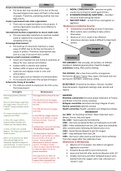
Aims Powers
1. Ensure international peace
• The Great War had resulted in the loss of life and 1. MORAL CONDEMNATION – pressure on guilty
the psychological scars were still fresh in the minds country by turning the world against them.
of people. Therefore, preventing another war was 2. ECONOMIC/FINANCIAL SANCTIONS – members
high priority. refuse to trade with guilty nation.
2. Create a permanent inter-state organisation 3. MILITARY FORCE – armed forces used against an
aggressor
• There was no organised body to ensure peace. A
central organisation would be more effective in Weaknesses in Collective Security:
solving disputes • Uncertainty of assembling an army if necessary
3. International business cooperation to secure trade roots • Most nations were unwilling to take actions
• This was especially important as countries needed themselves
trade to stabilise their economies after the • Absence of U.S.A. made it less effective
instability of the war • Unanimous decision made it difficult to take harsh
4. Encourage disarmament actions
• The build up of armaments had been a major • Unrealistic to expect to obey it
cause of WW1 due to the fear and tensions it The League of
causes in politics. Therefore, disarmament was Nations
seen as a way to prevent future conflict
5. Improve social/ economic conditions Structure
• Secure and maintain fair and humane conditions of
labour for men, women and children THE ASSEMBLY: Met annually, all members of LON (42
• Outlaw traffic in women and children members), debated general policy, fixed the budget,
• Outlaw traffic of opium and other drugs unanimous voting. More policy-making.
• Supervise and regulate trade in arms and
ammunitions THE COUNCIL: Met a few times and for emergencies.
• Secure rights such as freedom of communication Permanent (Britain, France, Italy, Japan, Germany) and non-
• Try to prevent and control the spread of disease permanent members. unanimous voting
6. Enforce the Treaty of Versailles
• The LON also aimed to implement the TOV across SECRETARIAT: Directed by Secretary- General. handled
the losing powers financial aspects. Organised meetings, kept records and
reports
Strengths Weaknesses
Most major powers joined the The League had no army of its own. AGENCIES:
League. Mandates commission (ensured proper behaviour of France
The USA did not join the League. and Britain in former enemy colonies)
Most countries began supporting This undermined the League from
the League when it was set up in the start.
Refugees committee (assisted returning refugees of war)
1919-20. People wanted to avoid Slavery commission (abolish slavery)
conflicts. The USSR did not join the League Health committee (health, sanitation and dangerous diseases)
until 1934. MEMBERSHIP
The League solved some political
disputes in the 1920s. In the 1930s the League could not
Jan 1920 – 42 founding members. Most important were
stop the rise of dictators in Japan, Britain, France, Italy and Japan
In 1921, the League settled a Germany and Italy. It was not Dec 1920 – Austria granted membership
dispute between Sweden and strong enough. 1926 – Germany accepted borders and allowed to join LON
Finland over the Aaland Islands
1933 – Hitler withdraws from the LON. Japan also withdraws
Leading powers were self-interested
In 1925, a Greek army invaded –The Geneva Protocol 1924 after condemnation following the Manchurian crisis
Bulgaria. The League persuaded the 1934 – Soviet Russia allowed to join the League
Greeks to leave. The Disarmament Committee’s 1937 – Italy withdrew from the LON
attempts to get members to reduce 1939 – Germany’s allies Austria and Soviet Union withdraw
Better communications by 1920s the size of their armies had no
(international flights & the success. France regarded
from the League after the outbreak of war
telephone) helped the League to disarmament a threat to national Weaknesses in Membership:
work efficiently. It made it easier to security. The failure of other • Absence of U.S.A power- less able to act against
act when conflict threatened. nations to disarm allowed Germany aggressive countries
to claim the right to re-arm to
protect themselves.
• Powerful Russia didn’t join (communism)
• Japan and Italy left after territorial disputes with LON
The League had very little real • Initially, Germany and other defeated powers were
power to get people to obey it. The banned from the League, and it was criticised as a
League relied on goodwill and
persuasion. Goodwill was not
‘winner’s club’
• Powers were more focused nationally than
1. Ensure international peace
• The Great War had resulted in the loss of life and 1. MORAL CONDEMNATION – pressure on guilty
the psychological scars were still fresh in the minds country by turning the world against them.
of people. Therefore, preventing another war was 2. ECONOMIC/FINANCIAL SANCTIONS – members
high priority. refuse to trade with guilty nation.
2. Create a permanent inter-state organisation 3. MILITARY FORCE – armed forces used against an
aggressor
• There was no organised body to ensure peace. A
central organisation would be more effective in Weaknesses in Collective Security:
solving disputes • Uncertainty of assembling an army if necessary
3. International business cooperation to secure trade roots • Most nations were unwilling to take actions
• This was especially important as countries needed themselves
trade to stabilise their economies after the • Absence of U.S.A. made it less effective
instability of the war • Unanimous decision made it difficult to take harsh
4. Encourage disarmament actions
• The build up of armaments had been a major • Unrealistic to expect to obey it
cause of WW1 due to the fear and tensions it The League of
causes in politics. Therefore, disarmament was Nations
seen as a way to prevent future conflict
5. Improve social/ economic conditions Structure
• Secure and maintain fair and humane conditions of
labour for men, women and children THE ASSEMBLY: Met annually, all members of LON (42
• Outlaw traffic in women and children members), debated general policy, fixed the budget,
• Outlaw traffic of opium and other drugs unanimous voting. More policy-making.
• Supervise and regulate trade in arms and
ammunitions THE COUNCIL: Met a few times and for emergencies.
• Secure rights such as freedom of communication Permanent (Britain, France, Italy, Japan, Germany) and non-
• Try to prevent and control the spread of disease permanent members. unanimous voting
6. Enforce the Treaty of Versailles
• The LON also aimed to implement the TOV across SECRETARIAT: Directed by Secretary- General. handled
the losing powers financial aspects. Organised meetings, kept records and
reports
Strengths Weaknesses
Most major powers joined the The League had no army of its own. AGENCIES:
League. Mandates commission (ensured proper behaviour of France
The USA did not join the League. and Britain in former enemy colonies)
Most countries began supporting This undermined the League from
the League when it was set up in the start.
Refugees committee (assisted returning refugees of war)
1919-20. People wanted to avoid Slavery commission (abolish slavery)
conflicts. The USSR did not join the League Health committee (health, sanitation and dangerous diseases)
until 1934. MEMBERSHIP
The League solved some political
disputes in the 1920s. In the 1930s the League could not
Jan 1920 – 42 founding members. Most important were
stop the rise of dictators in Japan, Britain, France, Italy and Japan
In 1921, the League settled a Germany and Italy. It was not Dec 1920 – Austria granted membership
dispute between Sweden and strong enough. 1926 – Germany accepted borders and allowed to join LON
Finland over the Aaland Islands
1933 – Hitler withdraws from the LON. Japan also withdraws
Leading powers were self-interested
In 1925, a Greek army invaded –The Geneva Protocol 1924 after condemnation following the Manchurian crisis
Bulgaria. The League persuaded the 1934 – Soviet Russia allowed to join the League
Greeks to leave. The Disarmament Committee’s 1937 – Italy withdrew from the LON
attempts to get members to reduce 1939 – Germany’s allies Austria and Soviet Union withdraw
Better communications by 1920s the size of their armies had no
(international flights & the success. France regarded
from the League after the outbreak of war
telephone) helped the League to disarmament a threat to national Weaknesses in Membership:
work efficiently. It made it easier to security. The failure of other • Absence of U.S.A power- less able to act against
act when conflict threatened. nations to disarm allowed Germany aggressive countries
to claim the right to re-arm to
protect themselves.
• Powerful Russia didn’t join (communism)
• Japan and Italy left after territorial disputes with LON
The League had very little real • Initially, Germany and other defeated powers were
power to get people to obey it. The banned from the League, and it was criticised as a
League relied on goodwill and
persuasion. Goodwill was not
‘winner’s club’
• Powers were more focused nationally than