TEST BANK 7y
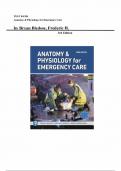
Clinical Chemistry: Principles, Techniques, and Correlations
7y 7y 7y 7y 7y
Michael L. Bishop, Edward P. Fody, Carleen Van Siclen & James March Mistler
7y 7y 7y 7y 7y 7y 7y 7y 7y 7y 7y 7y
9TH Edition
7y
TESTBANK y
7
,Clinical Chemistry: Principles, Techniques, and Correlations, Ninth Editio
7y 7y 7y 7y 7y 7y 7y
n
Test bank
Import Settings: 7y
Base Settings: Brownstone Defaul
7y 7y 7y
t Information Field: Complexity In
7y 7y 7y 7y
formation Field: Ahead Informatio 7y 7y 7y
n Field: Subject Information Field
7y 7y 7y 7y
: Title
7y
Highest Answer Letter: D 7y 7y 7y
Multiple Keywords in Same Paragraph: No
7y 7y 7y 7y 7y
NAS ISBN13: 9781284238884, add to Ahead, Title tags
7y 7y 7y 7y 7y 7y 7y
Chapter: Chapter 01 – Test Bank 7y 7y 7y 7y 7y
Multiple Choice 7y
1. One nanogram is equivalent to how many grams?
7y 7y 7y 7y 7y 7y 7y
A) 10-6
B) 10-9
C) 10-12
D) 10-15
Ans: B Complexit
7y 7y
y: RL2
7y
Ahead: Units of Measure 7y 7y 7y 7y
Subject: Chapter 1 7y 7y
Title: Basic Principles and Practices of Clinical Chemistry
7y 7y 7y 7y 7y 7y 7y
2. How many milliliters of 0.5N NaOH are required to make 100 milliliters of 0.2N NaOH?
7y 7y 7y 7y 7y 7y 7y 7y 7y 7y 7y 7y 7y 7y
A) 250
B) 40
C) 25
D) 4
Ans: B Complexit
7y 7y
y: RL2
7y
Ahead: Laboratory Mathematics and Calculation
7y 7y 7y 7y
s Subject: Chapter 1
7y 7y 7y
Title: Basic Principles and Practices of Clinical Chemistry
7y 7y 7y 7y 7y 7y 7y
3. A patient sample for uric acid gave an absorbance reading of 0.4, and the 50 mg/dL standard ga
7y 7y 7y 7y 7y 7y 7y 7y 7y 7y 7y 7y 7y 7y 7y 7y 7y
ve an absorbance reading of 0.1. What is the concentration of uric acid in the patient's sample in
7y 7y 7y 7y 7y 7y 7y 7y 7y 7y 7y 7y 7y 7y 7y 7y 7y 7y
grams per deciliter? 7y 7y
A) 0.2
B) 12.5
C) 125
D) 200
Ans: D Complexit
7y 7y
y: RL2
7y
Ahead: Laboratory Mathematics and Calculations
7y 7y 7y 7y
© Jones & Bartlett Learning, LLC, an Ascend Learning Compa
7y 7y 7y 7y 7y 7y 7y 7y 7y 1-1
ny
,Clinical Chemistry: Principles, Techniques, and Correlations, Ninth Editio
7y 7y 7y 7y 7y 7y 7y
n
Test bank
Subject: Chapter 1 7y 7y
Title: Basic Principles and Practices of Clinical Chemistry
7y 7y 7y 7y 7y 7y 7y
4. How many millimoles of NaCl are contained in 300 mL of a 4M solution? (gmw = 58.5)
7y 7y 7y 7y 7y 7y 7y 7y 7y 7y 7y 7y 7y 7y 7y 7y
A) 70
B) 120
C) 234
D) 1200
Ans: D Complexit
7y 7y
y: RL2
7y
Ahead: Laboratory Mathematics and Calculation
7y 7y 7y 7y
s Subject: Chapter 1
7y 7y 7y
Title: Basic Principles and Practices of Clinical Chemistry
7y 7y 7y 7y 7y 7y 7y
5. How is 10 mg/dL of calcium reported in mmol/L? (gmw = 40)
7y 7y 7y 7y 7y 7y 7y 7y 7y 7y 7y
A) 2.5
B) 5.0
C) 10
D) 25
Ans: A Complexit
7y 7y
y: RL2
7y
Ahead: Laboratory Mathematics and Calculation
7y 7y 7y 7y
s Subject: Chapter 1
7y 7y 7y
Title: Basic Principles and Practices of Clinical Chemistry
7y 7y 7y 7y 7y 7y 7y
6. How many milliliters of concentrated sulfuric acid (H2S04), G.M.W. = 98 grams, specific gravity = 1.
7y 7y 7y 7y 7y 7y 7y 7y 7y 7y 7y 7y 7y 7y 7y
500, purity = 80%, are needed to make 400 mL of a 2N solution?
7y 7y 7y 7y 7y 7y 7y 7y 7y 7y 7y 7y 7y
A) 26.1
B) 32.7
C) 52.3
D) 65.3
Ans: B Complexit
7y 7y
y: RL2
7y
Ahead: Laboratory Mathematics and Calculation
7y 7y 7y 7y
s Subject: Chapter 1
7y 7y 7y
Title: Basic Principles and Practices of Clinical Chemistry
7y 7y 7y 7y 7y 7y 7y
7. How many grams of hydrated MgSO4 5 H20 (M.W.: MgSO4 = 119, H20 = 18) are required to
7y 7y 7y 7y 7y 7y 7y 7y 7y 7y 7y 7y 7y 7y 7y 7y 7y 7y 7y
make a 10% solution of MgS04?
7y 7y 7y 7y 7y
A) 5.7 g/dL 7y
B) 11.9 g/dL 7y
C) 17.6 g/dL 7y
D) 20.9 g/dL A 7y 7y
ns: C Complexit
7y 7y
y: RL2
7y
Ahead: Laboratory Mathematics and Calculation
7y 7y 7y 7y
s Subject: Chapter 1
7y 7y 7y
Title: Basic Principles and Practices of Clinical Chemistry
7y 7y 7y 7y 7y 7y 7y
© Jones & Bartlett Learning, LLC, an Ascend Learning Compa
7y 7y 7y 7y 7y 7y 7y 7y 7y 1-2
ny
, Clinical Chemistry: Principles, Techniques, and Correlations, Ninth Editio
7y 7y 7y 7y 7y 7y 7y
n
Test bank
8. What is the molarity (M) of a 4% solution of sodium hydroxide (NaOH)? M.W: Na = 23, O = 16, H = 1.
7y 7y 7y 7y 7y 7y 7y 7y 7y 7y 7y 7y 7y 7y 7y 7y 7y 7y 7y 7y 7y 7y
A) 0.1M
B) 0.25M
C) 1.0M
D) 2.5M
Ans: C Complexit7y 7y
y: RL27y
Ahead: Laboratory Mathematics and Calculation
7y 7y 7y 7y
s Subject: Chapter 1
7y 7y 7y
Title: Basic Principles and Practices of Clinical Chemistry
7y 7y 7y 7y 7y 7y 7y
9. 3 mg/dL is equivalent to how many grams per liter?
7y 7y 7y 7y 7y 7y 7y 7y 7y
A) 0.003
B) 0.03
C) 0.3
D) 3
Ans: B Complexit7y 7y
y: RL27y
Ahead: Units of Measure
7y 7y 7y 7y
Subject: Chapter 1 7y 7y
Title: Basic Principles and Practices of Clinical Chemistry
7y 7y 7y 7y 7y 7y 7y
10. What is the normality of a solution containing 4.5 grams of BaCl2 in 400 mL? (gmw = 208)
7y 7y 7y 7y 7y 7y 7y 7y 7y 7y 7y 7y 7y 7y 7y 7y 7y
A) 1.10
B) 0.50
C) 0.25
D) 0.11
Ans: D Complexit7y 7y
y: RL27y
Ahead: Laboratory Mathematics and Calculation
7y 7y 7y 7y
s Subject: Chapter 1
7y 7y 7y
Title: Basic Principles and Practices of Clinical Chemistry
7y 7y 7y 7y 7y 7y 7y
11. What are the optimal conditions for specimen transport, handling, and storage of specimens
7y 7y 7y 7y 7y 7y 7y 7y 7y 7y 7y 7y
for clinical chemistry testing?
7y 7y 7y 7y
A) Specimen transported to lab within 2 hours after collection, stored at room temperature,
7y 7y 7y 7y 7y 7y 7y 7y 7y 7y 7y 7y 7y
and centrifuged within 4 hours.
7y 7y 7y 7y
B) Specimen transported to lab immediately, permitted to clot, serum separated and tested as soo
7y 7y 7y 7y 7y 7y 7y 7y 7y 7y 7y 7y 7y
n as possible.
7y 7y
C) Specimen brought to lab immediately, spun down, and serum left to stand on clot until tested.
7y 7y 7y 7y 7y 7y 7y 7y 7y 7y 7y 7y 7y 7y 7y
D) None of these represent optimal conditions
7y 7y 7y 7y 7y
. Ans: B
7y 7y
Complexity: RL1 7y
Ahead: Specimen Collection and Handlin
7y 7y 7y 7y
g Subject: Chapter 1
7y 7y 7y
Title: Basic Principles and Practices of Clinical Chemistry
7y 7y 7y 7y 7y 7y 7y
© Jones & Bartlett Learning, LLC, an Ascend Learning Compa
7y 7y 7y 7y 7y 7y 7y 7y 7y 1-3
ny
Clinical Chemistry: Principles, Techniques, and Correlations
7y 7y 7y 7y 7y
Michael L. Bishop, Edward P. Fody, Carleen Van Siclen & James March Mistler
7y 7y 7y 7y 7y 7y 7y 7y 7y 7y 7y 7y
9TH Edition
7y
TESTBANK y
7
,Clinical Chemistry: Principles, Techniques, and Correlations, Ninth Editio
7y 7y 7y 7y 7y 7y 7y
n
Test bank
Import Settings: 7y
Base Settings: Brownstone Defaul
7y 7y 7y
t Information Field: Complexity In
7y 7y 7y 7y
formation Field: Ahead Informatio 7y 7y 7y
n Field: Subject Information Field
7y 7y 7y 7y
: Title
7y
Highest Answer Letter: D 7y 7y 7y
Multiple Keywords in Same Paragraph: No
7y 7y 7y 7y 7y
NAS ISBN13: 9781284238884, add to Ahead, Title tags
7y 7y 7y 7y 7y 7y 7y
Chapter: Chapter 01 – Test Bank 7y 7y 7y 7y 7y
Multiple Choice 7y
1. One nanogram is equivalent to how many grams?
7y 7y 7y 7y 7y 7y 7y
A) 10-6
B) 10-9
C) 10-12
D) 10-15
Ans: B Complexit
7y 7y
y: RL2
7y
Ahead: Units of Measure 7y 7y 7y 7y
Subject: Chapter 1 7y 7y
Title: Basic Principles and Practices of Clinical Chemistry
7y 7y 7y 7y 7y 7y 7y
2. How many milliliters of 0.5N NaOH are required to make 100 milliliters of 0.2N NaOH?
7y 7y 7y 7y 7y 7y 7y 7y 7y 7y 7y 7y 7y 7y
A) 250
B) 40
C) 25
D) 4
Ans: B Complexit
7y 7y
y: RL2
7y
Ahead: Laboratory Mathematics and Calculation
7y 7y 7y 7y
s Subject: Chapter 1
7y 7y 7y
Title: Basic Principles and Practices of Clinical Chemistry
7y 7y 7y 7y 7y 7y 7y
3. A patient sample for uric acid gave an absorbance reading of 0.4, and the 50 mg/dL standard ga
7y 7y 7y 7y 7y 7y 7y 7y 7y 7y 7y 7y 7y 7y 7y 7y 7y
ve an absorbance reading of 0.1. What is the concentration of uric acid in the patient's sample in
7y 7y 7y 7y 7y 7y 7y 7y 7y 7y 7y 7y 7y 7y 7y 7y 7y 7y
grams per deciliter? 7y 7y
A) 0.2
B) 12.5
C) 125
D) 200
Ans: D Complexit
7y 7y
y: RL2
7y
Ahead: Laboratory Mathematics and Calculations
7y 7y 7y 7y
© Jones & Bartlett Learning, LLC, an Ascend Learning Compa
7y 7y 7y 7y 7y 7y 7y 7y 7y 1-1
ny
,Clinical Chemistry: Principles, Techniques, and Correlations, Ninth Editio
7y 7y 7y 7y 7y 7y 7y
n
Test bank
Subject: Chapter 1 7y 7y
Title: Basic Principles and Practices of Clinical Chemistry
7y 7y 7y 7y 7y 7y 7y
4. How many millimoles of NaCl are contained in 300 mL of a 4M solution? (gmw = 58.5)
7y 7y 7y 7y 7y 7y 7y 7y 7y 7y 7y 7y 7y 7y 7y 7y
A) 70
B) 120
C) 234
D) 1200
Ans: D Complexit
7y 7y
y: RL2
7y
Ahead: Laboratory Mathematics and Calculation
7y 7y 7y 7y
s Subject: Chapter 1
7y 7y 7y
Title: Basic Principles and Practices of Clinical Chemistry
7y 7y 7y 7y 7y 7y 7y
5. How is 10 mg/dL of calcium reported in mmol/L? (gmw = 40)
7y 7y 7y 7y 7y 7y 7y 7y 7y 7y 7y
A) 2.5
B) 5.0
C) 10
D) 25
Ans: A Complexit
7y 7y
y: RL2
7y
Ahead: Laboratory Mathematics and Calculation
7y 7y 7y 7y
s Subject: Chapter 1
7y 7y 7y
Title: Basic Principles and Practices of Clinical Chemistry
7y 7y 7y 7y 7y 7y 7y
6. How many milliliters of concentrated sulfuric acid (H2S04), G.M.W. = 98 grams, specific gravity = 1.
7y 7y 7y 7y 7y 7y 7y 7y 7y 7y 7y 7y 7y 7y 7y
500, purity = 80%, are needed to make 400 mL of a 2N solution?
7y 7y 7y 7y 7y 7y 7y 7y 7y 7y 7y 7y 7y
A) 26.1
B) 32.7
C) 52.3
D) 65.3
Ans: B Complexit
7y 7y
y: RL2
7y
Ahead: Laboratory Mathematics and Calculation
7y 7y 7y 7y
s Subject: Chapter 1
7y 7y 7y
Title: Basic Principles and Practices of Clinical Chemistry
7y 7y 7y 7y 7y 7y 7y
7. How many grams of hydrated MgSO4 5 H20 (M.W.: MgSO4 = 119, H20 = 18) are required to
7y 7y 7y 7y 7y 7y 7y 7y 7y 7y 7y 7y 7y 7y 7y 7y 7y 7y 7y
make a 10% solution of MgS04?
7y 7y 7y 7y 7y
A) 5.7 g/dL 7y
B) 11.9 g/dL 7y
C) 17.6 g/dL 7y
D) 20.9 g/dL A 7y 7y
ns: C Complexit
7y 7y
y: RL2
7y
Ahead: Laboratory Mathematics and Calculation
7y 7y 7y 7y
s Subject: Chapter 1
7y 7y 7y
Title: Basic Principles and Practices of Clinical Chemistry
7y 7y 7y 7y 7y 7y 7y
© Jones & Bartlett Learning, LLC, an Ascend Learning Compa
7y 7y 7y 7y 7y 7y 7y 7y 7y 1-2
ny
, Clinical Chemistry: Principles, Techniques, and Correlations, Ninth Editio
7y 7y 7y 7y 7y 7y 7y
n
Test bank
8. What is the molarity (M) of a 4% solution of sodium hydroxide (NaOH)? M.W: Na = 23, O = 16, H = 1.
7y 7y 7y 7y 7y 7y 7y 7y 7y 7y 7y 7y 7y 7y 7y 7y 7y 7y 7y 7y 7y 7y
A) 0.1M
B) 0.25M
C) 1.0M
D) 2.5M
Ans: C Complexit7y 7y
y: RL27y
Ahead: Laboratory Mathematics and Calculation
7y 7y 7y 7y
s Subject: Chapter 1
7y 7y 7y
Title: Basic Principles and Practices of Clinical Chemistry
7y 7y 7y 7y 7y 7y 7y
9. 3 mg/dL is equivalent to how many grams per liter?
7y 7y 7y 7y 7y 7y 7y 7y 7y
A) 0.003
B) 0.03
C) 0.3
D) 3
Ans: B Complexit7y 7y
y: RL27y
Ahead: Units of Measure
7y 7y 7y 7y
Subject: Chapter 1 7y 7y
Title: Basic Principles and Practices of Clinical Chemistry
7y 7y 7y 7y 7y 7y 7y
10. What is the normality of a solution containing 4.5 grams of BaCl2 in 400 mL? (gmw = 208)
7y 7y 7y 7y 7y 7y 7y 7y 7y 7y 7y 7y 7y 7y 7y 7y 7y
A) 1.10
B) 0.50
C) 0.25
D) 0.11
Ans: D Complexit7y 7y
y: RL27y
Ahead: Laboratory Mathematics and Calculation
7y 7y 7y 7y
s Subject: Chapter 1
7y 7y 7y
Title: Basic Principles and Practices of Clinical Chemistry
7y 7y 7y 7y 7y 7y 7y
11. What are the optimal conditions for specimen transport, handling, and storage of specimens
7y 7y 7y 7y 7y 7y 7y 7y 7y 7y 7y 7y
for clinical chemistry testing?
7y 7y 7y 7y
A) Specimen transported to lab within 2 hours after collection, stored at room temperature,
7y 7y 7y 7y 7y 7y 7y 7y 7y 7y 7y 7y 7y
and centrifuged within 4 hours.
7y 7y 7y 7y
B) Specimen transported to lab immediately, permitted to clot, serum separated and tested as soo
7y 7y 7y 7y 7y 7y 7y 7y 7y 7y 7y 7y 7y
n as possible.
7y 7y
C) Specimen brought to lab immediately, spun down, and serum left to stand on clot until tested.
7y 7y 7y 7y 7y 7y 7y 7y 7y 7y 7y 7y 7y 7y 7y
D) None of these represent optimal conditions
7y 7y 7y 7y 7y
. Ans: B
7y 7y
Complexity: RL1 7y
Ahead: Specimen Collection and Handlin
7y 7y 7y 7y
g Subject: Chapter 1
7y 7y 7y
Title: Basic Principles and Practices of Clinical Chemistry
7y 7y 7y 7y 7y 7y 7y
© Jones & Bartlett Learning, LLC, an Ascend Learning Compa
7y 7y 7y 7y 7y 7y 7y 7y 7y 1-3
ny