INNOVATION
MANAGEMENT
Course 18676 – Bachelor’s in Management and Technology
Fernando Alfayate Fernández
2024/2025
,Tabla de contenido
1. INNOVATION. BASIC CONCEPTS ................................................................................................ 3
1.1 TERMINOLOGY ................................................................................................................................................. 3
1.2 INNOVATION. HOW DOES IT OCCUR? .............................................................................................................. 3
1.3 INNOVATION IN THE FUTURE........................................................................................................................... 4
2. A GLOBAL PERSPECTIVE ON INNOVATION ................................................................................. 4
2.1 HOW TO MEASURE INNOVATION? .................................................................................................................. 4
2.2 WHO INNOVATES? ........................................................................................................................................... 5
2.3 ENTREPRENEURSHIP AND INNOVATION .......................................................................................................... 7
3. SOURCES OF INNOVATION ........................................................................................................ 9
3.1 TYPES OF R&D................................................................................................................................................... 9
3.2 ACTORS IN THE INNOVATION PROCESS ........................................................................................................... 9
3.3 SOURCES OF INNOVATION .............................................................................................................................10
3.4 MARKET-DRIVEN CHANGES............................................................................................................................11
3.5 TECHNOLOGY PUSH OR MARKET PULL? ........................................................................................................11
4. EVOLUTION OF TECHNOLOGY ................................................................................................. 12
4.1 TECHNOLOGICAL TRAJECTORIES ....................................................................................................................12
4.2 TECHNOLOGY S-CURVES ................................................................................................................................12
4.3 THE ABERNATHY-UTTERBACK MODEL ...........................................................................................................13
4.4 ALTERNATIVE & COMPLEMENTARY MODELS OF TECHNOLOGICAL CHANGE ...............................................15
4.5 SURVIVING IN ENTREPENEURIAL/INCUMBENT MARKETS .............................................................................16
5. INNOVATION DIFFUSION & ADOPTION ................................................................................... 17
5.1 TECHNOLOGY DIFFUSION ...............................................................................................................................17
5.2 ADOPTER HERETOGENEITY ............................................................................................................................17
5.3 MOVEMENTS ALONG THE ADOPTION CURVE ...............................................................................................18
5.4 S-CURVES OF TECHNOLOGY ADOPTION.........................................................................................................19
5.5 ESTIMATING THE DIFFUSSION RATE & MARKET SIZE ....................................................................................20
6. TECHNOLOGY STANDARDS...................................................................................................... 22
6.1 WHAT IS A TECHNICAL STANDARD.................................................................................................................22
6.2 WHY DO STANDARDS DEVELOP? ...................................................................................................................22
6.3 HOW DO STANDARDS ARISE? ........................................................................................................................24
6.4 THE RESULT: WINNER TAKE-ALL MARKETS ....................................................................................................25
7. APPROPRIABILITY OF INNOVATION: PATENTS ......................................................................... 25
7.1 APPROPRIATING RETURNS FROM INNOVATION ...........................................................................................25
7.2 INTELLECTUAL PROPERTY RIGHTS (IPR). PATENTS.........................................................................................26
8. APPROPRIABILITY OF INNOVATION: TRADE SECRETS, COPYRIGHT, TRADEMARK ...................... 30
8.1 TRADE SECRETS ..............................................................................................................................................30
8.2 COPYRIGHT .....................................................................................................................................................31
8.3 TRADEMARK ...................................................................................................................................................31
9. APPROPRIATING RETURNS FROM INNOVATION: STRATEGIC MECHANISMS ............................. 33
9.1 WHY ARE NON-LEGAL BARRIERS VALUABLE? ................................................................................................33
9.2 STRATEGIC MECHANISMS ..............................................................................................................................33
9.3 INNOVATOR OR IMITATOR? ...........................................................................................................................36
10. ORGANIZING FOR INNOVATION .............................................................................................. 37
10.1 ORGANIZATION STRUCTURE ......................................................................................................................37
10.2 MANAGING R&D PERSONNEL ....................................................................................................................38
11. FINANCING INNOVATION........................................................................................................ 40
11.1 SOURCES OF FINANCING ...........................................................................................................................40
11.2 BUSINESS ANGELS ......................................................................................................................................40
11.3 VENTURE CAPITAL ......................................................................................................................................40
Fernando Alfayate Fernández –
, 11.4 CORPORATE VENTURING ...........................................................................................................................41
11.5 CROWDFUNDING .......................................................................................................................................42
11.6 PUBLIC R&D FUNDING................................................................................................................................42
11.7 FINANCING R&D IN LARGE FIRMS ..............................................................................................................43
12. COLLABORATION STRATEGIES ................................................................................................. 44
12.1 COLLABORATE OR NOT?.............................................................................................................................44
12.2 REASONS TO COLLABORATE.......................................................................................................................44
12.3 REASONS NOT TO COLLABORATE ..............................................................................................................44
12.4 TYPES OF COLLABORATIVE ARRANGEMENTS ............................................................................................44
12.5 TRANSACTION COST ECONOMICS ..............................................................................................................46
12.6 CHOOSING AND MONITORING PARTNERS ................................................................................................47
12.7 EMPIRICAL EVIDENCE ON R&D COLLABORATION ......................................................................................47
Fernando Alfayate Fernández –
, 1. INNOVATION. BASIC CONCEPTS
1.1 TERMINOLOGY
Invention: creation of a novel device, method, or process for the first time. Innovation: process of using
knowledge to solve a problem.
Innovation implies that device, method, or process makes a significant contribution towards solving a problem
and has some economic relevance.
• Disambiguation invention: during Renaissance, inventions did not become innovations because they
were not technically feasible.
Technology: application of tools, materials, processes, and techniques to human activity.
• Technological innovation: applying new knowledge for commercial or practical purposes.
1.2 INNOVATION. HOW DOES IT OCCUR?
Management is necessary for innovation because most innovative ideas do not become successful new
products.
• Planned innovation: companies invest in R&D with the goal of coming up with an innovative product or
process that will give the firm an advantage.
• Accidental innovation: not the result of a deliberate attempt to solve a
particular problem, but by serendipity.
1.2.1 TYPES OF INNOVATION
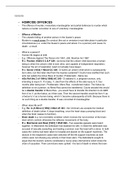
TYPE DEFINITION
Embodied in the output of an org. in its g&s: technical specs. and quality
PRODUCT
improvements: hybrid car, tablet computer, new medical drug…
Innovations in the way an organization conducts its business, such as the
PROCESS
techniques of producing or marketing g&s. It does not imply technology.
Product vs Process New product innovations and process innovations often occur at the same time.
RADICAL New and important innovation, very different to previous solutions.
INCREMENTAL Relatively minor change from (or adjustment to) existing practices.
is the architecture (i.e. how components are set up and interact) of a product
Architectural vs Modular
changed or just the individual components?
Competence-enhancing vs is an innovation building on my existing competences, or are completely new
Competence-destroying competences required?
does innovation first create a new market and subsequently cannibalizes existing
Disruptive vs Sustaining
ones?
Note that g&s stands for goods and services.
1.2.2 WHY IS TECHNOLOGICAL INNOVATION IMPORTANT?
• Innovation is a source of value creation
Fernando Alfayate Fernández –
MANAGEMENT
Course 18676 – Bachelor’s in Management and Technology
Fernando Alfayate Fernández
2024/2025
,Tabla de contenido
1. INNOVATION. BASIC CONCEPTS ................................................................................................ 3
1.1 TERMINOLOGY ................................................................................................................................................. 3
1.2 INNOVATION. HOW DOES IT OCCUR? .............................................................................................................. 3
1.3 INNOVATION IN THE FUTURE........................................................................................................................... 4
2. A GLOBAL PERSPECTIVE ON INNOVATION ................................................................................. 4
2.1 HOW TO MEASURE INNOVATION? .................................................................................................................. 4
2.2 WHO INNOVATES? ........................................................................................................................................... 5
2.3 ENTREPRENEURSHIP AND INNOVATION .......................................................................................................... 7
3. SOURCES OF INNOVATION ........................................................................................................ 9
3.1 TYPES OF R&D................................................................................................................................................... 9
3.2 ACTORS IN THE INNOVATION PROCESS ........................................................................................................... 9
3.3 SOURCES OF INNOVATION .............................................................................................................................10
3.4 MARKET-DRIVEN CHANGES............................................................................................................................11
3.5 TECHNOLOGY PUSH OR MARKET PULL? ........................................................................................................11
4. EVOLUTION OF TECHNOLOGY ................................................................................................. 12
4.1 TECHNOLOGICAL TRAJECTORIES ....................................................................................................................12
4.2 TECHNOLOGY S-CURVES ................................................................................................................................12
4.3 THE ABERNATHY-UTTERBACK MODEL ...........................................................................................................13
4.4 ALTERNATIVE & COMPLEMENTARY MODELS OF TECHNOLOGICAL CHANGE ...............................................15
4.5 SURVIVING IN ENTREPENEURIAL/INCUMBENT MARKETS .............................................................................16
5. INNOVATION DIFFUSION & ADOPTION ................................................................................... 17
5.1 TECHNOLOGY DIFFUSION ...............................................................................................................................17
5.2 ADOPTER HERETOGENEITY ............................................................................................................................17
5.3 MOVEMENTS ALONG THE ADOPTION CURVE ...............................................................................................18
5.4 S-CURVES OF TECHNOLOGY ADOPTION.........................................................................................................19
5.5 ESTIMATING THE DIFFUSSION RATE & MARKET SIZE ....................................................................................20
6. TECHNOLOGY STANDARDS...................................................................................................... 22
6.1 WHAT IS A TECHNICAL STANDARD.................................................................................................................22
6.2 WHY DO STANDARDS DEVELOP? ...................................................................................................................22
6.3 HOW DO STANDARDS ARISE? ........................................................................................................................24
6.4 THE RESULT: WINNER TAKE-ALL MARKETS ....................................................................................................25
7. APPROPRIABILITY OF INNOVATION: PATENTS ......................................................................... 25
7.1 APPROPRIATING RETURNS FROM INNOVATION ...........................................................................................25
7.2 INTELLECTUAL PROPERTY RIGHTS (IPR). PATENTS.........................................................................................26
8. APPROPRIABILITY OF INNOVATION: TRADE SECRETS, COPYRIGHT, TRADEMARK ...................... 30
8.1 TRADE SECRETS ..............................................................................................................................................30
8.2 COPYRIGHT .....................................................................................................................................................31
8.3 TRADEMARK ...................................................................................................................................................31
9. APPROPRIATING RETURNS FROM INNOVATION: STRATEGIC MECHANISMS ............................. 33
9.1 WHY ARE NON-LEGAL BARRIERS VALUABLE? ................................................................................................33
9.2 STRATEGIC MECHANISMS ..............................................................................................................................33
9.3 INNOVATOR OR IMITATOR? ...........................................................................................................................36
10. ORGANIZING FOR INNOVATION .............................................................................................. 37
10.1 ORGANIZATION STRUCTURE ......................................................................................................................37
10.2 MANAGING R&D PERSONNEL ....................................................................................................................38
11. FINANCING INNOVATION........................................................................................................ 40
11.1 SOURCES OF FINANCING ...........................................................................................................................40
11.2 BUSINESS ANGELS ......................................................................................................................................40
11.3 VENTURE CAPITAL ......................................................................................................................................40
Fernando Alfayate Fernández –
, 11.4 CORPORATE VENTURING ...........................................................................................................................41
11.5 CROWDFUNDING .......................................................................................................................................42
11.6 PUBLIC R&D FUNDING................................................................................................................................42
11.7 FINANCING R&D IN LARGE FIRMS ..............................................................................................................43
12. COLLABORATION STRATEGIES ................................................................................................. 44
12.1 COLLABORATE OR NOT?.............................................................................................................................44
12.2 REASONS TO COLLABORATE.......................................................................................................................44
12.3 REASONS NOT TO COLLABORATE ..............................................................................................................44
12.4 TYPES OF COLLABORATIVE ARRANGEMENTS ............................................................................................44
12.5 TRANSACTION COST ECONOMICS ..............................................................................................................46
12.6 CHOOSING AND MONITORING PARTNERS ................................................................................................47
12.7 EMPIRICAL EVIDENCE ON R&D COLLABORATION ......................................................................................47
Fernando Alfayate Fernández –
, 1. INNOVATION. BASIC CONCEPTS
1.1 TERMINOLOGY
Invention: creation of a novel device, method, or process for the first time. Innovation: process of using
knowledge to solve a problem.
Innovation implies that device, method, or process makes a significant contribution towards solving a problem
and has some economic relevance.
• Disambiguation invention: during Renaissance, inventions did not become innovations because they
were not technically feasible.
Technology: application of tools, materials, processes, and techniques to human activity.
• Technological innovation: applying new knowledge for commercial or practical purposes.
1.2 INNOVATION. HOW DOES IT OCCUR?
Management is necessary for innovation because most innovative ideas do not become successful new
products.
• Planned innovation: companies invest in R&D with the goal of coming up with an innovative product or
process that will give the firm an advantage.
• Accidental innovation: not the result of a deliberate attempt to solve a
particular problem, but by serendipity.
1.2.1 TYPES OF INNOVATION
TYPE DEFINITION
Embodied in the output of an org. in its g&s: technical specs. and quality
PRODUCT
improvements: hybrid car, tablet computer, new medical drug…
Innovations in the way an organization conducts its business, such as the
PROCESS
techniques of producing or marketing g&s. It does not imply technology.
Product vs Process New product innovations and process innovations often occur at the same time.
RADICAL New and important innovation, very different to previous solutions.
INCREMENTAL Relatively minor change from (or adjustment to) existing practices.
is the architecture (i.e. how components are set up and interact) of a product
Architectural vs Modular
changed or just the individual components?
Competence-enhancing vs is an innovation building on my existing competences, or are completely new
Competence-destroying competences required?
does innovation first create a new market and subsequently cannibalizes existing
Disruptive vs Sustaining
ones?
Note that g&s stands for goods and services.
1.2.2 WHY IS TECHNOLOGICAL INNOVATION IMPORTANT?
• Innovation is a source of value creation
Fernando Alfayate Fernández –