Health Behaviors
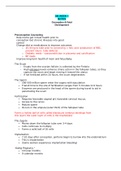
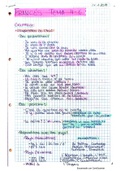
● Health promotion
○ Good health is a personal and collective achievement
Person Develops good health habits
Medical practitioner Teaches person how to engage
in healthy behavior and monitors
those at risk
Health psychologist Develops interventions to help
people practice health behavior
Community and policy makers Emphasize good health habits
and provide info and resources
● Goals of promotion: Reduce # of deaths, people live more enjoyable lives
for more years, increase life expectancy, reduce financial cost of illnesses
● Health behaviors Vs. health habits
Health behavior Vs. health habit
Behaviors people use to maintain Behavior that is firmly established
or enhance health in a person's lifestyle
Performed automatically
Good health habits: getting enough sleep, taking vitamins, exercise,
washing hands, brush teeth, wearing seatbelt
● Alameda california study (retrospective design)
○ 7000 residents surveyed on 7 different health habits
■ 1. Sleeping 7-8 hours a night
■ 2. Not smoking
■ 3. Eating breakfast everyday
■ 4. Having no more than 1-2 alcoholic drinks a day
■ 5. Getting regular exercise
■ 6. Not eating between meals
■ 7. Being no more than 10% overweight
○ Asked their medical history, days of missed work, energy level over
last 6-12 months
○ More health habits = less illness, felt better, less sick days
○ Follow ups conducted 9-12 years later (longitudinal design)
○ Mortality rates were lower for people doing the 7 health habits
● Primary prevention (1st step in preventing illness)
, ○ Instilling good health habits and changing bad ones
○ Trying to prevent an illness from occurring (2 ways)
■ 1. Get people to change behavior (most common)
■ 2. Keep people from developing bad habits (more recent)
● Who practices good health behaviors?
○ Demographic factors- younger, more affluent, better educated, low
stress, hgh social support
○ Age- fluctuate: good in childhood, decline in adolescence, improve
in older people
○ Values- cultural beliefs
○ Greater personal control- belief health is under their control, better
health habits
■ Questionnaire example
○ Social influences- people around us influence is for better or worse
○ Personal goals- example: goals to increase strength or endurance
○ Access to healthcare and perceived symptoms- routine tests,
education, motivation to change
○ Cognitive factors- people with knowledge and intelligence have
better health
● Health locus of control
○ Assess whether you think you control your health and whether you
believe it's controlled by healthcare professionals or by chance
● Barriers to modifying poor health behaviors
○ Inconvenient, expensive healthy foods, education on foods
○ Few immediate benefits to health behaviors
○ Emotions lead to the development and maintenance of behaviors
○ Health behaviors are independent and unstable
■ Different habits are controlled by different factors
● Major life events
■ Different factors may contribute to the same behaviors in
different people
■ Factors controlling behavior may change over time and the
person's life time
● Importance of intervening when younger
○ Children often start out with good health behaviors
■ Risky behaviors (experiment) teenage years
● Lead to adult behaviors
● Health promotion
○ Good health is a personal and collective achievement
Person Develops good health habits
Medical practitioner Teaches person how to engage
in healthy behavior and monitors
those at risk
Health psychologist Develops interventions to help
people practice health behavior
Community and policy makers Emphasize good health habits
and provide info and resources
● Goals of promotion: Reduce # of deaths, people live more enjoyable lives
for more years, increase life expectancy, reduce financial cost of illnesses
● Health behaviors Vs. health habits
Health behavior Vs. health habit
Behaviors people use to maintain Behavior that is firmly established
or enhance health in a person's lifestyle
Performed automatically
Good health habits: getting enough sleep, taking vitamins, exercise,
washing hands, brush teeth, wearing seatbelt
● Alameda california study (retrospective design)
○ 7000 residents surveyed on 7 different health habits
■ 1. Sleeping 7-8 hours a night
■ 2. Not smoking
■ 3. Eating breakfast everyday
■ 4. Having no more than 1-2 alcoholic drinks a day
■ 5. Getting regular exercise
■ 6. Not eating between meals
■ 7. Being no more than 10% overweight
○ Asked their medical history, days of missed work, energy level over
last 6-12 months
○ More health habits = less illness, felt better, less sick days
○ Follow ups conducted 9-12 years later (longitudinal design)
○ Mortality rates were lower for people doing the 7 health habits
● Primary prevention (1st step in preventing illness)
, ○ Instilling good health habits and changing bad ones
○ Trying to prevent an illness from occurring (2 ways)
■ 1. Get people to change behavior (most common)
■ 2. Keep people from developing bad habits (more recent)
● Who practices good health behaviors?
○ Demographic factors- younger, more affluent, better educated, low
stress, hgh social support
○ Age- fluctuate: good in childhood, decline in adolescence, improve
in older people
○ Values- cultural beliefs
○ Greater personal control- belief health is under their control, better
health habits
■ Questionnaire example
○ Social influences- people around us influence is for better or worse
○ Personal goals- example: goals to increase strength or endurance
○ Access to healthcare and perceived symptoms- routine tests,
education, motivation to change
○ Cognitive factors- people with knowledge and intelligence have
better health
● Health locus of control
○ Assess whether you think you control your health and whether you
believe it's controlled by healthcare professionals or by chance
● Barriers to modifying poor health behaviors
○ Inconvenient, expensive healthy foods, education on foods
○ Few immediate benefits to health behaviors
○ Emotions lead to the development and maintenance of behaviors
○ Health behaviors are independent and unstable
■ Different habits are controlled by different factors
● Major life events
■ Different factors may contribute to the same behaviors in
different people
■ Factors controlling behavior may change over time and the
person's life time
● Importance of intervening when younger
○ Children often start out with good health behaviors
■ Risky behaviors (experiment) teenage years
● Lead to adult behaviors