Revision notes
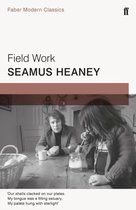
HEANEY: Field Work
A Drink of Water
A nostalgic, peaceful elegy to an old woman - Heaney’s childhood muse – in a
sonnet form.
Title
- ‘water’ immediately has biblical connotations, as it purifes and cleanses.
The speaker drinks the water of the old woman, portraying her as ethereal
- peaceful and nostalgic
Analysis
- ‘she’ third-person pronoun portrays her as unknown, mysterious and
elusive – a muse
- ‘every morning’ is ritualistic, possibly implying her monk/nun/witch status
with a reverence. The constant repeated action may be a metaphor for the
poetic process
- ‘water’ symbolism of purity yet normality
- ‘like an old bat’ simile degrading and colloquial, reverting to a sense of
normality
- ‘whooping cough’ ‘clatter’ semantic feld of
sickness/onomatopoeia/consonance has a harshness. Clumsiness in
decrepitude highlights her role as an imaginary muse; it is the speaker’s
perception
- ‘diminuendo’ Italian for slowing/ musical language alludes to the
Petrarchan sonnet form and the speaker’s respect. Described by sounds
and senses
- ‘announced her. I recall’ caesura/enjambment coupled with iambic
trimester creates a break, a reminder of the speaker’s fabrication of the
woman’s mystery
- ‘pocked white’ fawed yet pure
- ‘brimming bucket… treble’ semantic feld of music enhanced by
plosives/soft consonance; memory is rooted in sound
- ‘enamel’ ‘treble’ ‘handle’ ‘gable’ half-rhymes create a subtle, mellow tone
- ‘full moon lifted past her gable’ aural enhancement coupled with the
celestial/mystical sense that her presence is omnipresent
- ‘water’ repetition of religious language
- ‘dipped to drink’ intense consonance enhances the baptismal imagery, as
well as the shift to monosyllabic language
- ‘faithful to the admonishment’ doctrinal way to behave during a sermon
- ‘cup’ extra syllable emphasises dedication to confrmation/communion
- ‘Remember the Giver’ alludes to Mother Nature, the inspiration/muse? Or
the people of Northern Ireland with a traditional, peaceful way of life? A
commemoration of her by reverent religious imagery
Structure
- volta between ‘creak’ / ‘nights’ may indicate a shift from her life to death,
transcending mortality/a shift from the speaker’s childhood to adulthood,
a loss of innocence and the tragic realisation of the woman’s
HEANEY: Field Work
A Drink of Water
A nostalgic, peaceful elegy to an old woman - Heaney’s childhood muse – in a
sonnet form.
Title
- ‘water’ immediately has biblical connotations, as it purifes and cleanses.
The speaker drinks the water of the old woman, portraying her as ethereal
- peaceful and nostalgic
Analysis
- ‘she’ third-person pronoun portrays her as unknown, mysterious and
elusive – a muse
- ‘every morning’ is ritualistic, possibly implying her monk/nun/witch status
with a reverence. The constant repeated action may be a metaphor for the
poetic process
- ‘water’ symbolism of purity yet normality
- ‘like an old bat’ simile degrading and colloquial, reverting to a sense of
normality
- ‘whooping cough’ ‘clatter’ semantic feld of
sickness/onomatopoeia/consonance has a harshness. Clumsiness in
decrepitude highlights her role as an imaginary muse; it is the speaker’s
perception
- ‘diminuendo’ Italian for slowing/ musical language alludes to the
Petrarchan sonnet form and the speaker’s respect. Described by sounds
and senses
- ‘announced her. I recall’ caesura/enjambment coupled with iambic
trimester creates a break, a reminder of the speaker’s fabrication of the
woman’s mystery
- ‘pocked white’ fawed yet pure
- ‘brimming bucket… treble’ semantic feld of music enhanced by
plosives/soft consonance; memory is rooted in sound
- ‘enamel’ ‘treble’ ‘handle’ ‘gable’ half-rhymes create a subtle, mellow tone
- ‘full moon lifted past her gable’ aural enhancement coupled with the
celestial/mystical sense that her presence is omnipresent
- ‘water’ repetition of religious language
- ‘dipped to drink’ intense consonance enhances the baptismal imagery, as
well as the shift to monosyllabic language
- ‘faithful to the admonishment’ doctrinal way to behave during a sermon
- ‘cup’ extra syllable emphasises dedication to confrmation/communion
- ‘Remember the Giver’ alludes to Mother Nature, the inspiration/muse? Or
the people of Northern Ireland with a traditional, peaceful way of life? A
commemoration of her by reverent religious imagery
Structure
- volta between ‘creak’ / ‘nights’ may indicate a shift from her life to death,
transcending mortality/a shift from the speaker’s childhood to adulthood,
a loss of innocence and the tragic realisation of the woman’s