Sociale psychologie II
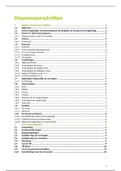
Inhoud
1. Evolutionaire psychologie...................................................................................................................4
1.1. Altruïsme en natuurlijke selectie.................................................................................................4
1.1.1. Natural selection and behavior.............................................................................................4
1.1.2. Altruïstic behavior.................................................................................................................4
1.1.3. Inclusive fitness and kinship.................................................................................................5
1.1.4. Reciprocal altruism...............................................................................................................6
1.1.5. Cooperation and competition...............................................................................................6
1.2. Seksuele selectie en seksverschillen in gedrag............................................................................7
Sexual selection and parental investment......................................................................................7
Mating preferences........................................................................................................................8
Young men: risk, violence and honor............................................................................................10
Cuckoldry and jealousy.................................................................................................................10
2. Interaction: cooperation and competition........................................................................................11
2.1. How does a collective work?.....................................................................................................11
2.1.1. Mixed motives....................................................................................................................11
2.1.2. Structure of interdepence...................................................................................................12
2.2. Beyond direct self-interest: transformation of situations..........................................................13
2.2.1. Interpersonal dispositions..................................................................................................13
2.2.2. Beliefs regarding other’s behavior......................................................................................15
2.2.3. Features of the relationship................................................................................................17
2.2.4. Social norms........................................................................................................................17
3. Aggression........................................................................................................................................18
3.1. Theories of aggression...............................................................................................................19
3.1.1. Biological approaches.........................................................................................................19
3.1.2. Psychological approaches...................................................................................................19
3.2. Personal and situational variables.............................................................................................22
3.2.1. Individual differences..........................................................................................................22
3.2.2. Situational influences..........................................................................................................23
3.3. Aggression as a social problem . ................................................................................................24
3.3.1. Intimate partner violence...................................................................................................24
3.3.2. Sexual aggression................................................................................................................24
3.3.3. Bullying in school and workplace........................................................................................25
3.4. Prevention and intervention . ....................................................................................................26
3.4.1. Catharsis.............................................................................................................................26
3.4.2. Punishment.........................................................................................................................26
1
, Sociale psychologie II
3.4.3. Inducing incompatible responses (can be effective)...........................................................26
3.5. Psychopathy..............................................................................................................................27
3.5.1. What is psychopathy?.........................................................................................................27
3.5.2. Theories of origin................................................................................................................28
3.5.3. Psychopathy and leadership...............................................................................................29
4. Prosocial behavior............................................................................................................................29
4.1. Helping and altruism..................................................................................................................29
4.1.1. Altruism vs. egoism.............................................................................................................29
4.2. Why we don’t help....................................................................................................................31
4.2.1. Bystander effect..................................................................................................................31
4.2.2. Other contextual variables..................................................................................................32
4.3. Why we do help........................................................................................................................33
4.3.1. Cost and benefits of helping...............................................................................................33
4.3.2. Groups and identity............................................................................................................34
4.3.3. Social identity and bystander effect....................................................................................34
4.3.4. Mood..................................................................................................................................35
4.4. Issues in researching prosocial behavior...................................................................................36
4.4.1. Violence and helping...........................................................................................................36
4.4.2. Gender and helping............................................................................................................36
4.4.3. Long-term helping...............................................................................................................37
4.5. Evolution and Neurosciences....................................................................................................39
4.5.1. Evolution, genes and helping..............................................................................................39
4.5.2. Neuroscience......................................................................................................................40
5. Attraction and close relationships....................................................................................................40
5.1. Importance of relationships.......................................................................................................40
5.1.1. Psychological and physical wellbeing..................................................................................40
5.1.2. Social support.....................................................................................................................41
5.1.3. Social exclusion...................................................................................................................43
5.1.4. Need to belong...................................................................................................................43
5.1.5. Attachment.........................................................................................................................44
5.2. Interpersonal Attraction............................................................................................................45
5.2.1. What is beautiful is good....................................................................................................45
5.2.2. Physical attraction...............................................................................................................47
5.2.3. Psychological attraction......................................................................................................48
5.2.4. Power of the situation........................................................................................................50
5.3. Romantic relationships..............................................................................................................51
5.3.1. Love....................................................................................................................................51
2
, Sociale psychologie II
5.3.2. Satisfaction and stability.....................................................................................................52
5.3.3. Enhancing relationship functioning....................................................................................53
5.4. General relationship processes.................................................................................................54
5.4.1. Types of relationships.........................................................................................................54
5.4.2. Disclosure & Responsiveness..............................................................................................55
5.4.3. Relationship ending............................................................................................................56
5.4.4. Growing old together..........................................................................................................56
6. Emotions...........................................................................................................................................57
6.1. What is an emotion?..................................................................................................................57
6.1.1. Pre-cognitive theories.........................................................................................................57
6.1.2. Social - psychological construct..........................................................................................57
6.2. Why do we have emotions?......................................................................................................58
6.2.1. Evolutionary origin..............................................................................................................58
6.2.2. Signal system......................................................................................................................58
6.2.3. Flexibility in behavior..........................................................................................................59
6.2.4. Information processing.......................................................................................................59
6.2.5. Regulation and control.......................................................................................................59
6.3. How are emotions elicited and differentiated?........................................................................60
6.3.1. Schachter - Singer...............................................................................................................60
6.3.2. Wundt's 2 dimensions........................................................................................................60
6.3.3. Appraisal theory..................................................................................................................61
6.3.4. Modern theories.................................................................................................................62
6.4. Specific response patterns........................................................................................................63
6.4.1. Face.....................................................................................................................................63
6.4.2. Voice...................................................................................................................................63
6.4.3. Control and strategic manipulation....................................................................................63
6.4.4. Physiological changes.........................................................................................................65
6.4.5. Feelings...............................................................................................................................65
6.5. Interaction of emotion components.........................................................................................67
6.5.1. Proprioceptive feedback.....................................................................................................67
6.5.2. Emotional contagion...........................................................................................................68
6.5.3. Consequences of emotion-regulation.................................................................................69
3
, Sociale psychologie II
1. Evolutionaire psychologie
1.1. Altruïsme en natuurlijke selectie
1.1.1. Natural selection and behavior
Evolutionary psychology investigates the evolutionary origin of behavior and consequences for
current psychological mechanisms.
Darwin (1859): “The Origin of Species”
o Selection in nature occurs because some organisms survive better and reproduce
better in a certain environment
o better fitness (= transferring next-generation genes)
Fitness= better FIT in die generatie plus het beter doorgeven van genen
o better adaptation to environment
Primary interest: evolution of physical features
Modern Darwinians:
o Primary interest: evolution of behavior (e.g., altruistic behavior)
o Evolutionary perspective on human nature:
Universal characteristics: These successful characteristics provide such an
evolutionary advantage, that they spread throughout the population and
become typical for all mankind
Bijvoorbeeld bipedalism: mensen beginnen met twee voeten te
lopen omdat het zo’n advantage is (je kan alles zien, je kan goed
bewegen etc) en zo werd het typical voor de hele bevolking
Ook universal psychological features/characteristics vallen hieronder
(bijvoorbeeld altruïstisch gedrag)
1.1.2. Altruïstic behavior
Altruistic behavior = helping others although it may be detrimental to your own fitness
Natural selection = seemingly selfish process
How to explain this?
o The universal need to belong. ( Ze willen bij de groep horen en niet uit de toon
vallen)
4
Inhoud
1. Evolutionaire psychologie...................................................................................................................4
1.1. Altruïsme en natuurlijke selectie.................................................................................................4
1.1.1. Natural selection and behavior.............................................................................................4
1.1.2. Altruïstic behavior.................................................................................................................4
1.1.3. Inclusive fitness and kinship.................................................................................................5
1.1.4. Reciprocal altruism...............................................................................................................6
1.1.5. Cooperation and competition...............................................................................................6
1.2. Seksuele selectie en seksverschillen in gedrag............................................................................7
Sexual selection and parental investment......................................................................................7
Mating preferences........................................................................................................................8
Young men: risk, violence and honor............................................................................................10
Cuckoldry and jealousy.................................................................................................................10
2. Interaction: cooperation and competition........................................................................................11
2.1. How does a collective work?.....................................................................................................11
2.1.1. Mixed motives....................................................................................................................11
2.1.2. Structure of interdepence...................................................................................................12
2.2. Beyond direct self-interest: transformation of situations..........................................................13
2.2.1. Interpersonal dispositions..................................................................................................13
2.2.2. Beliefs regarding other’s behavior......................................................................................15
2.2.3. Features of the relationship................................................................................................17
2.2.4. Social norms........................................................................................................................17
3. Aggression........................................................................................................................................18
3.1. Theories of aggression...............................................................................................................19
3.1.1. Biological approaches.........................................................................................................19
3.1.2. Psychological approaches...................................................................................................19
3.2. Personal and situational variables.............................................................................................22
3.2.1. Individual differences..........................................................................................................22
3.2.2. Situational influences..........................................................................................................23
3.3. Aggression as a social problem . ................................................................................................24
3.3.1. Intimate partner violence...................................................................................................24
3.3.2. Sexual aggression................................................................................................................24
3.3.3. Bullying in school and workplace........................................................................................25
3.4. Prevention and intervention . ....................................................................................................26
3.4.1. Catharsis.............................................................................................................................26
3.4.2. Punishment.........................................................................................................................26
1
, Sociale psychologie II
3.4.3. Inducing incompatible responses (can be effective)...........................................................26
3.5. Psychopathy..............................................................................................................................27
3.5.1. What is psychopathy?.........................................................................................................27
3.5.2. Theories of origin................................................................................................................28
3.5.3. Psychopathy and leadership...............................................................................................29
4. Prosocial behavior............................................................................................................................29
4.1. Helping and altruism..................................................................................................................29
4.1.1. Altruism vs. egoism.............................................................................................................29
4.2. Why we don’t help....................................................................................................................31
4.2.1. Bystander effect..................................................................................................................31
4.2.2. Other contextual variables..................................................................................................32
4.3. Why we do help........................................................................................................................33
4.3.1. Cost and benefits of helping...............................................................................................33
4.3.2. Groups and identity............................................................................................................34
4.3.3. Social identity and bystander effect....................................................................................34
4.3.4. Mood..................................................................................................................................35
4.4. Issues in researching prosocial behavior...................................................................................36
4.4.1. Violence and helping...........................................................................................................36
4.4.2. Gender and helping............................................................................................................36
4.4.3. Long-term helping...............................................................................................................37
4.5. Evolution and Neurosciences....................................................................................................39
4.5.1. Evolution, genes and helping..............................................................................................39
4.5.2. Neuroscience......................................................................................................................40
5. Attraction and close relationships....................................................................................................40
5.1. Importance of relationships.......................................................................................................40
5.1.1. Psychological and physical wellbeing..................................................................................40
5.1.2. Social support.....................................................................................................................41
5.1.3. Social exclusion...................................................................................................................43
5.1.4. Need to belong...................................................................................................................43
5.1.5. Attachment.........................................................................................................................44
5.2. Interpersonal Attraction............................................................................................................45
5.2.1. What is beautiful is good....................................................................................................45
5.2.2. Physical attraction...............................................................................................................47
5.2.3. Psychological attraction......................................................................................................48
5.2.4. Power of the situation........................................................................................................50
5.3. Romantic relationships..............................................................................................................51
5.3.1. Love....................................................................................................................................51
2
, Sociale psychologie II
5.3.2. Satisfaction and stability.....................................................................................................52
5.3.3. Enhancing relationship functioning....................................................................................53
5.4. General relationship processes.................................................................................................54
5.4.1. Types of relationships.........................................................................................................54
5.4.2. Disclosure & Responsiveness..............................................................................................55
5.4.3. Relationship ending............................................................................................................56
5.4.4. Growing old together..........................................................................................................56
6. Emotions...........................................................................................................................................57
6.1. What is an emotion?..................................................................................................................57
6.1.1. Pre-cognitive theories.........................................................................................................57
6.1.2. Social - psychological construct..........................................................................................57
6.2. Why do we have emotions?......................................................................................................58
6.2.1. Evolutionary origin..............................................................................................................58
6.2.2. Signal system......................................................................................................................58
6.2.3. Flexibility in behavior..........................................................................................................59
6.2.4. Information processing.......................................................................................................59
6.2.5. Regulation and control.......................................................................................................59
6.3. How are emotions elicited and differentiated?........................................................................60
6.3.1. Schachter - Singer...............................................................................................................60
6.3.2. Wundt's 2 dimensions........................................................................................................60
6.3.3. Appraisal theory..................................................................................................................61
6.3.4. Modern theories.................................................................................................................62
6.4. Specific response patterns........................................................................................................63
6.4.1. Face.....................................................................................................................................63
6.4.2. Voice...................................................................................................................................63
6.4.3. Control and strategic manipulation....................................................................................63
6.4.4. Physiological changes.........................................................................................................65
6.4.5. Feelings...............................................................................................................................65
6.5. Interaction of emotion components.........................................................................................67
6.5.1. Proprioceptive feedback.....................................................................................................67
6.5.2. Emotional contagion...........................................................................................................68
6.5.3. Consequences of emotion-regulation.................................................................................69
3
, Sociale psychologie II
1. Evolutionaire psychologie
1.1. Altruïsme en natuurlijke selectie
1.1.1. Natural selection and behavior
Evolutionary psychology investigates the evolutionary origin of behavior and consequences for
current psychological mechanisms.
Darwin (1859): “The Origin of Species”
o Selection in nature occurs because some organisms survive better and reproduce
better in a certain environment
o better fitness (= transferring next-generation genes)
Fitness= better FIT in die generatie plus het beter doorgeven van genen
o better adaptation to environment
Primary interest: evolution of physical features
Modern Darwinians:
o Primary interest: evolution of behavior (e.g., altruistic behavior)
o Evolutionary perspective on human nature:
Universal characteristics: These successful characteristics provide such an
evolutionary advantage, that they spread throughout the population and
become typical for all mankind
Bijvoorbeeld bipedalism: mensen beginnen met twee voeten te
lopen omdat het zo’n advantage is (je kan alles zien, je kan goed
bewegen etc) en zo werd het typical voor de hele bevolking
Ook universal psychological features/characteristics vallen hieronder
(bijvoorbeeld altruïstisch gedrag)
1.1.2. Altruïstic behavior
Altruistic behavior = helping others although it may be detrimental to your own fitness
Natural selection = seemingly selfish process
How to explain this?
o The universal need to belong. ( Ze willen bij de groep horen en niet uit de toon
vallen)
4