UNIT 2 business management SL, International Baccalaureate.
MARTA ALVAREZ
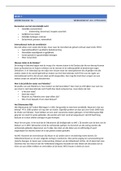
HUMAN RESOURCE MANAGEMENT
1 Functions and evolution of human resource management
Human resource management (HRM): the strategic approach to the effective
management of an organization’s workers so that they help the business
achieve its objectives and gain a competitive advantage.
Human resource planning:
1. Forecasting the number of employees required
- Forecasting demand for the firm's product; depending on the
season, the climate…
- The productivity levels of staff
- The objectives of the business
- Changes in the law regarding workers’ rights
- Labour turnover and absenteeism rate
2. Forecasting the skills required
- The pace of technological change in the industry
- The need for flexible or multi-skilled staff
Human resource or workforce planning: analysing and forecasting the numbers
of workers and the skills of those workers that will be required by the
organization to achieve its objectives.
Human resource or workforce plan: numbers of workers and skills of those
workers required over a future time period
Workforce audit: a check on the skills and qualifications of all existing
employees
Labour turnover:
Measures the rate at which employees are leaving an organization.
,Internal and external factors that influence human resource planning:
Demographic change.
- Changes in labour mobility:
Occupational mobility of labour: extent to which workers are willing and
able to move to different jobs requiring different skills
Geographical mobility of labour: extent to which workers are willing and
able to move geographical region to accept new jobs
Recruitment:
Recruitment: the process of identifying the need for a new employee, defining
the job to be filled and the type of person needed to fill it, attracting suitable
candidates for the job, and selecting the best one
Steps of job recruitment:
1. Establish the exact nature of the job vacancy and draw up a job
description
job title, details of the tasks to be performed, responsibilities involved, place in
the hierarchical structure, working conditions, how the job will be assessed, and
performance measured.
Job description: a detailed list of the key points about the job to be filled, stating
all the key tasks and responsibilities of it
2. Draw up a person specification
Person specification: a detailed list of the qualities, skills, and
qualifications that a successful applicant will need to have
3. Prepare a job advertisement reflecting the requirements of the job and
the personal qualities looked for
, 4. Draw up a shortlist of applicants
5. Conduct interviews
Training:
Training: work-related education to increase workforce skills and efficiency
1. On-the-job training
On-the-job training: instruction at the place of work on how a job should be
conducted.
Induction training: introductory training programme to familiarize new recruits
with the systems used in the business and the layout of the business site.
2.Off-the-job training
Off-the-job training: all training undertaken away from the business, e.g., work-
related college courses.
3.Cognitive training
Cognitive training: exercises designed to improve a person’s ability to
understand and learn information.
4.Behavioural skills training
Behavioural skills training: is designed to improve an individual’s ability to
communicate and interact with others both inside and external to the
organization.
It can include:
- communication skills
- change management skills
- negotiation skills
Training can be expensive. Well-qualified staff leaving for a better-paid job once
they have gained qualifications. The costs of not training are also substantial.
MARTA ALVAREZ
HUMAN RESOURCE MANAGEMENT
1 Functions and evolution of human resource management
Human resource management (HRM): the strategic approach to the effective
management of an organization’s workers so that they help the business
achieve its objectives and gain a competitive advantage.
Human resource planning:
1. Forecasting the number of employees required
- Forecasting demand for the firm's product; depending on the
season, the climate…
- The productivity levels of staff
- The objectives of the business
- Changes in the law regarding workers’ rights
- Labour turnover and absenteeism rate
2. Forecasting the skills required
- The pace of technological change in the industry
- The need for flexible or multi-skilled staff
Human resource or workforce planning: analysing and forecasting the numbers
of workers and the skills of those workers that will be required by the
organization to achieve its objectives.
Human resource or workforce plan: numbers of workers and skills of those
workers required over a future time period
Workforce audit: a check on the skills and qualifications of all existing
employees
Labour turnover:
Measures the rate at which employees are leaving an organization.
,Internal and external factors that influence human resource planning:
Demographic change.
- Changes in labour mobility:
Occupational mobility of labour: extent to which workers are willing and
able to move to different jobs requiring different skills
Geographical mobility of labour: extent to which workers are willing and
able to move geographical region to accept new jobs
Recruitment:
Recruitment: the process of identifying the need for a new employee, defining
the job to be filled and the type of person needed to fill it, attracting suitable
candidates for the job, and selecting the best one
Steps of job recruitment:
1. Establish the exact nature of the job vacancy and draw up a job
description
job title, details of the tasks to be performed, responsibilities involved, place in
the hierarchical structure, working conditions, how the job will be assessed, and
performance measured.
Job description: a detailed list of the key points about the job to be filled, stating
all the key tasks and responsibilities of it
2. Draw up a person specification
Person specification: a detailed list of the qualities, skills, and
qualifications that a successful applicant will need to have
3. Prepare a job advertisement reflecting the requirements of the job and
the personal qualities looked for
, 4. Draw up a shortlist of applicants
5. Conduct interviews
Training:
Training: work-related education to increase workforce skills and efficiency
1. On-the-job training
On-the-job training: instruction at the place of work on how a job should be
conducted.
Induction training: introductory training programme to familiarize new recruits
with the systems used in the business and the layout of the business site.
2.Off-the-job training
Off-the-job training: all training undertaken away from the business, e.g., work-
related college courses.
3.Cognitive training
Cognitive training: exercises designed to improve a person’s ability to
understand and learn information.
4.Behavioural skills training
Behavioural skills training: is designed to improve an individual’s ability to
communicate and interact with others both inside and external to the
organization.
It can include:
- communication skills
- change management skills
- negotiation skills
Training can be expensive. Well-qualified staff leaving for a better-paid job once
they have gained qualifications. The costs of not training are also substantial.