C3.1 Genes
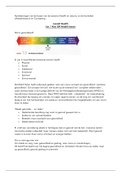
● Gene: particular section of DNA strand that forms a specific protein. It is a heritable factor that influences a
characteristic.
● Chromosome: long strand of DNA with genes
● chromosome is divided into 2 section to locate genes more easily
○ p is short arm
○ q is long arm
● 1 copy of each gene in inherited from each parent
○ 2 genes occur at each gene locus on maternal and paternal chromosome.
○ alleles may be the same or different BUT the position of each allele on maternal and paternal
chromosome is the same.
● Genome: entire set of chromosomes of an organism
● Gene locus: specific position of a gene on a chromosome (black lines in the diagram above)
○ all members of the same species have the same chromosome number with same genes in the
same loci.
● Allele: alternative specific forms of a gene.
○ single nucleotide polymorphism: each gene has at least 2 alleles that differ by a few bases
Mutations
● Mutation: permanent change in the base sequence of DNA
● occurs during DNA replication where expected identical daughter cells have different DNA from parental
cells
● the process of complementary base pairing is very fast so errors may arise
● Mutagens: X-ray, UV light, viruses can increase chance of mutations
○ if it leads to tumour then it is a carcinogen
,Types of mutation
Type Explanation
Base substitution
● most common
● change in 1 DNA base (1 mRNA codon)
● might not affect the protein drastically
● it may change 1 amino acid or 1 early STOP codon
Frameshift
● Insertion - a base is added
● Deletion - a base is deleted
● this changes the entire DNA (or mRNA) sequence
● this can have a huge effect on protein function
Human Genome Project:
Aim Significance Use Outcomes
determine the a sequence that is found 1. physical mapping of
sequence of the to have a particular chromosomes ● complete human
human genome and function in an organism 2. screen for genetic DNA was sequenced
identify its genes can be closely related to a diseases ● mapped all human
function in another 3. understanding of genetic genes
organism diseases increased ● discovered proteins
structure/functions
● found evidence for
human evolutionary
relationships
● promote international
cooperation
Sickle Cell Anaemia (Hbs)
● genetic disease caused by recessive gene in homozygous form
Cause:
● single base gene mutation in the beta-globin chain in the haemoglobin.
● it changes 1 of the polypeptide chains where codon GAG is changed to GTG (GUG in transcription)
● valine is made instead of glutamic acid
● this alters the tertiary structure of haemoglobin (2-beta and 2-alpha)and it becomes sickle cell shaped
, Symptoms:
● severe pain (sickle cells block tiny vessels)
● anaemia (damaged cells can be replaced fast enough)
● tiredness (sickle cell shape decreases surface area causing a shortage of oxygen absorption)
Malaria
Cause:
● parasitic disease hosted by female mosquitoes
● it invades normal blood cells and causes them to lyse
Symptoms:
● fever, vomiting, anaemia
Application of malaria and Hbs:
● 1 Hbs allele:
○ would not have sickle cell trait and are carriers.
○ Offers higher protection against malaria as the infected blood cells sickle more readily and are easily
destroyed by immune system
s
● 2 Hb allele:
○ have sickle cell trait
○ it is harmful and increases risk of malarial infection
Alleles Phenotype
HbAHbA All normal shape of red blood cells
HbSHbA 50% have normal shape and 50%
have sickle shape
HbSHbS All have sickle shape red blood
cells
● Gene: particular section of DNA strand that forms a specific protein. It is a heritable factor that influences a
characteristic.
● Chromosome: long strand of DNA with genes
● chromosome is divided into 2 section to locate genes more easily
○ p is short arm
○ q is long arm
● 1 copy of each gene in inherited from each parent
○ 2 genes occur at each gene locus on maternal and paternal chromosome.
○ alleles may be the same or different BUT the position of each allele on maternal and paternal
chromosome is the same.
● Genome: entire set of chromosomes of an organism
● Gene locus: specific position of a gene on a chromosome (black lines in the diagram above)
○ all members of the same species have the same chromosome number with same genes in the
same loci.
● Allele: alternative specific forms of a gene.
○ single nucleotide polymorphism: each gene has at least 2 alleles that differ by a few bases
Mutations
● Mutation: permanent change in the base sequence of DNA
● occurs during DNA replication where expected identical daughter cells have different DNA from parental
cells
● the process of complementary base pairing is very fast so errors may arise
● Mutagens: X-ray, UV light, viruses can increase chance of mutations
○ if it leads to tumour then it is a carcinogen
,Types of mutation
Type Explanation
Base substitution
● most common
● change in 1 DNA base (1 mRNA codon)
● might not affect the protein drastically
● it may change 1 amino acid or 1 early STOP codon
Frameshift
● Insertion - a base is added
● Deletion - a base is deleted
● this changes the entire DNA (or mRNA) sequence
● this can have a huge effect on protein function
Human Genome Project:
Aim Significance Use Outcomes
determine the a sequence that is found 1. physical mapping of
sequence of the to have a particular chromosomes ● complete human
human genome and function in an organism 2. screen for genetic DNA was sequenced
identify its genes can be closely related to a diseases ● mapped all human
function in another 3. understanding of genetic genes
organism diseases increased ● discovered proteins
structure/functions
● found evidence for
human evolutionary
relationships
● promote international
cooperation
Sickle Cell Anaemia (Hbs)
● genetic disease caused by recessive gene in homozygous form
Cause:
● single base gene mutation in the beta-globin chain in the haemoglobin.
● it changes 1 of the polypeptide chains where codon GAG is changed to GTG (GUG in transcription)
● valine is made instead of glutamic acid
● this alters the tertiary structure of haemoglobin (2-beta and 2-alpha)and it becomes sickle cell shaped
, Symptoms:
● severe pain (sickle cells block tiny vessels)
● anaemia (damaged cells can be replaced fast enough)
● tiredness (sickle cell shape decreases surface area causing a shortage of oxygen absorption)
Malaria
Cause:
● parasitic disease hosted by female mosquitoes
● it invades normal blood cells and causes them to lyse
Symptoms:
● fever, vomiting, anaemia
Application of malaria and Hbs:
● 1 Hbs allele:
○ would not have sickle cell trait and are carriers.
○ Offers higher protection against malaria as the infected blood cells sickle more readily and are easily
destroyed by immune system
s
● 2 Hb allele:
○ have sickle cell trait
○ it is harmful and increases risk of malarial infection
Alleles Phenotype
HbAHbA All normal shape of red blood cells
HbSHbA 50% have normal shape and 50%
have sickle shape
HbSHbS All have sickle shape red blood
cells