Core topic 5- How effectively did the USA contain the spread of Communism?
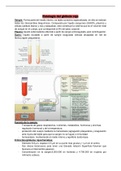
Case study 1: the Korean War
Origins
Outbreak of the Korean War
Korea under Japanese rule until 1945. After WW2, North liberated by USSR, South by US: When the
war ended:
- North remained communist-controlled, communist leader, one-party system (Soviet style)
- South = anti-communist, not democratic, but won support of USA
Bitter hostility between Syngman Rhee (South leader) and Kim Il Sung (North leader)-
reunification unlikely.
In 1950, war began with North overwhelming south, only small corner of south-east Korea
left (Pusan).
The US response
Korea was example (in eyes of Truman) of how communism would spread without US
intervention
Containment was the aim, but there were many methods of achieving this aim
USA attitude- do anything (but war) to stop spread of communism
Truman sent advisers, supplies, warships
UN intervention instead of US looks better to world
UN Resolution 84
- US biggest contributor to UN budget; most powerful
- Normally, USSR would veto this resolution, but it was boycotting the UN (since communist
China was not allowed to join)
- Therefore, USSR was not present at meeting to veto the resolution
- Truman was able to claim, after the resolution had been passed, that this was a UN-
sponsored mission (not US)
- Under resolution, UN allowed to use member armies to push North Koreans out of South
Korea
o 18 states provided support (mostly US/UK allies)
o Army was majority American, and General MacArthur (commander) also American
Development
September 1950- UN force advances
UN forces stormed ashore at Inchon (September 1950). Other UN forces and South Korean troops
advanced from Pusan. North Koreans pushed back to 38th parallel in weeks
October 1950- UN force presses on
Americans did not stop after achieving original aim. Despite warnings from Mao Tse-tung that if they
continued, China would join war, UN approved plan to advance into North Korea
US forces reached Yalu River + Chinese border by October- MacArthur + Truman saw opportunity to
fully remove communism from Korea
, November 1950- UN force retreats
In late October, 200 000 Chinese troops joined North Koreans, strong attack, committed to
communism, modern tanks provided by USSR (who had become a nuclear power in 1949)- UN
pushed back to South Korea
Bad winter conditions- Americans not used to them, matter of habit for Chinese (similar landscape)
April 1951- MacArthur sacked
MacArthur wanted to carry on war, invade China (nuclear if necessary). Truman wanted to stop-
communism had been contained. Risk of war with USSR too great.
In March 1951, MacArthur ignored Turman, threatening attack on China- Truman removed him
June 1951- peace talks begin
Fighting reached stalemate around 38th parallel, pace talks began, fighting continued
July 1953- armistice
Eisenhower replaced Truman
in 1952- he wanted to end
war. Stalin died in March
1953- Chinese + North
Koreans less confident.
Armistice signed in July 1953-
border remained practically
unchanged
Consequences of Korean War
Casualties (including civilians)
were big- 800 000 North
Koreans and Chinese soldiers,
500 000 South Korean civilians and 30 000 American troops died.
A success for containment?
Yes: despite cost + casualties, USA had will + means to contain communism
No: war showed limits of policy- North Korea remained communist, tensions between American
leaders: hard-line anti-communists wanted to push back communism, thought Truman was weak.
Moderate politicians = not worth the risk of war.
Tensions would affect US policy- North Korea would continue to trouble USA. With help from China,
North Korea + communist dictatorship, nuclear power (threatening Japan + South Korea- USA allies)
Methods of containment
War was too expensive. Two new methods: alliances + development of new weapons
Alliances with anti-communist countries
US created network of these alliances:
Case study 1: the Korean War
Origins
Outbreak of the Korean War
Korea under Japanese rule until 1945. After WW2, North liberated by USSR, South by US: When the
war ended:
- North remained communist-controlled, communist leader, one-party system (Soviet style)
- South = anti-communist, not democratic, but won support of USA
Bitter hostility between Syngman Rhee (South leader) and Kim Il Sung (North leader)-
reunification unlikely.
In 1950, war began with North overwhelming south, only small corner of south-east Korea
left (Pusan).
The US response
Korea was example (in eyes of Truman) of how communism would spread without US
intervention
Containment was the aim, but there were many methods of achieving this aim
USA attitude- do anything (but war) to stop spread of communism
Truman sent advisers, supplies, warships
UN intervention instead of US looks better to world
UN Resolution 84
- US biggest contributor to UN budget; most powerful
- Normally, USSR would veto this resolution, but it was boycotting the UN (since communist
China was not allowed to join)
- Therefore, USSR was not present at meeting to veto the resolution
- Truman was able to claim, after the resolution had been passed, that this was a UN-
sponsored mission (not US)
- Under resolution, UN allowed to use member armies to push North Koreans out of South
Korea
o 18 states provided support (mostly US/UK allies)
o Army was majority American, and General MacArthur (commander) also American
Development
September 1950- UN force advances
UN forces stormed ashore at Inchon (September 1950). Other UN forces and South Korean troops
advanced from Pusan. North Koreans pushed back to 38th parallel in weeks
October 1950- UN force presses on
Americans did not stop after achieving original aim. Despite warnings from Mao Tse-tung that if they
continued, China would join war, UN approved plan to advance into North Korea
US forces reached Yalu River + Chinese border by October- MacArthur + Truman saw opportunity to
fully remove communism from Korea
, November 1950- UN force retreats
In late October, 200 000 Chinese troops joined North Koreans, strong attack, committed to
communism, modern tanks provided by USSR (who had become a nuclear power in 1949)- UN
pushed back to South Korea
Bad winter conditions- Americans not used to them, matter of habit for Chinese (similar landscape)
April 1951- MacArthur sacked
MacArthur wanted to carry on war, invade China (nuclear if necessary). Truman wanted to stop-
communism had been contained. Risk of war with USSR too great.
In March 1951, MacArthur ignored Turman, threatening attack on China- Truman removed him
June 1951- peace talks begin
Fighting reached stalemate around 38th parallel, pace talks began, fighting continued
July 1953- armistice
Eisenhower replaced Truman
in 1952- he wanted to end
war. Stalin died in March
1953- Chinese + North
Koreans less confident.
Armistice signed in July 1953-
border remained practically
unchanged
Consequences of Korean War
Casualties (including civilians)
were big- 800 000 North
Koreans and Chinese soldiers,
500 000 South Korean civilians and 30 000 American troops died.
A success for containment?
Yes: despite cost + casualties, USA had will + means to contain communism
No: war showed limits of policy- North Korea remained communist, tensions between American
leaders: hard-line anti-communists wanted to push back communism, thought Truman was weak.
Moderate politicians = not worth the risk of war.
Tensions would affect US policy- North Korea would continue to trouble USA. With help from China,
North Korea + communist dictatorship, nuclear power (threatening Japan + South Korea- USA allies)
Methods of containment
War was too expensive. Two new methods: alliances + development of new weapons
Alliances with anti-communist countries
US created network of these alliances: