CITI: Cultural Competence in Research (Module 2) Already Graded A
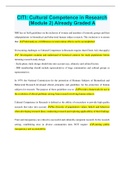
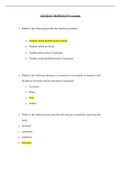
CITI: Cultural Competence in Research (Module 2) Already Graded A NIH has set forth guidelines on the inclusion of women and members of minority groups and their subpopulations in biomedical and behavioral human subject research. This inclusion is to ensure that: Valid analyses of differences in intervention effects can be accomplished Overcoming challenges to Cultural Competence in Research requires that:(Check ALL that apply) - Investigators examine and understand of historical contexts for study populations before initiating research study design. - Early-phase study design should take into account race, ethnicity and cultural factors. - IRB membership should include representatives of large communities and cultural groups as representatives. In 1979, the National Commission for the protection of Humans Subjects of Biomedical and Behavioral Research developed ethical principles and guidelines for the protection of human subjects for research. The purpose of these guidelines was to: Provide a framework for use in the resolution of ethical problems arising from research involving human subjects Cultural Competence in Research is defined as the ability of researchers to provide high quality research that takes into account: the diversity of population's values, beliefs and behaviors when developing research ideas, conducting research and exploring applicability of their findings. Trust and transparency are critical to successful and culturally competent research. In the research setting, establishing trust in diverse communities does NOT require: Limiting public transparency and accountability
Escuela, estudio y materia
- Institución
- CITI
- Grado
- CITI
Información del documento
- Subido en
- 29 de agosto de 2022
- Número de páginas
- 1
- Escrito en
- 2022/2023
- Tipo
- Examen
- Contiene
- Preguntas y respuestas
Temas
-
citi cultural competence in research module 2 already graded a
-
nih has set forth guidelines on the inclusion of women and members of minority groups and their subpopulations in biomedical and behav

Documento también disponible en un lote