Emancipation of the Serfs 1861
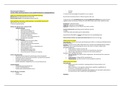
Russia in 1855
Strengths of 1855 Russia Weaknesses of 1855 Russia
World largest army of approx. 1.5 AUTOCRACY
million Edicts from the Tsar = law
Russian empire = ethnically and Tsar appointed his own advisers
religiously diverse Secret police
Tsar-Peasant link Inequal society: lack of a middle
class, only top and bottom classes
Russia = backwards compared to
rest of Europe
Serfdom obstructed economic &
industrial progress
Surfs lacked freedom of movement
and were tied to their land
No internal market demands
Calls for democratic reform initially
ignored by Tsar Decembrist
Uprising 1825
Who were the Serf’s?
No basic human, political or civil rights
Organised into communities Mir: allocated land to the Serfs, could physically punish
them & prevented them from moving away
Not technically slaves not owned by their landlord but required to…
Give up freedom of movement = a system of slavery as Serfs couldn’t leave the land unless
permitted by landlord tied to the land
2 main categories of Serfs:
1.Worked the land & gave produce to their landlords
2.Worked in the homes of landlords
Landlords…
acted as recruiting officers: Serfs required to perform military service of 25 years
sold their Serfs often breaking up families in the process (technically not allowed to
but did anyway)
could arrange marriages between Serfs and looked to breed strong healthy Serfs to
improve their stocks
acted as their Serfs Judge and Jury & could administer punishments to a Serf, send
them into the army or exile them to Siberia
, Terms of the Emancipation Edict:
1. All privately owned Serfs = freed
2. State owned Serfs = receive freedom in 1866
3. Freed Serfs could own property, own business, sue in courts, vote in local
elections, marry who they want
4. Freed-Serfs received an allotment of land taken from their former landowner’s
estate this land was decided by the landowners and allocated by official surveyors
5. Landowners compensated for lost Land by the state, land valued generously
6. Freed-Serfs paid for allotments through Redemption Payments
o Redemption payments: loan payments to the government paid for 49 years
with a 6% annual interest, Serfs only received full rights once this had been
fully paid off
7. Freed-Serfs given option of continuing work on former landowner’s land for so many
days a year to help pay back redemption payments
8. The Mirs were given responsibility for collecting redemption payments, the sale of
land and what was farmed
o Mirs: peasant villages/ communes
9. Landowners kept control of meadows, woodland, and pasture
10. There was a 2-year period of ‘temporary obligation’ before freedom was granted
where the allocation of land was sorted out
Benefited Serfs Benefited Landlords
Freedom Landowners chose the land to give
Own property, business etc… to ex-serfs save best for
Right to vote in local elections themselves
Worse off Landowners = access to forests etc…
access to wood, animals to hunt
which ex-serfs don’t have
Received compensation from ex-
serfs through redemption payments
If couldn’t pay redemption
payments serfs = not fully free and
still had to work on land to
compensate
Better off than Serfs/ ex-Serfs
Impact of Edict:
Russia in 1855
Strengths of 1855 Russia Weaknesses of 1855 Russia
World largest army of approx. 1.5 AUTOCRACY
million Edicts from the Tsar = law
Russian empire = ethnically and Tsar appointed his own advisers
religiously diverse Secret police
Tsar-Peasant link Inequal society: lack of a middle
class, only top and bottom classes
Russia = backwards compared to
rest of Europe
Serfdom obstructed economic &
industrial progress
Surfs lacked freedom of movement
and were tied to their land
No internal market demands
Calls for democratic reform initially
ignored by Tsar Decembrist
Uprising 1825
Who were the Serf’s?
No basic human, political or civil rights
Organised into communities Mir: allocated land to the Serfs, could physically punish
them & prevented them from moving away
Not technically slaves not owned by their landlord but required to…
Give up freedom of movement = a system of slavery as Serfs couldn’t leave the land unless
permitted by landlord tied to the land
2 main categories of Serfs:
1.Worked the land & gave produce to their landlords
2.Worked in the homes of landlords
Landlords…
acted as recruiting officers: Serfs required to perform military service of 25 years
sold their Serfs often breaking up families in the process (technically not allowed to
but did anyway)
could arrange marriages between Serfs and looked to breed strong healthy Serfs to
improve their stocks
acted as their Serfs Judge and Jury & could administer punishments to a Serf, send
them into the army or exile them to Siberia
, Terms of the Emancipation Edict:
1. All privately owned Serfs = freed
2. State owned Serfs = receive freedom in 1866
3. Freed Serfs could own property, own business, sue in courts, vote in local
elections, marry who they want
4. Freed-Serfs received an allotment of land taken from their former landowner’s
estate this land was decided by the landowners and allocated by official surveyors
5. Landowners compensated for lost Land by the state, land valued generously
6. Freed-Serfs paid for allotments through Redemption Payments
o Redemption payments: loan payments to the government paid for 49 years
with a 6% annual interest, Serfs only received full rights once this had been
fully paid off
7. Freed-Serfs given option of continuing work on former landowner’s land for so many
days a year to help pay back redemption payments
8. The Mirs were given responsibility for collecting redemption payments, the sale of
land and what was farmed
o Mirs: peasant villages/ communes
9. Landowners kept control of meadows, woodland, and pasture
10. There was a 2-year period of ‘temporary obligation’ before freedom was granted
where the allocation of land was sorted out
Benefited Serfs Benefited Landlords
Freedom Landowners chose the land to give
Own property, business etc… to ex-serfs save best for
Right to vote in local elections themselves
Worse off Landowners = access to forests etc…
access to wood, animals to hunt
which ex-serfs don’t have
Received compensation from ex-
serfs through redemption payments
If couldn’t pay redemption
payments serfs = not fully free and
still had to work on land to
compensate
Better off than Serfs/ ex-Serfs
Impact of Edict: