LUCIA ROMERO
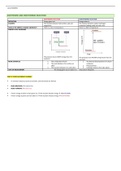
EXOTHERMIC AND ENDOTHERMIC REACTIONS
EXOTHERMIC REACTION ENDOTHERMIC REACTION
DEFINITION Energy given out Energy taken in
EXAMPLE The reaction between hydrochloric acid and The reaction between sodium hydrogen
magnesium carbonate (baking soda) and citric acid
HOW IS THE ENERGY CHANGE OBSERVED? There is a rise in temperature There is a fall in temperature
ENERGY LEVEL DIAGRAMS
The products have LOWER energy than the The products have HIGHER temperature than the
reactants reactants
MORE EXAMPLES 1. The combustion of fuels 1. The thermal decomposition of calcium
2. The neutralisation of an acid by an carbonate
alkali 2. Photosynthesis
3. The reaction between iron and sulfur 3. Cooking (reactions that take place)
UNIT OF MEASURMENT The energy given out or taken in is measured in kilojoules
WHY IS THERE AN ENERGY CHANGE?
• In chemical reactions, bonds are broken, and new bonds are formed
• BOND BREAKING → Endothermic
• BOND FORMING → Exothermic
• If more energy is taken in than given out → the reaction absorbs energy → ENDOTHERMIC
• If more energy is given out than taken in → the reaction releases energy → EXOTHERMIC
EXOTHERMIC AND ENDOTHERMIC REACTIONS
EXOTHERMIC REACTION ENDOTHERMIC REACTION
DEFINITION Energy given out Energy taken in
EXAMPLE The reaction between hydrochloric acid and The reaction between sodium hydrogen
magnesium carbonate (baking soda) and citric acid
HOW IS THE ENERGY CHANGE OBSERVED? There is a rise in temperature There is a fall in temperature
ENERGY LEVEL DIAGRAMS
The products have LOWER energy than the The products have HIGHER temperature than the
reactants reactants
MORE EXAMPLES 1. The combustion of fuels 1. The thermal decomposition of calcium
2. The neutralisation of an acid by an carbonate
alkali 2. Photosynthesis
3. The reaction between iron and sulfur 3. Cooking (reactions that take place)
UNIT OF MEASURMENT The energy given out or taken in is measured in kilojoules
WHY IS THERE AN ENERGY CHANGE?
• In chemical reactions, bonds are broken, and new bonds are formed
• BOND BREAKING → Endothermic
• BOND FORMING → Exothermic
• If more energy is taken in than given out → the reaction absorbs energy → ENDOTHERMIC
• If more energy is given out than taken in → the reaction releases energy → EXOTHERMIC