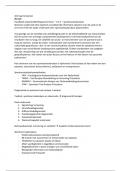
INDEPENDENT AFRICA
Up until WW2 – majority of African countries were under colonial rule
After WW2 – African Nationalists fought for freedom from colonial rule
1957 – Ghana first to gain independence
By 1960’s – most of Africa were free not Mozambique, Angola, Zim and
Namibia
MODELS OF GOVERNMENT
AFRICAN SOCIALISM:
Collective ownership of the means of production
Both the rich and poor were secure in African society
Communal land ownership, classless structure of village communities,
collective decision making
2 leaders who believed in it : Leopold Senghor (Senegal) & Julius
Nyerere (Tanzania)
Socialism was closer to the traditional African communal way of life
Willing to include benefits of western technology
CAPITALISM:
Kenya, Nigeria, Ivory Coast
Land previously owned by white farmers – bought by government and
sold to individual African farmers
Government assisted these farmers – soon became an important
feature in economy and encouraged foreign investment
Wanting to improve standard of living, provide essential social services
Economy remains reliant on foreign investments from West
Putting Africans in key positions in economy
DEMOCRACY:
Botswana
Single party usually had monopoly and quickly eliminated potential
opposition
Many leaders, once in power, abandoned western systems in pursuit of
more power
, Many states multi party democratic systems were soon replaced by
more authoritarian systems
ONE PARTY STATES
Ruling party took control of government, police, armed forces,
president ruled as autocratic
No democratic rule
Didn’t have competitive elections
Most cheap, straight-forward and efficient way
Often led to abuse of power
Some relied on army to stay in power
THE CONGO
Congo – with its vast minerals and strategic positions in central Africa,
became a focus of attention by superpowers during the Cold War
Up until June 1960 Congo was under Belgian rule
Legacy of Belgian rule:
1800’s Belgium colonised Congo – rich in resources
King Leopold II wanted wealth of Congo
Policy of Paternalism – African people should be treated like children,
not given any responsibility/place in government
No higher education for Africans, only primary and a few secondary
schools
Congolese people treated harshly – hard labour, high taxations
Army very brutal – destroyed villages, raped women, took hostages,
torturing
After WW2, Belgium was determined to keep Congo under their rule
Banned all political parties and independent African newspapers –
combat the spread of nationalist ideas from neighbouring countries
1959 Congo producing 10% worlds copper, 70% diamond & worlds
50% worlds cobalt
1959 violent protests in towns led Belgians to grant independence
within 6 months
BUT they hoped to maintain control behind the scenes because the
Congolese politicians were so inexperienced.
NEXT Congolese weren’t ready for this sudden change, many
political parties quickly formed.
Most parties parties from different regions, had the support from a
single ethnic group
May 1960 – elections to be held, hope that the years of oppression and
poverty would come to an end
Elections held – 120 parties – MNC (Movement National Congolese
won majority of the seats in parliament – led by Patrice Lumumba
Only party that had tried to gain nation-wide support, rather than
regionally-based support
Independence and Civil War
At independence – Congo was described as a third world economy
Up until WW2 – majority of African countries were under colonial rule
After WW2 – African Nationalists fought for freedom from colonial rule
1957 – Ghana first to gain independence
By 1960’s – most of Africa were free not Mozambique, Angola, Zim and
Namibia
MODELS OF GOVERNMENT
AFRICAN SOCIALISM:
Collective ownership of the means of production
Both the rich and poor were secure in African society
Communal land ownership, classless structure of village communities,
collective decision making
2 leaders who believed in it : Leopold Senghor (Senegal) & Julius
Nyerere (Tanzania)
Socialism was closer to the traditional African communal way of life
Willing to include benefits of western technology
CAPITALISM:
Kenya, Nigeria, Ivory Coast
Land previously owned by white farmers – bought by government and
sold to individual African farmers
Government assisted these farmers – soon became an important
feature in economy and encouraged foreign investment
Wanting to improve standard of living, provide essential social services
Economy remains reliant on foreign investments from West
Putting Africans in key positions in economy
DEMOCRACY:
Botswana
Single party usually had monopoly and quickly eliminated potential
opposition
Many leaders, once in power, abandoned western systems in pursuit of
more power
, Many states multi party democratic systems were soon replaced by
more authoritarian systems
ONE PARTY STATES
Ruling party took control of government, police, armed forces,
president ruled as autocratic
No democratic rule
Didn’t have competitive elections
Most cheap, straight-forward and efficient way
Often led to abuse of power
Some relied on army to stay in power
THE CONGO
Congo – with its vast minerals and strategic positions in central Africa,
became a focus of attention by superpowers during the Cold War
Up until June 1960 Congo was under Belgian rule
Legacy of Belgian rule:
1800’s Belgium colonised Congo – rich in resources
King Leopold II wanted wealth of Congo
Policy of Paternalism – African people should be treated like children,
not given any responsibility/place in government
No higher education for Africans, only primary and a few secondary
schools
Congolese people treated harshly – hard labour, high taxations
Army very brutal – destroyed villages, raped women, took hostages,
torturing
After WW2, Belgium was determined to keep Congo under their rule
Banned all political parties and independent African newspapers –
combat the spread of nationalist ideas from neighbouring countries
1959 Congo producing 10% worlds copper, 70% diamond & worlds
50% worlds cobalt
1959 violent protests in towns led Belgians to grant independence
within 6 months
BUT they hoped to maintain control behind the scenes because the
Congolese politicians were so inexperienced.
NEXT Congolese weren’t ready for this sudden change, many
political parties quickly formed.
Most parties parties from different regions, had the support from a
single ethnic group
May 1960 – elections to be held, hope that the years of oppression and
poverty would come to an end
Elections held – 120 parties – MNC (Movement National Congolese
won majority of the seats in parliament – led by Patrice Lumumba
Only party that had tried to gain nation-wide support, rather than
regionally-based support
Independence and Civil War
At independence – Congo was described as a third world economy