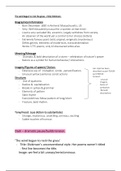
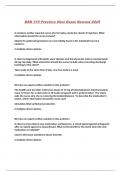
The wind begun to rock the grass – Emily Dickinson.
Biographical Information
- Born December 1830 in Amherst Massachusetts, US
- Very. Well educated (unusual for a women at that time)
- Lived a very secluded life; eccentric, largely withdrew from society.
An observer of the world yet a control to her choices (letters)
- Extremely famous poet: bold, original, enigmatic (mysterious)
Defies genres, elements of modernism, transcendentalism
Wrote 1775 poems; only 10 discovered while alive.
Meaning/Message
- Dramatic & bold description of a storm – celebration of nature’s power
- Nature as a symbol for human behaviour/ interactions
Imagery/Figures of speech/ Diction: Her style has been
- Extensive use of : metaphor, simile , personification. described as part PSALM
- Unusual syntax (sentence construction) part RIDDLE.
Content:
Structure:
- unusual
- Use of quatrains imagery
- Dashes & capitalisation - Sense of
- Breaks in syntax & grammar symbolism
- Beneath
- Elements of pattern descriptions
Slant rhyme
Even/odd lines follow pattern of long/short
- Fracture, bold rhythm.
Tone/mood: (use diction to substantiate)
- Strange, mysterious, unsettling, ominous, exciting
- Subtle touches of humour.
Dash – dramatic pause/builds tension.
‘The wind begun to rock the grass’
- Title: Dickinson’s unconventional style. Her poems weren’t titled
- first line becomes the title.
Image: we feel a bit uneasy/eerie/ominous
,
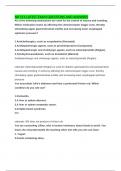
Biographical Information
- Born December 1830 in Amherst Massachusetts, US
- Very. Well educated (unusual for a women at that time)
- Lived a very secluded life; eccentric, largely withdrew from society.
An observer of the world yet a control to her choices (letters)
- Extremely famous poet: bold, original, enigmatic (mysterious)
Defies genres, elements of modernism, transcendentalism
Wrote 1775 poems; only 10 discovered while alive.
Meaning/Message
- Dramatic & bold description of a storm – celebration of nature’s power
- Nature as a symbol for human behaviour/ interactions
Imagery/Figures of speech/ Diction: Her style has been
- Extensive use of : metaphor, simile , personification. described as part PSALM
- Unusual syntax (sentence construction) part RIDDLE.
Content:
Structure:
- unusual
- Use of quatrains imagery
- Dashes & capitalisation - Sense of
- Breaks in syntax & grammar symbolism
- Beneath
- Elements of pattern descriptions
Slant rhyme
Even/odd lines follow pattern of long/short
- Fracture, bold rhythm.
Tone/mood: (use diction to substantiate)
- Strange, mysterious, unsettling, ominous, exciting
- Subtle touches of humour.
Dash – dramatic pause/builds tension.
‘The wind begun to rock the grass’
- Title: Dickinson’s unconventional style. Her poems weren’t titled
- first line becomes the title.
Image: we feel a bit uneasy/eerie/ominous
,