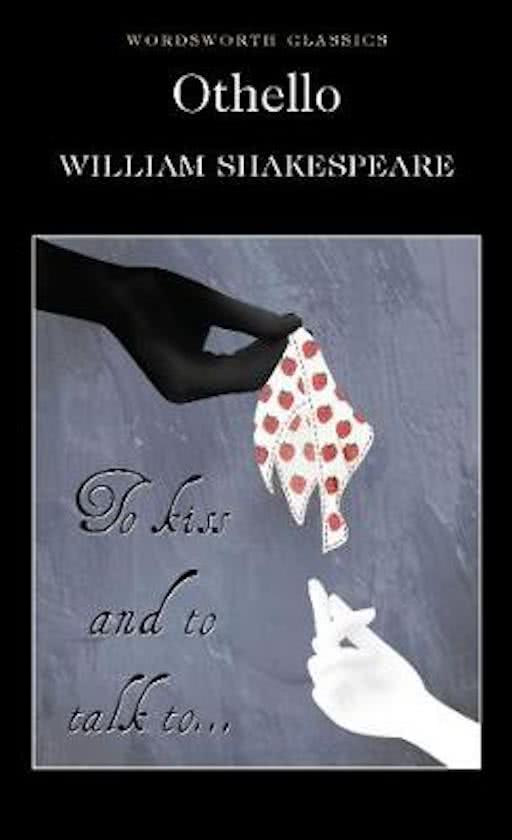
Othello Notes
Othello
→ Tragic hero
Outsider status
- Culturally and racially
- makes him an easy prey for Iago
- Only hear his name at the beginning of the third scene → only referred to by racial
epithets (“the Moor”, “thick-lips”, “old black ram”)
- He is not educated on Venetian customs → Iago takes advantage of this
- Insecure about race and marriage in Venetian society
Valued member of Venetian society
- Skilled soldier and leader
- Necessary to the state
- Noble and eloquent speech
- Trusted by the Venetian government → put in full command of Cyprus
Iago
→ Villain
Terrible characteristics
- Cunning, manipulative, deceitful
- Lack of convincing motivation for his actions and deep hatred of Othello
- Othello did not choose him as his lieutenant
- Suspects that Othello may have slept with Emilia: “It is abroad that ‘twixt my
sheets / He has done my office”
- Willing to take revenge on anyone that provokes him slightly
- Enjoys pain and damage that he causes
Manipulative
- Often funny → showcasing manipulative abilities
Hatred of women
- Kills his own wife, Emilia
, - Crude and crass language
Desdemona
→ loyal and loving
Naive and innocent
- Her innocence and unwavering love for Othello = tragedy of her fate
- Becomes a victim of Othello’s jealousy and Iago’s scheme
Strong character
- Stands up against her father
- Believes that she has her own voice and opinion
- Believes that her and Othello are equal in their marriage
Cassio
→ Othello’s loyal lieutenant
→ Young, charming, inexperienced
- Therefore target for Iago’s schemes
Emilia
→ Iago’s wife and Desdemona’s maid
→ Loyal to Desdemona
Othello as a tragic hero
Phases of a tragic hero:
1. Noble birth
• Othello is a Moorship prince and is well respected and loved
• Known for his bravery and calm leadership
2. Excessive pride (hubris)
• Othello is overly confident in the support of all Venetians for him
• Assumes that because he is respected he is also accepted
3. Tragic flaw (hamartia)
• Othello = insecurity + jealousy
• Outsider status
Othello
→ Tragic hero
Outsider status
- Culturally and racially
- makes him an easy prey for Iago
- Only hear his name at the beginning of the third scene → only referred to by racial
epithets (“the Moor”, “thick-lips”, “old black ram”)
- He is not educated on Venetian customs → Iago takes advantage of this
- Insecure about race and marriage in Venetian society
Valued member of Venetian society
- Skilled soldier and leader
- Necessary to the state
- Noble and eloquent speech
- Trusted by the Venetian government → put in full command of Cyprus
Iago
→ Villain
Terrible characteristics
- Cunning, manipulative, deceitful
- Lack of convincing motivation for his actions and deep hatred of Othello
- Othello did not choose him as his lieutenant
- Suspects that Othello may have slept with Emilia: “It is abroad that ‘twixt my
sheets / He has done my office”
- Willing to take revenge on anyone that provokes him slightly
- Enjoys pain and damage that he causes
Manipulative
- Often funny → showcasing manipulative abilities
Hatred of women
- Kills his own wife, Emilia
, - Crude and crass language
Desdemona
→ loyal and loving
Naive and innocent
- Her innocence and unwavering love for Othello = tragedy of her fate
- Becomes a victim of Othello’s jealousy and Iago’s scheme
Strong character
- Stands up against her father
- Believes that she has her own voice and opinion
- Believes that her and Othello are equal in their marriage
Cassio
→ Othello’s loyal lieutenant
→ Young, charming, inexperienced
- Therefore target for Iago’s schemes
Emilia
→ Iago’s wife and Desdemona’s maid
→ Loyal to Desdemona
Othello as a tragic hero
Phases of a tragic hero:
1. Noble birth
• Othello is a Moorship prince and is well respected and loved
• Known for his bravery and calm leadership
2. Excessive pride (hubris)
• Othello is overly confident in the support of all Venetians for him
• Assumes that because he is respected he is also accepted
3. Tragic flaw (hamartia)
• Othello = insecurity + jealousy
• Outsider status