Strangers Forever - Amin Kassam
IEB 2025
Each of us
Is a passenger
seated in one huge
compartment
going we do not know where
all strangers
thrown together by chance
who travel without arriving;
Who can read the whispers
of your mind
when they are hidden
even from you?
Though you open a window
in the chambers of your heart
though you strive to say
what you feel
and in striving reach
a state of understanding
there is still one part
one small part
that remains your own
one part
that neither I nor anyone else
will ever penetrate.
Forever strangers.
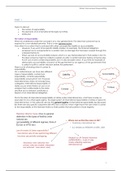
, - This opening line creates inclusivity, addressing
humanity as a collective.
- The pronoun "us" immediately establishes a sense of
Each of us unity, implying that everyone shares the same journey.
- The absence of elaborate imagery leaves the meaning
open to interpretation.
- The metaphor of being a "passenger" suggests that life
is akin to a journey, one where individuals are not in
control of their destination.
- It conveys a passive role, emphasizing how external
Is a passenger forces dictate the course of existence.
- The indefinite article "a" highlights the individual’s
anonymity among the masses.
- The line subtly introduces the theme of existential
uncertainty.
- The phrase "seated in one huge" continues the journey
metaphor, evoking an image of a vast, shared space.
- "Huge" suggests the immense scale of humanity’s
seated in one huge collective experience.
- The enjambment, where the thought spills over into the
next line, builds anticipation and mirrors the ongoing
nature of life’s journey.
- The absence of punctuation allows for seamless flow.
- "Compartment" narrows the vastness described earlier,
suggesting both physical and emotional confinement.
- It underscores the shared yet isolated nature of human
existence people are together in the same
compartment "compartment" but remain strangers.
- This juxtaposition deepens the theme of alienation. The
single word, set apart, gains weight and invites
reflection.
- This line captures existential uncertainty, emphasizing
humanity’s lack of knowledge about life’s ultimate
destination.
- The phrase "do not know where" conveys confusion and a
going we do not know where sense of helplessness.
- The absence of commas reflects the continuity of life’s
unknown path.
- The line’s rhetorical quality invites introspection about
the human condition.
- This phrase is stark and direct, reinforcing the theme
of alienation.
- The repetition of "all" intensifies the collective nature
all strangers of the experience.
- The absence of connection among the "strangers" is
significant, reminding the reader that human
interaction often lacks depth.
- The phrase stands alone, mirroring its isolating
sentiment.
IEB 2025
Each of us
Is a passenger
seated in one huge
compartment
going we do not know where
all strangers
thrown together by chance
who travel without arriving;
Who can read the whispers
of your mind
when they are hidden
even from you?
Though you open a window
in the chambers of your heart
though you strive to say
what you feel
and in striving reach
a state of understanding
there is still one part
one small part
that remains your own
one part
that neither I nor anyone else
will ever penetrate.
Forever strangers.
, - This opening line creates inclusivity, addressing
humanity as a collective.
- The pronoun "us" immediately establishes a sense of
Each of us unity, implying that everyone shares the same journey.
- The absence of elaborate imagery leaves the meaning
open to interpretation.
- The metaphor of being a "passenger" suggests that life
is akin to a journey, one where individuals are not in
control of their destination.
- It conveys a passive role, emphasizing how external
Is a passenger forces dictate the course of existence.
- The indefinite article "a" highlights the individual’s
anonymity among the masses.
- The line subtly introduces the theme of existential
uncertainty.
- The phrase "seated in one huge" continues the journey
metaphor, evoking an image of a vast, shared space.
- "Huge" suggests the immense scale of humanity’s
seated in one huge collective experience.
- The enjambment, where the thought spills over into the
next line, builds anticipation and mirrors the ongoing
nature of life’s journey.
- The absence of punctuation allows for seamless flow.
- "Compartment" narrows the vastness described earlier,
suggesting both physical and emotional confinement.
- It underscores the shared yet isolated nature of human
existence people are together in the same
compartment "compartment" but remain strangers.
- This juxtaposition deepens the theme of alienation. The
single word, set apart, gains weight and invites
reflection.
- This line captures existential uncertainty, emphasizing
humanity’s lack of knowledge about life’s ultimate
destination.
- The phrase "do not know where" conveys confusion and a
going we do not know where sense of helplessness.
- The absence of commas reflects the continuity of life’s
unknown path.
- The line’s rhetorical quality invites introspection about
the human condition.
- This phrase is stark and direct, reinforcing the theme
of alienation.
- The repetition of "all" intensifies the collective nature
all strangers of the experience.
- The absence of connection among the "strangers" is
significant, reminding the reader that human
interaction often lacks depth.
- The phrase stands alone, mirroring its isolating
sentiment.