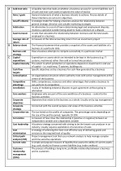
Theory of Romantic Relationships: DUCKS PHASE MODEL
Duck (2007) suggested that relationship dissolution is a process that consists of several
distinctive stages that happen when one partner is dissatisfied
Intrapsychic stage
focus is on the cognitive processes of the dissatisfied partner:
● they worry about the reasons for their dissatisfaction
● they weigh up the pros and cons of the R and evaluate them against alternatives
privately
● start to make plans
Dyadic phase
focus is on the interpersonal processes between the two partners: (can’t avoid talking about
it anymore)
● partner explains reasons for dissatisfaction and confronts partner
● they discuss their relationship
● feelings of anger hostility and complaints of inequity
-> outcomes: desire to repair/ breakup
Social phase
focus is on the couples social networks:
● breakup up is made public
● partners seek support and try to get people in their side
● some friends give reinforcement to convince them it was the right idea/ some friends
will blame the other partner/ some will try to intervene and fix the R =gossip
Grave Dressing Stage
focus is on the aftermath:
● each partner spins a story of the breakup to keep a positive reputation for themself-
usually accuses other partner
● doing post breakup activities to feel better
● threshhold ‘it’s time to get a new life’
EVALUATION
+ p- real world application
e- the model suggests ways the R breakdown can be reversed, as it recognises that
different repair strategies are more effective at different stages
e.g. Duck recommends people in the intrapsychic phase to focus their brooding on
the positive aspects of their partner and in the dyadic phase to improve
communication skills so partners understand the problems.
=can be used in RR counselling to improve RRs
- c- cultural bias
e- model is based on research into individualist culture relationships
-Moghaddam et al found individualist Rs are more likely to be more voluntary and end
frequently but collectivist Rs less voluntary and harder to end= breakdown phase
isn’t likely to be the same
Duck (2007) suggested that relationship dissolution is a process that consists of several
distinctive stages that happen when one partner is dissatisfied
Intrapsychic stage
focus is on the cognitive processes of the dissatisfied partner:
● they worry about the reasons for their dissatisfaction
● they weigh up the pros and cons of the R and evaluate them against alternatives
privately
● start to make plans
Dyadic phase
focus is on the interpersonal processes between the two partners: (can’t avoid talking about
it anymore)
● partner explains reasons for dissatisfaction and confronts partner
● they discuss their relationship
● feelings of anger hostility and complaints of inequity
-> outcomes: desire to repair/ breakup
Social phase
focus is on the couples social networks:
● breakup up is made public
● partners seek support and try to get people in their side
● some friends give reinforcement to convince them it was the right idea/ some friends
will blame the other partner/ some will try to intervene and fix the R =gossip
Grave Dressing Stage
focus is on the aftermath:
● each partner spins a story of the breakup to keep a positive reputation for themself-
usually accuses other partner
● doing post breakup activities to feel better
● threshhold ‘it’s time to get a new life’
EVALUATION
+ p- real world application
e- the model suggests ways the R breakdown can be reversed, as it recognises that
different repair strategies are more effective at different stages
e.g. Duck recommends people in the intrapsychic phase to focus their brooding on
the positive aspects of their partner and in the dyadic phase to improve
communication skills so partners understand the problems.
=can be used in RR counselling to improve RRs
- c- cultural bias
e- model is based on research into individualist culture relationships
-Moghaddam et al found individualist Rs are more likely to be more voluntary and end
frequently but collectivist Rs less voluntary and harder to end= breakdown phase
isn’t likely to be the same