SECTION A
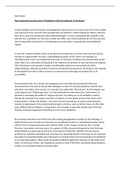
Question 1
1.1 According to Leland et al. (2013), we need to understand that texts often
embrace cultural ideas and, therefore, we should be sensitive to the ideas
associated with specific cultures when reading. How can being sensitive to the
cultural context of a text help readers avoid misunderstandings or
misinterpretations of its themes and characters?
When we are sensitive to a text's cultural context, we can understand the characters
and the story better. Cultures are different, and what might seem strange or wrong to
one person could be perfectly normal in another culture. For example, a tradition or
behaviour might seem odd or even offensive to us, but it could be a respected
practice in the culture the story is about. If we do not take the time to understand the
background of the text, we might completely misinterpret what the author is trying to
say. So, by being aware of these cultural differences, we can avoid
misunderstandings and appreciate the text in the way it was meant to be understood.
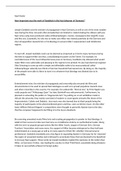
1.2 ‘Fan fiction is a genre of writing usually on the internet where people add,
extend or create new storylines to existing narratives’ (Leland et al., 2013: 54).
Consider the above quote from Leland et al. and discuss how fan fiction allows
for the exploration of themes, characters, or perspectives that may be
underrepresented or marginalised in the original works? What cultural
significance does this hold?
Fan fiction is important because it allows people to explore characters and themes
that may not have had enough attention in the original story. Sometimes the original
text does not focus much on certain characters or viewpoints, especially those that
belong to minority groups. With fan fiction, people can expand on these ideas and
give a voice to those who might have been ignored. This has a big cultural impact
because it encourages diversity and allows more people to feel represented in
stories. Fan fiction can introduce new ways of thinking and provide fresh
perspectives on stories we thought we already knew.
Question 1
1.1 According to Leland et al. (2013), we need to understand that texts often
embrace cultural ideas and, therefore, we should be sensitive to the ideas
associated with specific cultures when reading. How can being sensitive to the
cultural context of a text help readers avoid misunderstandings or
misinterpretations of its themes and characters?
When we are sensitive to a text's cultural context, we can understand the characters
and the story better. Cultures are different, and what might seem strange or wrong to
one person could be perfectly normal in another culture. For example, a tradition or
behaviour might seem odd or even offensive to us, but it could be a respected
practice in the culture the story is about. If we do not take the time to understand the
background of the text, we might completely misinterpret what the author is trying to
say. So, by being aware of these cultural differences, we can avoid
misunderstandings and appreciate the text in the way it was meant to be understood.
1.2 ‘Fan fiction is a genre of writing usually on the internet where people add,
extend or create new storylines to existing narratives’ (Leland et al., 2013: 54).
Consider the above quote from Leland et al. and discuss how fan fiction allows
for the exploration of themes, characters, or perspectives that may be
underrepresented or marginalised in the original works? What cultural
significance does this hold?
Fan fiction is important because it allows people to explore characters and themes
that may not have had enough attention in the original story. Sometimes the original
text does not focus much on certain characters or viewpoints, especially those that
belong to minority groups. With fan fiction, people can expand on these ideas and
give a voice to those who might have been ignored. This has a big cultural impact
because it encourages diversity and allows more people to feel represented in
stories. Fan fiction can introduce new ways of thinking and provide fresh
perspectives on stories we thought we already knew.