TRL3704:
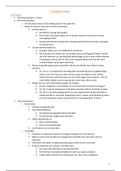
SEA TRANSPORT
Study guide: Unit 1
Prescribed book: Chapter 1
Sea transport is movement of goods and passengers on waterways by using
various means like boats, steamers, launches, ships and many others.
This transport system has evolved into three separate but closely connected
segments:
bulk shipping,
liner shipping and
specialized shipping
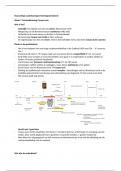
The role of sea trade in economic development:
As productivity increases and businesses produce more goods than they can sell locally,
they need access to wider markets
For markets to be reached transport is needed and this is where shipping was crucial
In primitive economies shipping is generally more efficient than land transport, allowing
trade to get started earlier
Sea transport is very important in developing the economy
Adam Smith recognized that shipping offers the transport needed to promote economic
development.
History of sea transport in South Africa:
, Study guide: Unit 2
Prescribed book: Chapter 2
Merchant shipping accounts for
roughly a third of the total
maritime activity which divides the
maritime business into five groups:
1. Vessel operations (i.e.
those directly involved with
ships).
2. Shipbuilding and marine engineering.
3. Marine resources (which include offshore oil, gas, renewable energy and minerals).
4. Marine fisheries (including aquaculture and seafood processing).
5. Other marine activities (mainly tourism and services).
,The modern international transport system consists of:
Roads, railways, inland waterways, shipping lines and air freight services, each using
different vehicles.
In practice the system falls into three zones:
o inter-regional transport (which covers deep-sea shipping and air freight)
o short-sea shipping (which transports cargoes short distances and often
distributes cargoes brought in by deep-sea services)
o inland transport (which includes road, rail, river and canal trans)
Three major segments in the shipping market:
1. Liner,
2. Bulk, and
3. Specialized shipping
The four primary producing sectors of the world economy:
1. Energy (including coal, oil and gas)
2. Mining (including metal ores and other crude minerals)
3. Agriculture (including grain and oilseeds, refrigerated foods, vegetable oils, and live
animals)
4. Forestry
(These commodities are the building-blocks of economic activity and transporting them from
areas of surplus to areas of shortage, is a major market for the shipping industry).
Manufactured goods are often shipped several times, first to assembly plants and then
on to other plants for finishing and packaging.
Three very important industries of final customer groups for processed and manufactured
products:
1. Power generation,
2. Transport, and
3. Construction
Primary materials (such as oil, iron ore and coal), move from areas of surplus to
areas of shortage, and are quite simple to analyze where specialist cargoes are often traded for
competitive reasons rather than supply and demand deficit.
Deficit trade occurs when there is a physical shortage of a product in one area and a surplus in
another, leading to a trade flow which fills the gap in the importing country.
Various seaborne trades can be arranged into four groups:
1. Energy trades
energy dominates bulk shipping
crude oil, oil products, liquefied gas and thermal coal (used to generate energy)
, 2. Metal industry trades
building-block of modern industrial society
raw materials and products of the steel and non-ferrous metal industries,
including iron ore, metallurgical grade coal, non-ferrous metal ores, steel
products and scrap
3. Agricultural and forestry trades
the products or raw materials of the agricultural industry (forest products are
primarily industrial materials used for the manufacture of paper, paper board
and in the construction industry)
they include cereals such as wheat and barley, soya beans, sugar, agribulks,
fertilizers and forest products
includes timber (logs and lumber) wood pulp, plywood, paper and various wood
products
4. Other cargoes
Industrial materials such as cement, salt, gypsum, mineral sands, chemicals and
many others. But there are also large quantities of semi-manufactures and
manufactures such as textiles, machinery, capital goods and vehicles.
PSD: parcel size distribution
Three factors which have an impact on the shape of the PSD function are:
1. Stock levels held by users
2. Depth of water at loading and discharging terminals
3. Cost savings by using a bigger ship
(economies of scale become smaller as ship size increases and eventually using a bigger ship
may not be worth the trouble).
The importance of the PSD function is that it answers the question of which cargoes
go in which ships.
Bulk cargo consists of large homogeneous cargo parcels big enough to fill a whole ship.
General cargo consists of many small consignments each too small to fill a ship, that have to be
packed with other cargo for transport..
4 Main aspects to the transport service which contribute to the product ‘delivered’ by shipping
companies:
1. Price
2. Speed
3. Reliability
4. Security
(Together these introduce an element of differentiation into the business.)
The shipping market is divided into three separate segments:
1. Bulk shipping
SEA TRANSPORT
Study guide: Unit 1
Prescribed book: Chapter 1
Sea transport is movement of goods and passengers on waterways by using
various means like boats, steamers, launches, ships and many others.
This transport system has evolved into three separate but closely connected
segments:
bulk shipping,
liner shipping and
specialized shipping
The role of sea trade in economic development:
As productivity increases and businesses produce more goods than they can sell locally,
they need access to wider markets
For markets to be reached transport is needed and this is where shipping was crucial
In primitive economies shipping is generally more efficient than land transport, allowing
trade to get started earlier
Sea transport is very important in developing the economy
Adam Smith recognized that shipping offers the transport needed to promote economic
development.
History of sea transport in South Africa:
, Study guide: Unit 2
Prescribed book: Chapter 2
Merchant shipping accounts for
roughly a third of the total
maritime activity which divides the
maritime business into five groups:
1. Vessel operations (i.e.
those directly involved with
ships).
2. Shipbuilding and marine engineering.
3. Marine resources (which include offshore oil, gas, renewable energy and minerals).
4. Marine fisheries (including aquaculture and seafood processing).
5. Other marine activities (mainly tourism and services).
,The modern international transport system consists of:
Roads, railways, inland waterways, shipping lines and air freight services, each using
different vehicles.
In practice the system falls into three zones:
o inter-regional transport (which covers deep-sea shipping and air freight)
o short-sea shipping (which transports cargoes short distances and often
distributes cargoes brought in by deep-sea services)
o inland transport (which includes road, rail, river and canal trans)
Three major segments in the shipping market:
1. Liner,
2. Bulk, and
3. Specialized shipping
The four primary producing sectors of the world economy:
1. Energy (including coal, oil and gas)
2. Mining (including metal ores and other crude minerals)
3. Agriculture (including grain and oilseeds, refrigerated foods, vegetable oils, and live
animals)
4. Forestry
(These commodities are the building-blocks of economic activity and transporting them from
areas of surplus to areas of shortage, is a major market for the shipping industry).
Manufactured goods are often shipped several times, first to assembly plants and then
on to other plants for finishing and packaging.
Three very important industries of final customer groups for processed and manufactured
products:
1. Power generation,
2. Transport, and
3. Construction
Primary materials (such as oil, iron ore and coal), move from areas of surplus to
areas of shortage, and are quite simple to analyze where specialist cargoes are often traded for
competitive reasons rather than supply and demand deficit.
Deficit trade occurs when there is a physical shortage of a product in one area and a surplus in
another, leading to a trade flow which fills the gap in the importing country.
Various seaborne trades can be arranged into four groups:
1. Energy trades
energy dominates bulk shipping
crude oil, oil products, liquefied gas and thermal coal (used to generate energy)
, 2. Metal industry trades
building-block of modern industrial society
raw materials and products of the steel and non-ferrous metal industries,
including iron ore, metallurgical grade coal, non-ferrous metal ores, steel
products and scrap
3. Agricultural and forestry trades
the products or raw materials of the agricultural industry (forest products are
primarily industrial materials used for the manufacture of paper, paper board
and in the construction industry)
they include cereals such as wheat and barley, soya beans, sugar, agribulks,
fertilizers and forest products
includes timber (logs and lumber) wood pulp, plywood, paper and various wood
products
4. Other cargoes
Industrial materials such as cement, salt, gypsum, mineral sands, chemicals and
many others. But there are also large quantities of semi-manufactures and
manufactures such as textiles, machinery, capital goods and vehicles.
PSD: parcel size distribution
Three factors which have an impact on the shape of the PSD function are:
1. Stock levels held by users
2. Depth of water at loading and discharging terminals
3. Cost savings by using a bigger ship
(economies of scale become smaller as ship size increases and eventually using a bigger ship
may not be worth the trouble).
The importance of the PSD function is that it answers the question of which cargoes
go in which ships.
Bulk cargo consists of large homogeneous cargo parcels big enough to fill a whole ship.
General cargo consists of many small consignments each too small to fill a ship, that have to be
packed with other cargo for transport..
4 Main aspects to the transport service which contribute to the product ‘delivered’ by shipping
companies:
1. Price
2. Speed
3. Reliability
4. Security
(Together these introduce an element of differentiation into the business.)
The shipping market is divided into three separate segments:
1. Bulk shipping