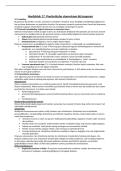
DNA: The Code of Life:
Grade 11 Revision:
Functions of the cell:
• Cell membrane - encloses the cytoplasm and protects
the cell
• Cytoplasm - The place where all reactions take place
• Nuclear membrane - encloses the nucleus (contains
nuclear pores)
• Chromatin Network - forms chromosomes made from
DNA
• Nucleolus - produces ribosomes
• Ribosomes - the site of protein synthesis
• Endoplasmic reticulum - the site where ribosomes
attach
Nucleic Acids:
Nucleic acids are molecules which store information.
Two types of nucleic acids:
• DNA - deoxyribonucleic acid
• RNA - ribonucleic acid
Both are needed to form proteins, which give structure to the cell and form enzymes needed for metabolic
reactions.
DNA:
DNA can be found in the following places:
1. Nucleus- nDNA forms chromatin
2. Mitochondria- mtDNA
3. Chloroplast
DNA is wound around Histone proteins to form long chains of chromatin. The chromatin then condenses to
form chromosomes.
The human body has 46 chromosomes (23 pairs). The pairs of chromosomes are homologous meaning they
are the same size, same shape and share the genes for the same characteristics.
The Discovery of DNA structure:
• Rosalind Franklin – was the first to take an x-ray photograph of the DNA used to determine its
structure (double helix of DNA).
• Watson, Crick & Wilkins – won the Nobel Prize for discovering the shape and structure of DNA.
DNA Nucleotides:
Nucleotides consist of phosphates (P), the sugar deoxyribose (S) and nitrogenous bases.
1
, 4 types of nitrogenous bases:
1. Adenine (A) – purines (long chains)
2. Guanine (G) – purines (long chains)
3. Cytosine (C) – pyrimidine (short chains)
4. Thymine (T) – pyrimidine (short chains)
Adenine bonds to Thymine (2 Hydrogen bonds) and
Cytosine binds to Guanine (3 Hydrogen bonds).
Importance of DNA:
• DNA codes for proteins.
• DNA contains hereditary molecules in the form
of genes.
• DNA is able to replicate itself (make identical
copies of itself).
DNA Replication:
The importance of DNA Replication is to ensure that each daughter cell produced at the end of mitosis is
genetically identical to each other. DNA Replication takes place towards the end of interphase right before
mitosis begins. The process only takes place in the nucleus of a cell and catalysed by the enzyme DNA
polymerase.
The process of DNA replication:
1. Double helix unwinds
2. DNA unzips (Hydrogen bonds break)
3. Two strands act as a template
4. Free DNA nucleotides from the nucleoplasm bind to the strands in a complementary way
(A-T and C-G)
5. Two new genetically identical DNA molecules are formed
DNA Profiling:
DNA profiling is the process by which the DNA pattern of a person is determined as each person has a unique
DNA profile.
The uses of DNA profiling:
• Paternity testing
• Identify dead bodies
• Identify missing relatives
• Match tissues for organ transplants
• Forensic use (identify criminals)
• Determine probability of inheriting genetic
disorders.
*Notice that all the dark bands on the crime scene
matches with all the dark bands of suspect 2 (based on
the diagram on the right)
2
Grade 11 Revision:
Functions of the cell:
• Cell membrane - encloses the cytoplasm and protects
the cell
• Cytoplasm - The place where all reactions take place
• Nuclear membrane - encloses the nucleus (contains
nuclear pores)
• Chromatin Network - forms chromosomes made from
DNA
• Nucleolus - produces ribosomes
• Ribosomes - the site of protein synthesis
• Endoplasmic reticulum - the site where ribosomes
attach
Nucleic Acids:
Nucleic acids are molecules which store information.
Two types of nucleic acids:
• DNA - deoxyribonucleic acid
• RNA - ribonucleic acid
Both are needed to form proteins, which give structure to the cell and form enzymes needed for metabolic
reactions.
DNA:
DNA can be found in the following places:
1. Nucleus- nDNA forms chromatin
2. Mitochondria- mtDNA
3. Chloroplast
DNA is wound around Histone proteins to form long chains of chromatin. The chromatin then condenses to
form chromosomes.
The human body has 46 chromosomes (23 pairs). The pairs of chromosomes are homologous meaning they
are the same size, same shape and share the genes for the same characteristics.
The Discovery of DNA structure:
• Rosalind Franklin – was the first to take an x-ray photograph of the DNA used to determine its
structure (double helix of DNA).
• Watson, Crick & Wilkins – won the Nobel Prize for discovering the shape and structure of DNA.
DNA Nucleotides:
Nucleotides consist of phosphates (P), the sugar deoxyribose (S) and nitrogenous bases.
1
, 4 types of nitrogenous bases:
1. Adenine (A) – purines (long chains)
2. Guanine (G) – purines (long chains)
3. Cytosine (C) – pyrimidine (short chains)
4. Thymine (T) – pyrimidine (short chains)
Adenine bonds to Thymine (2 Hydrogen bonds) and
Cytosine binds to Guanine (3 Hydrogen bonds).
Importance of DNA:
• DNA codes for proteins.
• DNA contains hereditary molecules in the form
of genes.
• DNA is able to replicate itself (make identical
copies of itself).
DNA Replication:
The importance of DNA Replication is to ensure that each daughter cell produced at the end of mitosis is
genetically identical to each other. DNA Replication takes place towards the end of interphase right before
mitosis begins. The process only takes place in the nucleus of a cell and catalysed by the enzyme DNA
polymerase.
The process of DNA replication:
1. Double helix unwinds
2. DNA unzips (Hydrogen bonds break)
3. Two strands act as a template
4. Free DNA nucleotides from the nucleoplasm bind to the strands in a complementary way
(A-T and C-G)
5. Two new genetically identical DNA molecules are formed
DNA Profiling:
DNA profiling is the process by which the DNA pattern of a person is determined as each person has a unique
DNA profile.
The uses of DNA profiling:
• Paternity testing
• Identify dead bodies
• Identify missing relatives
• Match tissues for organ transplants
• Forensic use (identify criminals)
• Determine probability of inheriting genetic
disorders.
*Notice that all the dark bands on the crime scene
matches with all the dark bands of suspect 2 (based on
the diagram on the right)
2