1. UNISA
2. 2024
3. FAC1602-24-S1
4. Welcome Message
5. Assessment 2
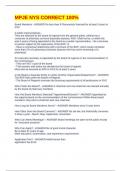
Question 1 Which one of the following alternatives is false?
Answer saved
Marked out of a. With a simultaneous liquidation, the liquidation
1.50
account (a pro t or loss on liquidation) is
Flag transferred to the partners' capital accounts in
question their pro t-sharing ratio.
MNG DSC Tutoring
b. A piecemeal liquidation will ensure that assets
are realised at the best possible selling price.
c. A simultaneous liquidation allows a partnership
to continue with activities until the liquidation of
all the assets is concluded.
d. With a simultaneous liquidation, a single
liquidation account is prepared.
e. A piecemeal liquidation allows a partnership to
continue with activities.
f. In the case of a piecemeal liquidation, a
liquidation account is prepared for each phase of
the liquidation process.
Clear my choice
Question 2 Which one of the following alternatives is correct
Answer saved regarding the revaluation surplus in a partnership when
Marked out of
there is a change in ownership?
1.50
Flag a. The revaluation surplus forms part of the equity
question of the partners and must allocated to the current
accounts of the existing partners in their existing
pro t-sharing ratio.
b. The revaluation surplus forms part of the equity
of the partners and must allocated to the capital
accounts of the existing partners in their new
pro t-sharing ratio.
c. The revaluation surplus forms part of the equity
of the partners and must allocated to the capital
accounts of the existing partners in their existing
pro t-sharing ratio.
d. The revaluation surplus forms part of the
liabilities of the partnership and must allocated
to reduce the capital accounts of the existing
partners in their existing pro t-sharing ratio.
e. The revaluation surplus forms part of the equity
of the partners and will always be added to the
current accounts of the existing partners with a
debit balance.
2. 2024
3. FAC1602-24-S1
4. Welcome Message
5. Assessment 2
Question 1 Which one of the following alternatives is false?
Answer saved
Marked out of a. With a simultaneous liquidation, the liquidation
1.50
account (a pro t or loss on liquidation) is
Flag transferred to the partners' capital accounts in
question their pro t-sharing ratio.
MNG DSC Tutoring
b. A piecemeal liquidation will ensure that assets
are realised at the best possible selling price.
c. A simultaneous liquidation allows a partnership
to continue with activities until the liquidation of
all the assets is concluded.
d. With a simultaneous liquidation, a single
liquidation account is prepared.
e. A piecemeal liquidation allows a partnership to
continue with activities.
f. In the case of a piecemeal liquidation, a
liquidation account is prepared for each phase of
the liquidation process.
Clear my choice
Question 2 Which one of the following alternatives is correct
Answer saved regarding the revaluation surplus in a partnership when
Marked out of
there is a change in ownership?
1.50
Flag a. The revaluation surplus forms part of the equity
question of the partners and must allocated to the current
accounts of the existing partners in their existing
pro t-sharing ratio.
b. The revaluation surplus forms part of the equity
of the partners and must allocated to the capital
accounts of the existing partners in their new
pro t-sharing ratio.
c. The revaluation surplus forms part of the equity
of the partners and must allocated to the capital
accounts of the existing partners in their existing
pro t-sharing ratio.
d. The revaluation surplus forms part of the
liabilities of the partnership and must allocated
to reduce the capital accounts of the existing
partners in their existing pro t-sharing ratio.
e. The revaluation surplus forms part of the equity
of the partners and will always be added to the
current accounts of the existing partners with a
debit balance.