STUDY UNIT 1
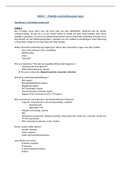
Criminal law is that certain field of law that relates to crimes
It forms part of substantive
N/B : Study unit 1 will also include certain laws that are intertwined with criminal
basic
Private law – It the part of law that regulates the relation between private
individuals.
Public law – It refers to the part of that deals with the state as the authoritative
power and the public as the legal subjects.
Substantive/Material law – Comprises of legal rules setting out the rights, duties and
obligations of the subjects of the state.
Formal/Procedural law – Comprises of rules setting out the procedures or methods
by which the rules of substantive law are enforced.
Law of evidence – A specific area of law that deals with the presentation of evidence
in court.
Criminal procedure – Rules setting out procedures and methods by which laws are
enforced in criminal cases.
Civil procedure – Rules setting out procedures and methods by which laws are
enforced in civil cases.
CRIMES AND DELICTS
Crime – Unlawful, blameworthy acts or omission that is punishable by the state.
Delict – Unlawful, blameworthy conduct that cause harm or damage to another
person.
DIFFERENCE BETWEEN CRIME AND DELICT
CRIME DELICT
Directed against public interest Directed against private interest
Public law Private law
State prosecutes Private party institutes claims
Imposition of sentence Ordered to pay damages
State decides Injured party decides
Criminal procedure Civil procedure
Sources of criminal law
Legislation
Criminal law is that certain field of law that relates to crimes
It forms part of substantive
N/B : Study unit 1 will also include certain laws that are intertwined with criminal
basic
Private law – It the part of law that regulates the relation between private
individuals.
Public law – It refers to the part of that deals with the state as the authoritative
power and the public as the legal subjects.
Substantive/Material law – Comprises of legal rules setting out the rights, duties and
obligations of the subjects of the state.
Formal/Procedural law – Comprises of rules setting out the procedures or methods
by which the rules of substantive law are enforced.
Law of evidence – A specific area of law that deals with the presentation of evidence
in court.
Criminal procedure – Rules setting out procedures and methods by which laws are
enforced in criminal cases.
Civil procedure – Rules setting out procedures and methods by which laws are
enforced in civil cases.
CRIMES AND DELICTS
Crime – Unlawful, blameworthy acts or omission that is punishable by the state.
Delict – Unlawful, blameworthy conduct that cause harm or damage to another
person.
DIFFERENCE BETWEEN CRIME AND DELICT
CRIME DELICT
Directed against public interest Directed against private interest
Public law Private law
State prosecutes Private party institutes claims
Imposition of sentence Ordered to pay damages
State decides Injured party decides
Criminal procedure Civil procedure
Sources of criminal law
Legislation