Human Resources Management IIA by ProfessorBurgerQueen
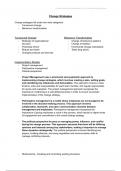
Change Strategies
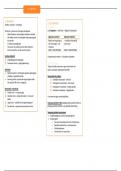
Change strategies fall under two main categories
- Turnaround change
- Behaviour transformation
Turnaround Change Behaviour Transformation
- Redesign of organisational - Change of behaviour patterns
structure - Change of tradition
- Financially driven - Incremental change (calculated)
- Robust and harsh - Takes long (slow)
- Changes products and services
Implementation Models
- Project management
- Participative management
- Political perspective
- Project Management uses a structured and systematic approach to
implementing change strategies, which involves creating a plan, setting goals,
and identifying key milestones and deliverables. This approach involves a clear
timeline, roles and responsibilities for each team member, and regular opportunities
for review and evaluation. The project management approach recognizes the
importance of adhering to a well-defined process in order to ensure successful
implementation of the change strategy.
- Participative management is a model where employees are encouraged to be
involved in the decision-making process. This approach involves
collaboration, teamwork, and open communication channels between
management and employees. Participative management recognizes the
importance of giving employees a voice in the process, which results in higher levels
of engagement and commitment to the overall change strategy.
- The political perspective focuses on managing power, influence, and conflict
during the change process. This approach assumes that there will be differing
opinions and interests among key stakeholders, making it important to manage
these dynamics strategically. The political perspective involves identifying key
players, building alliances, and using negotiation and communication skills to
manage conflicting interests.
- Restructuring - breaking and recombing existing structures
Change Strategies
Change strategies fall under two main categories
- Turnaround change
- Behaviour transformation
Turnaround Change Behaviour Transformation
- Redesign of organisational - Change of behaviour patterns
structure - Change of tradition
- Financially driven - Incremental change (calculated)
- Robust and harsh - Takes long (slow)
- Changes products and services
Implementation Models
- Project management
- Participative management
- Political perspective
- Project Management uses a structured and systematic approach to
implementing change strategies, which involves creating a plan, setting goals,
and identifying key milestones and deliverables. This approach involves a clear
timeline, roles and responsibilities for each team member, and regular opportunities
for review and evaluation. The project management approach recognizes the
importance of adhering to a well-defined process in order to ensure successful
implementation of the change strategy.
- Participative management is a model where employees are encouraged to be
involved in the decision-making process. This approach involves
collaboration, teamwork, and open communication channels between
management and employees. Participative management recognizes the
importance of giving employees a voice in the process, which results in higher levels
of engagement and commitment to the overall change strategy.
- The political perspective focuses on managing power, influence, and conflict
during the change process. This approach assumes that there will be differing
opinions and interests among key stakeholders, making it important to manage
these dynamics strategically. The political perspective involves identifying key
players, building alliances, and using negotiation and communication skills to
manage conflicting interests.
- Restructuring - breaking and recombing existing structures