1.5.4 Nutrient cycles
All nutrient cycles tend to have the same basic structure
Microorganisms play a vital role in recycling chemcial elements such as phosphorus and nitrogen
- Some are specific to certain nutrients eg nitrogen fixing bacteria in the nitrogen cycle
- Certain type of microorganisms are involved in many nutrient cycles: saprobionts and
mycorrhizal fungi
The role of saprobionts in decomposition
- Bacteria and fungi that feed saprobiotically/saprotrophically (same thing)
- Sapropbiotic nutrition involves decomposers secreting extracellular enzymes onto organic
matter, digesting it by hydrolysing bonds. The product of nutrition are then absorbed.
With respect to decomposition in the nitrogen cycle, saprobionts:
1. Hydrolyse peptide bonds in proteins to form amino acids
2. Carry out the process of ammonification whereby amino acids are deaminated (NH2 groups
removed) to form ammonium compounds which are related into soil
With respect to decomposition in phosphorus cycle, saprobionts:
- Hydrolyse phosophodiester bonds in DNA/RNA to form ammonium compounds and
phosphate ions
The role of mycorrhizae in facilitating the uptake of water and inorganic ions by plants
- Fungi made of very thin strands called hyphae
- Underground, these thin hyphae are organised into larger structures called mycelium
- Increase surface area for absorption
, Plant roots can absorb water by osmosis, and mineral ions (phosphates and nitrates) by active
transport
HOWEVER in addition to this mechanism, many plants also form a SYMBIOTIC RELATIONSHIP with
fungi whereby hyphae integrate into plant roots – this relationship is called mycorrhizae
The plant and the fungus exchange nutrients in a mutually beneficial way:
1. Fungus usually provides inorganic ions (phosphates/nitrates) and water that has been
absorbed from the environment
2. The plant usually provides carbohydrates (produced by photosynthesis) to the fungus
Nutrients
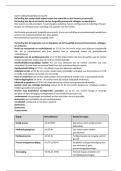
Green and red strands represent hyphae are
recycled
with
natural ecosystems, exemplified by the nitrogen and phosphorus cycle
All nutrient cycles tend to have the same basic structure
Microorganisms play a vital role in recycling chemcial elements such as phosphorus and nitrogen
- Some are specific to certain nutrients eg nitrogen fixing bacteria in the nitrogen cycle
- Certain type of microorganisms are involved in many nutrient cycles: saprobionts and
mycorrhizal fungi
The role of saprobionts in decomposition
- Bacteria and fungi that feed saprobiotically/saprotrophically (same thing)
- Sapropbiotic nutrition involves decomposers secreting extracellular enzymes onto organic
matter, digesting it by hydrolysing bonds. The product of nutrition are then absorbed.
With respect to decomposition in the nitrogen cycle, saprobionts:
1. Hydrolyse peptide bonds in proteins to form amino acids
2. Carry out the process of ammonification whereby amino acids are deaminated (NH2 groups
removed) to form ammonium compounds which are related into soil
With respect to decomposition in phosphorus cycle, saprobionts:
- Hydrolyse phosophodiester bonds in DNA/RNA to form ammonium compounds and
phosphate ions
The role of mycorrhizae in facilitating the uptake of water and inorganic ions by plants
- Fungi made of very thin strands called hyphae
- Underground, these thin hyphae are organised into larger structures called mycelium
- Increase surface area for absorption
, Plant roots can absorb water by osmosis, and mineral ions (phosphates and nitrates) by active
transport
HOWEVER in addition to this mechanism, many plants also form a SYMBIOTIC RELATIONSHIP with
fungi whereby hyphae integrate into plant roots – this relationship is called mycorrhizae
The plant and the fungus exchange nutrients in a mutually beneficial way:
1. Fungus usually provides inorganic ions (phosphates/nitrates) and water that has been
absorbed from the environment
2. The plant usually provides carbohydrates (produced by photosynthesis) to the fungus
Nutrients
Green and red strands represent hyphae are
recycled
with
natural ecosystems, exemplified by the nitrogen and phosphorus cycle