Intended learning outcomes (ILOs)
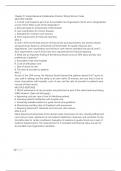
• List the six fungal phyla
• Identify and differentiate between the fungal phyla
• Discuss and explain the life cycles of each fungal phyla
• Discuss and compare different types of mycorrhizae
• Discuss the interaction between plants/AMs/Rhizobia
• Discuss the impact and importance of specific members of the fungal phyla
• Define the terms chemotaxis, secondary metabolite, AMF, ECM, Obligate symbiont, Alteration of
generations, Phototrophy, HGT, Probiotic
Ascomycota
→ The Sac fungi
→ The Ascomycota are the largest fungal phylum and form part of the subkingdom Dikarya.
→ They are known as the sac (or cup) fungi as their sexual spores (ascospores) are held in a sac/cup like
structure (ascus).
→ With over 33 000 identified species, the Ascomycota are morphologically diverse and a found in most
environmental habitats.
Example of a famous ascomycete – Claviceps purpurea
⤷ Claviceps purpurea is an ascomycete plant pathogen with a very broad host range (400 grass species
including rye).
⤷ The pathogen produces a toxic alkaloid (Ergine) within the ergot.
⤷ Ergine is a lysergic acid amide which is mildly psychedelic and is considered to be addictive.
TJW Notes
, The Salem witch trials
⤷ The Salem witch trials were a series of hearings and prosecutions of people accused of witchcraft in
colonial Massachusetts between February 1692 and May 1693.
⤷ More than two hundred people were accused.
⤷ Thirty were found guilty, nineteen of whom were executed by hanging (fourteen women and five men).
⤷ One other man, Giles Corey, was pressed to death for refusing to plead, and at least five people died in
jail.
⤷ Scientists have suggested that the cause of the convulsive symptoms experienced by the teenage girls
may have been a result if ergot poisoning, however, the hypothesis that ergotism could explain cases of
bewitchment has been subject to debate.
Basidiomycota
→ The club fungi
→ The Basidiomycota are the most easily recognized fungal phyla, due to the production of their visible
fruiting bodies – the mushrooms.
→ Like the Ascomycota they form part of the subkingdom Dikarya.
→ They are known at the club fungi as their sexual spores (basidiospores) are produced on club like
structures (basidia).
→ The basidia are located on the basidiocarps (fruiting bodies).
→ With 33 000 identified species, the Basidiomycota are morphologically diverse, however they are
generally restricted to terrestrial habitats.
→ Many form symbiotic relationships with various plant species (ectomycorrhizal fungi).
Example of a famous basidiomycete – Psilocybe semilanceata
⤷ Psilocybe is commonly known as the cap mushroom or more broadly as a magic mushroom.
⤷ Members of this genus produce the psychedelic compound psilocybin.
⤷ Psilocybin is a secondary metabolite (produced during the stationary growth phase) that is proposed to
ward off various predators.
⤷ After ingestions psilocybin is converted psilocin.
⤷ Psilocin is an agonist for several serotonin receptors stimulating cross-talk between different areas of the
brain.
⤷ Users perceive an increased connection to others, nature and universes after ingesting the drug.
⤷ Researchers are currently investigating the potential use of psilocin as a treatment for depression and
other addiction disorders.
TJW Notes
• List the six fungal phyla
• Identify and differentiate between the fungal phyla
• Discuss and explain the life cycles of each fungal phyla
• Discuss and compare different types of mycorrhizae
• Discuss the interaction between plants/AMs/Rhizobia
• Discuss the impact and importance of specific members of the fungal phyla
• Define the terms chemotaxis, secondary metabolite, AMF, ECM, Obligate symbiont, Alteration of
generations, Phototrophy, HGT, Probiotic
Ascomycota
→ The Sac fungi
→ The Ascomycota are the largest fungal phylum and form part of the subkingdom Dikarya.
→ They are known as the sac (or cup) fungi as their sexual spores (ascospores) are held in a sac/cup like
structure (ascus).
→ With over 33 000 identified species, the Ascomycota are morphologically diverse and a found in most
environmental habitats.
Example of a famous ascomycete – Claviceps purpurea
⤷ Claviceps purpurea is an ascomycete plant pathogen with a very broad host range (400 grass species
including rye).
⤷ The pathogen produces a toxic alkaloid (Ergine) within the ergot.
⤷ Ergine is a lysergic acid amide which is mildly psychedelic and is considered to be addictive.
TJW Notes
, The Salem witch trials
⤷ The Salem witch trials were a series of hearings and prosecutions of people accused of witchcraft in
colonial Massachusetts between February 1692 and May 1693.
⤷ More than two hundred people were accused.
⤷ Thirty were found guilty, nineteen of whom were executed by hanging (fourteen women and five men).
⤷ One other man, Giles Corey, was pressed to death for refusing to plead, and at least five people died in
jail.
⤷ Scientists have suggested that the cause of the convulsive symptoms experienced by the teenage girls
may have been a result if ergot poisoning, however, the hypothesis that ergotism could explain cases of
bewitchment has been subject to debate.
Basidiomycota
→ The club fungi
→ The Basidiomycota are the most easily recognized fungal phyla, due to the production of their visible
fruiting bodies – the mushrooms.
→ Like the Ascomycota they form part of the subkingdom Dikarya.
→ They are known at the club fungi as their sexual spores (basidiospores) are produced on club like
structures (basidia).
→ The basidia are located on the basidiocarps (fruiting bodies).
→ With 33 000 identified species, the Basidiomycota are morphologically diverse, however they are
generally restricted to terrestrial habitats.
→ Many form symbiotic relationships with various plant species (ectomycorrhizal fungi).
Example of a famous basidiomycete – Psilocybe semilanceata
⤷ Psilocybe is commonly known as the cap mushroom or more broadly as a magic mushroom.
⤷ Members of this genus produce the psychedelic compound psilocybin.
⤷ Psilocybin is a secondary metabolite (produced during the stationary growth phase) that is proposed to
ward off various predators.
⤷ After ingestions psilocybin is converted psilocin.
⤷ Psilocin is an agonist for several serotonin receptors stimulating cross-talk between different areas of the
brain.
⤷ Users perceive an increased connection to others, nature and universes after ingesting the drug.
⤷ Researchers are currently investigating the potential use of psilocin as a treatment for depression and
other addiction disorders.
TJW Notes