GEOGRAPHY:
CLIMATE AND
WEATHER
By Mokgadi Seema
@STUDYNOTESBYM
[Type here] [Type here] [Type here]
,CLIMATE AND WEATHER
1. MID-LATITUDES
2. TROPICAL CYCLONES
3. ANTICYCLONES
4. TRAVELLING DISTURBANCES ASSOCIATED THAT AFFECT
SOUTH AFRICA’S WEATHER
5. VALLEY CLIMATES
6. URBAN CLIMATES
@STUDYNOTESBYM
, MID-LATITUDE CYCLONES
WHAT ARE MID-LATITUDE CYCLONES
• Mid-latitude cyclones are low pressure cells containing a cold and warm front,
bringing winter rainfall in the Western Cape
• Fronts are boundaries between two different air masses with different
temperatures and moisture
• Different air masses do not mix
OTHER NAMES
• Temperate cyclones
• Extra tropical cyclones
• Temperate depressions
• Frontal depressions
• Frontal cyclone
GENERAL CHARACTERISTICS
• Low pressure system
• Form at the polar fronts
• Move west to east
• Speed of movement = 30-50km/h
• Life span= 4-14 days
• Diameter of system up to 3000km
• Occur in families
• Oval shaped isobars
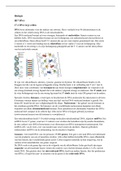
AREA OF FORMATION
• Form at the polar fronts
between 40 degrees and 60
degrees
• Within westerly wind belt
• Move west to east (eastwards)
and carried by westerly winds
• Move towards equator but owing
to stronger and faster cold front,
change direction and move back
SA Geography towards poles
@STUDYNOTESBYM
, POSITION OF MID-LATITUDE CYCLONES IN RELATION TO SOUTH
AFRICA
Winter:
• ITCZ shifts north
• Pressure belts and polar front
boundary pulled north
• Mid-latitude cyclone close to South
Africa (closer to 40 degrees south)
• Western Cape experiences cold
front and related weather conditions
Summer:
• ITCZ shifts south
• Pressure belts and polar front
boundary pushed south
• Mid-latitude cyclone too far south of
south Africa for weather conditions
to be experienced (closer to 60
degrees south)
Therefore,
• Mid-latitude cyclones form all year round but are only experienced in the winter
season in South Africa when the ITCZ shifts north and pulls the pressure belts
northwards
@STUDYNOTESBYM
CLIMATE AND
WEATHER
By Mokgadi Seema
@STUDYNOTESBYM
[Type here] [Type here] [Type here]
,CLIMATE AND WEATHER
1. MID-LATITUDES
2. TROPICAL CYCLONES
3. ANTICYCLONES
4. TRAVELLING DISTURBANCES ASSOCIATED THAT AFFECT
SOUTH AFRICA’S WEATHER
5. VALLEY CLIMATES
6. URBAN CLIMATES
@STUDYNOTESBYM
, MID-LATITUDE CYCLONES
WHAT ARE MID-LATITUDE CYCLONES
• Mid-latitude cyclones are low pressure cells containing a cold and warm front,
bringing winter rainfall in the Western Cape
• Fronts are boundaries between two different air masses with different
temperatures and moisture
• Different air masses do not mix
OTHER NAMES
• Temperate cyclones
• Extra tropical cyclones
• Temperate depressions
• Frontal depressions
• Frontal cyclone
GENERAL CHARACTERISTICS
• Low pressure system
• Form at the polar fronts
• Move west to east
• Speed of movement = 30-50km/h
• Life span= 4-14 days
• Diameter of system up to 3000km
• Occur in families
• Oval shaped isobars
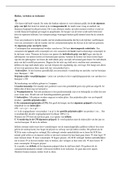
AREA OF FORMATION
• Form at the polar fronts
between 40 degrees and 60
degrees
• Within westerly wind belt
• Move west to east (eastwards)
and carried by westerly winds
• Move towards equator but owing
to stronger and faster cold front,
change direction and move back
SA Geography towards poles
@STUDYNOTESBYM
, POSITION OF MID-LATITUDE CYCLONES IN RELATION TO SOUTH
AFRICA
Winter:
• ITCZ shifts north
• Pressure belts and polar front
boundary pulled north
• Mid-latitude cyclone close to South
Africa (closer to 40 degrees south)
• Western Cape experiences cold
front and related weather conditions
Summer:
• ITCZ shifts south
• Pressure belts and polar front
boundary pushed south
• Mid-latitude cyclone too far south of
south Africa for weather conditions
to be experienced (closer to 60
degrees south)
Therefore,
• Mid-latitude cyclones form all year round but are only experienced in the winter
season in South Africa when the ITCZ shifts north and pulls the pressure belts
northwards
@STUDYNOTESBYM